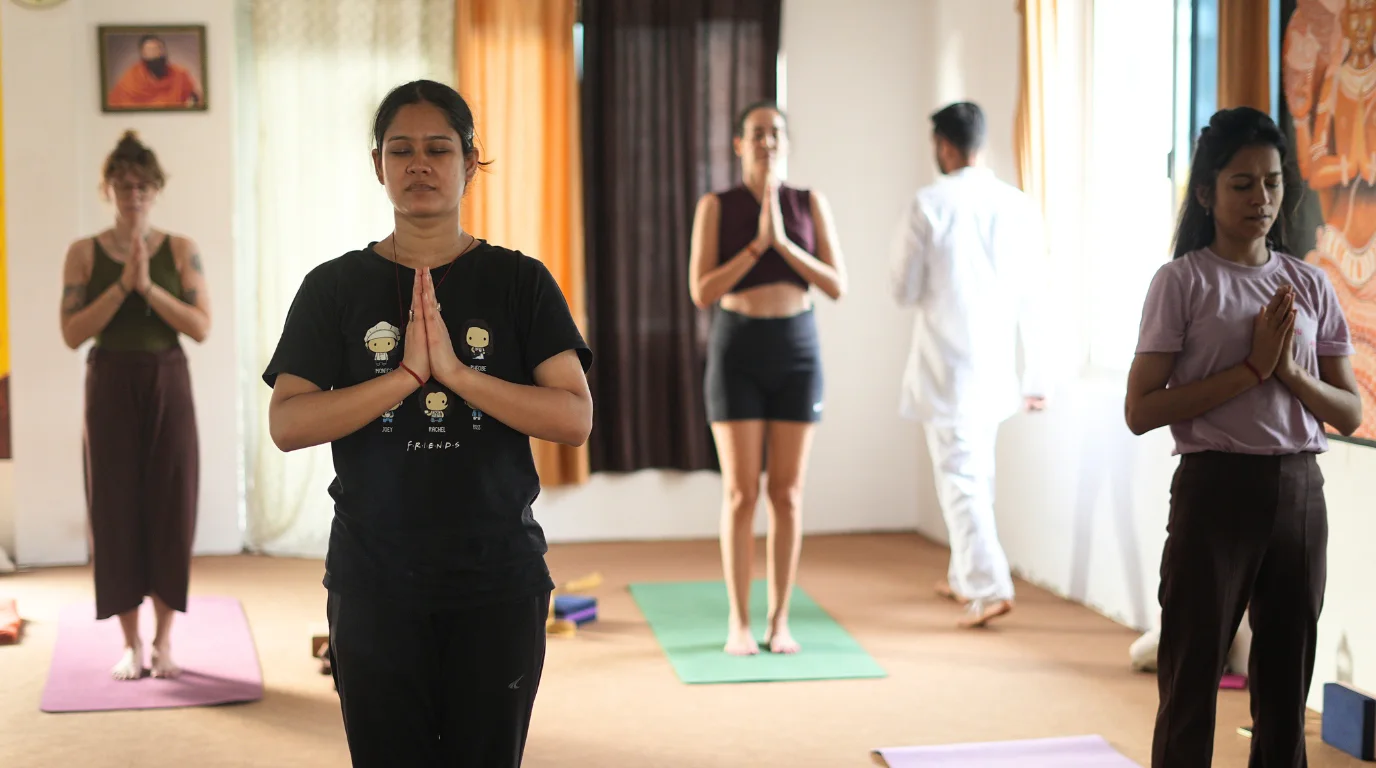
One of the most honest questions you can ask yourself before enrolling isn’t,
“Which yoga school should I choose?”
It’s something much more personal.
“Am I actually ready?”
Most people imagine readiness looks like confidence.
They picture someone who has practiced yoga for years, remembers the names of every posture, wakes up early without effort, and never doubts their decision.
Real life is usually very different.
Some students arrive after years of consistent practice.
Others have only recently discovered yoga.
Some book their course months in advance.
Others decide only a few weeks before travelling.
Despite those differences, many of them carry the same quiet uncertainty.
“What if I start too soon?”
“What if I’m not experienced enough?”
“What if everyone else is ahead of me?”

Those questions don’t necessarily mean you’re unprepared.
Sometimes they simply mean you’re about to do something important.
This guide isn’t here to convince you to join.
It’s here to help you recognise whether this feels like the right step for you at this stage of your life.
Readiness Doesn't Mean Having All the Answers
There’s a common misconception that you should feel completely certain before beginning a yoga teacher training.
In reality, very few students do.
Readiness isn’t the absence of doubt.
It’s the willingness to move forward even while some questions remain unanswered.
Think back to other meaningful moments in life.
Starting a new job.
Moving to a different city.
Beginning a university course.
Few people feel perfectly prepared beforehand.
Confidence often develops through experience rather than before it.
Yoga teacher training is much the same.
You're Curious About More Than Just the Physical Practice
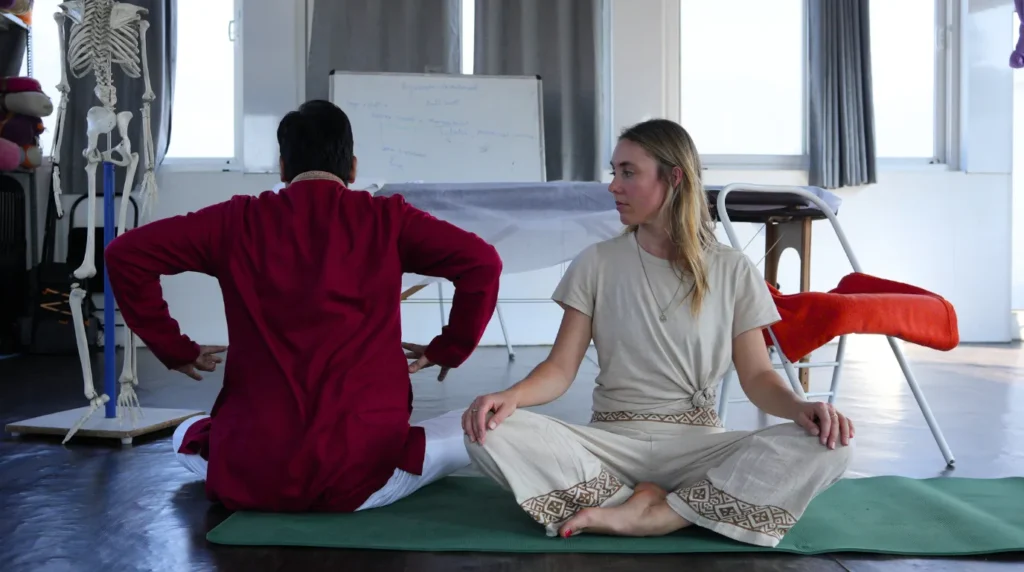
Many people begin yoga because they enjoy moving their bodies.
Over time, something changes.
They begin asking different questions.
Why does breathing affect how I feel?
What do yoga philosophy and meditation actually teach?
How can I practise safely rather than simply deeply?
What makes one teacher easier to learn from than another?
If you’ve started asking questions like these, you’re already moving beyond exercise and towards education.
That curiosity is often one of the strongest indicators that you’re ready to learn more.
You're Willing to Be a Beginner Again
Teacher training has an interesting way of placing everyone on equal ground.
It doesn’t matter what your profession is.
You may be a business owner.
A nurse.
A designer.
A parent.
An athlete.
Inside the classroom, everyone becomes a student.
That requires humility.
Students who embrace that role often progress steadily because they aren’t trying to protect their image.
They’re focused on learning.
Being comfortable saying,
“I don’t know yet.”
is one of the healthiest places from which to begin.
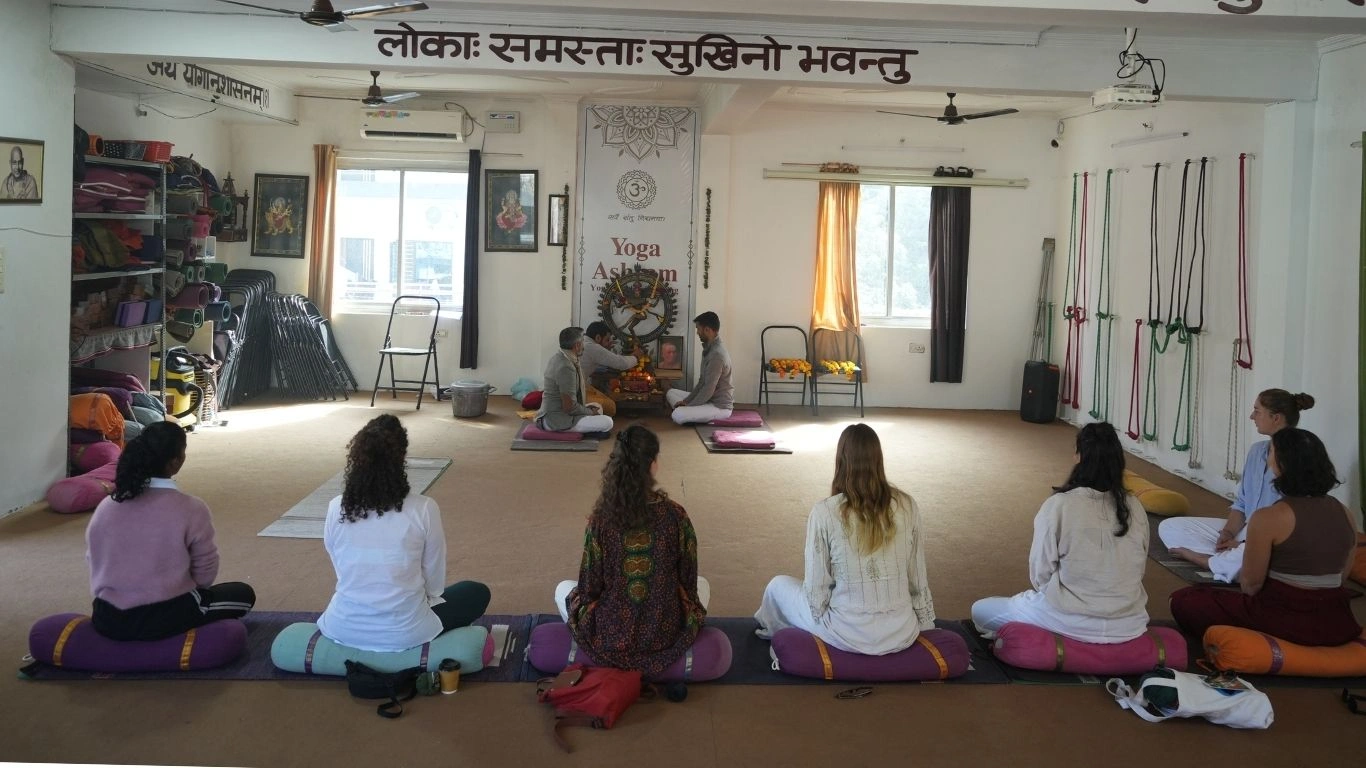
From the Yoga Hall
During introductions, one question often makes people pause.
“Why are you here?”
Some students answer immediately.
Others take a little longer.
Not because they don’t have a reason.
Because putting that reason into words isn’t always easy.
One person talks about wanting to teach.
Another mentions recovering from burnout.
Someone else simply says,
“I’ve been thinking about this for years, and it finally felt like the right time.”
There’s no single answer that defines readiness.
The common thread is sincerity.
Students who know why they’re there even if that reason is deeply personal often find it easier to stay committed when the course becomes challenging.
You Can Make Space in Your Life to Learn
A yoga teacher training asks for more than your attendance.
It asks for your attention.
You’ll be practising, studying, reflecting, and absorbing new ideas over several weeks.
If your mind is constantly pulled toward unfinished work, urgent responsibilities, or major life transitions, you may find it difficult to be fully present.
Sometimes readiness isn’t about experience.
Sometimes it’s about creating enough space to learn well.
You're Looking for Growth, Not Perfection
Students who thrive in teacher training rarely arrive believing they’re already good enough.
Instead, they arrive believing they can improve.
That difference matters.
When growth becomes your goal, mistakes become part of learning instead of something to avoid.
Corrections become opportunities.
Feedback becomes valuable.
Every class becomes another chance to understand yoga more deeply.
Sometimes the Right Decision Is to Wait
This may sound surprising on a yoga school’s website, but not everyone should enroll immediately.
There are seasons in life when waiting is the wiser choice.
Perhaps you’re recovering from a significant injury and your healthcare professional has advised you to limit physical activity.
Perhaps you’re in the middle of a major life transition that would make it difficult to focus on learning.
Or maybe you’re choosing a course simply because you feel pressure after seeing other people do it.
None of those situations mean you’ll never be ready.
They simply mean that the timing may not be ideal.
One of the principles of yoga is awareness.
Sometimes awareness means recognizing that patience is the healthiest decision.
Joining a course when you can be fully present often creates a much richer experience than rushing because you feel you might miss an opportunity.
Fear and Intuition Are Not the Same Thing
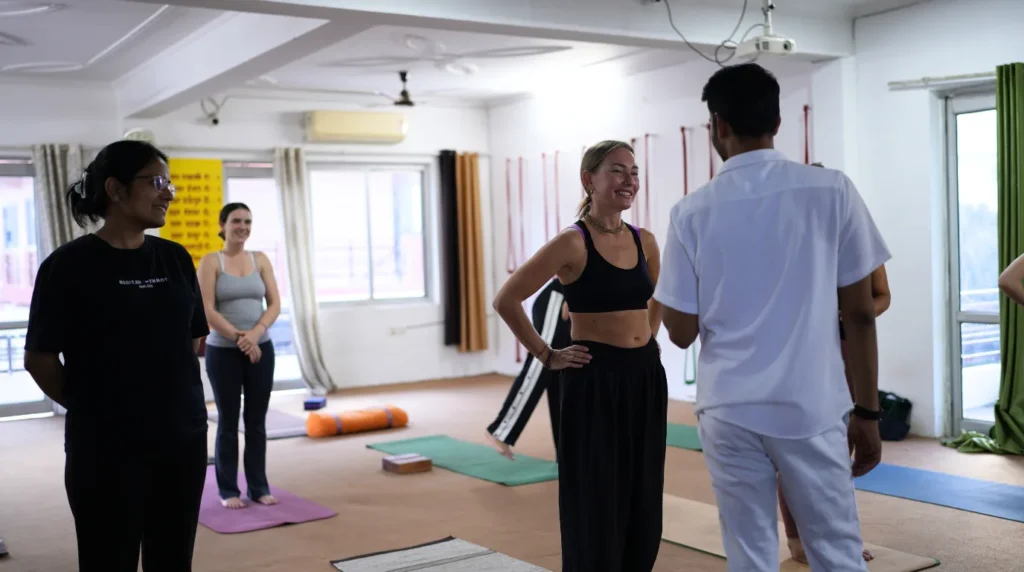
Many students tell themselves,
“Maybe I’m not ready.”
But if you look a little closer, that sentence can mean two very different things.
Sometimes it’s intuition.
Sometimes it’s fear.
Fear usually asks questions like:
“What if I fail?”
“What if everyone else is better?”
“What if I embarrass myself?”
Those thoughts are common whenever we step into something unfamiliar.
Intuition feels different.
It quietly reminds you of practical realities.
“I need a little more time to recover.”
“I should save enough money so I can enjoy the experience without financial stress.”
“I want to finish an important commitment before I leave.”
Fear often imagines unlikely outcomes.
Intuition usually points toward practical preparation.
Learning to tell the difference is a valuable skill—not only before yoga teacher training, but throughout life.
You Don't Need to Change Who You Are Before You Arrive
One misconception appears again and again.
People believe they must become the “ideal yoga student” before they enroll.
They promise themselves they’ll become more flexible.
Wake up earlier.
Meditate every day.
Eat perfectly.
Memorize Sanskrit names.
Then they’ll apply.
The truth is, teacher training exists to help you learn those habits.
It isn’t a graduation ceremony for people who already have them.
Arrive willing to learn.
Not pretending you’ve already learned everything.
From the Yoga Hall
There’s a moment that many teachers quietly recognize.
It usually happens on the evening before the course begins.
Students gather for orientation.
Some smile confidently.
Others speak very little.
A few keep checking the schedule as if reading it one more time will make tomorrow feel less uncertain.
Then someone asks a simple question.
“Is anyone else nervous?”
Almost every hand goes up.
The room laughs.
In that instant, something changes.
People stop feeling like strangers.
They realize uncertainty isn’t something they’re experiencing alone.
It’s something they’re sharing together.
Simple Ways to Prepare Before You Arrive
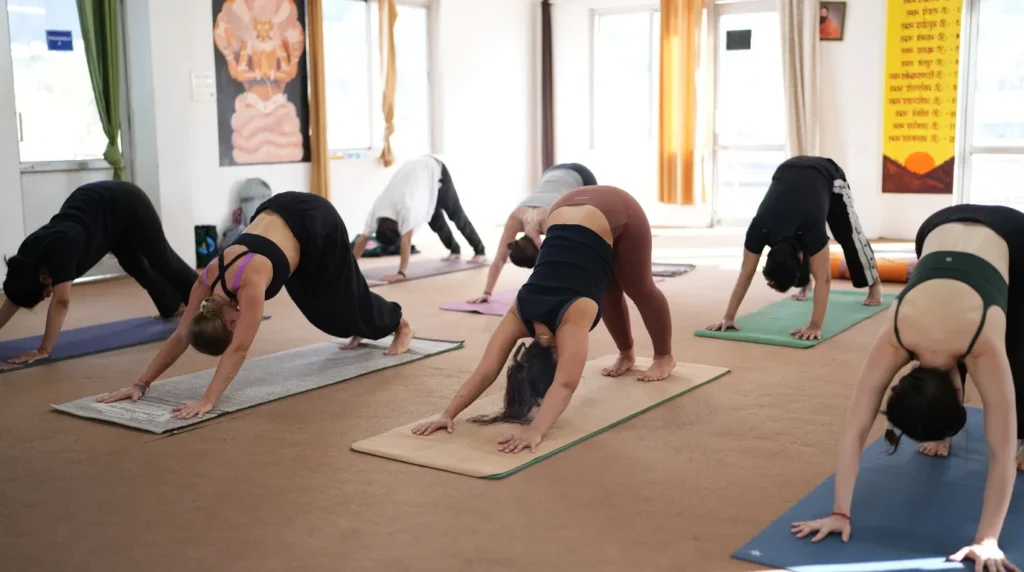
Preparing for a teacher training doesn’t require an extreme lifestyle change.
Small, consistent habits usually make the biggest difference.
Practice Regularly
If possible, establish a steady routine before your course begins.
Even three or four thoughtful practice sessions each week help your body adapt to daily movement.
Consistency matters more than intensity.
Improve Your Sleep Schedule
Many courses begin early in the morning.
Gradually shifting your bedtime and wake-up time before travelling can make those first few days much easier.
Learn With Curiosity
You don’t need to memorize every posture or philosophy text.
But reading a beginner-friendly book on yoga, exploring the history of yoga, or learning basic Sanskrit pronunciation can help you feel more comfortable during the first week.
Think of it as building familiarity—not trying to master the subject.
Take Care of Practical Details
A calm mind begins with good preparation.
Before you travel:
- Confirm your accommodation details.
- Check visa and passport requirements if you’re travelling internationally.
- Pack comfortable clothing suitable for daily practice.
- Bring a notebook for class.
- Read the school’s welcome information carefully.
The fewer logistical worries you have, the easier it becomes to focus on learning.
A Personal Readiness Checklist
Instead of asking whether you’re perfect, ask yourself these questions.
- Am I genuinely interested in learning yoga beyond physical postures?
- Can I dedicate my attention to the course for its full duration?
- Am I willing to receive feedback and make mistakes?
- Am I joining because it feels meaningful to me—not because someone else expects me to?
- Can I approach this experience with curiosity rather than comparison?
You don’t need to answer “yes” to every question without hesitation.
But if most of these resonate with you, you’re probably more prepared than you think.
The Myth of the "Perfect Time"
It’s tempting to believe that one day everything will line up perfectly.
You’ll have unlimited confidence.
The perfect budget.
The perfect level of flexibility.
The perfect schedule.
For most people, that day never arrives.
Life continues to evolve.
Responsibilities change.
New opportunities appear.
The students who often benefit most aren’t the ones who waited until every uncertainty disappeared.
They’re the ones who prepared thoughtfully and accepted that some uncertainty is simply part of beginning something meaningful.
So... How Do You Know You're Ready?
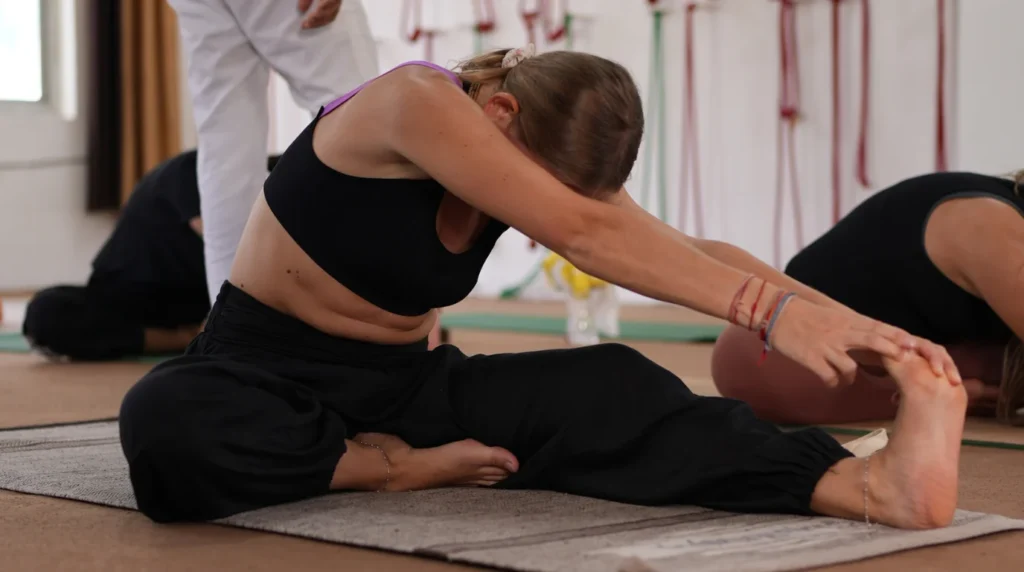
Perhaps the better question is this:
Are you ready to learn?
Not to perform perfectly.
Not to impress anyone.
Not to transform your life overnight.
Simply to learn.
To ask questions.
To explore unfamiliar ideas.
To challenge old habits.
To discover what yoga means beyond the poses you’ve already practiced.
If your answer is yes, then you already possess one of the most valuable qualities any student can bring into a yoga teacher training.
An open mind.
Everything else can be developed through practice
Frequently Asked Questions
Do I need several years of yoga experience before joining?
No. Many students begin with relatively little experience. A well-structured 200-hour course is designed to build strong foundations while supporting students with different backgrounds.
Is it normal to feel nervous before arriving?
Very much so. Feeling nervous usually reflects the fact that you’re about to do something new and meaningful. Many students discover those feelings settle quickly once the course begins and they connect with their classmates.
Should I wait until I'm more flexible?
Flexibility develops through regular practice. While it may improve during your training, it isn’t a prerequisite for joining.
What if I'm changing careers?
Many students begin yoga teacher training while considering a career transition. The important question isn’t whether your career is changing, but whether you can commit your time and attention to the learning process.
How can I prepare mentally?
Approach the experience with curiosity rather than pressure. Accept that you’ll make mistakes, ask questions, and grow gradually. That mindset often leads to a more rewarding experience than trying to be perfect from the beginning.
Final Thoughts
There isn’t a universal checklist that tells you exactly when you’re ready for a 200 Hour Yoga Teacher Training.
There isn’t a specific level of flexibility you must reach.
There isn’t a number of years you need to practice.
And there certainly isn’t a moment when every doubt disappears.
Readiness often looks much simpler than people imagine.
It looks like curiosity.
Commitment.
Humility.
A willingness to learn.
If you’re waiting because you’re afraid of not being good enough, remember this:
Many graduates who now teach confidently once stood exactly where you are today—wondering whether they belonged in the classroom.
They didn’t become ready because they had all the answers.
They became ready because they decided to begin.