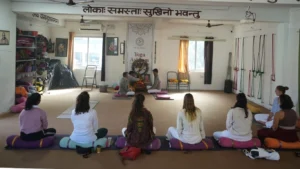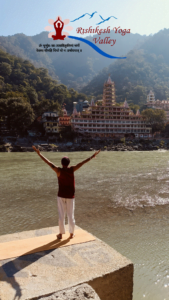

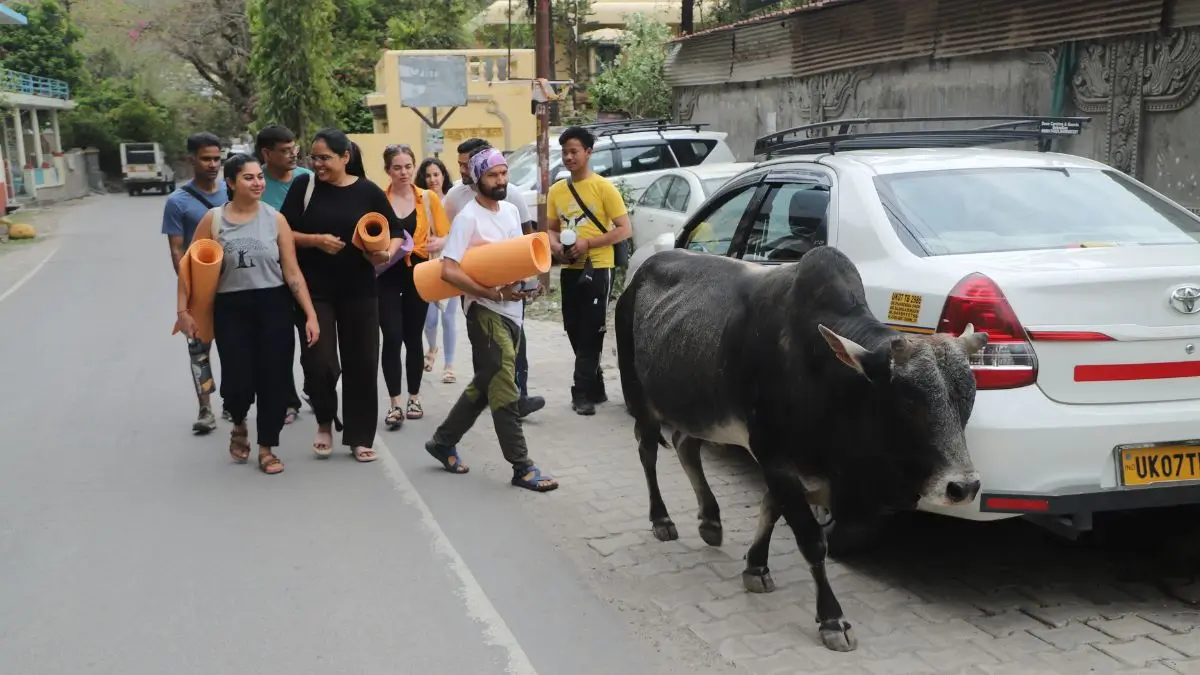
Rishikesh, Uttarakhand blends spiritual serenity, Himalayan adventure, and a genuinely vibrant cultural scene – and it’s where my own journey began. I still wake up grateful for this place: sunrise over the Ganges, temple bells mixing with birdsong, and the energy of yogis and adventurers who’ve come here from every corner of the globe.
What makes Rishikesh special?
It’s the gateway to the Himalayas and the world’s yoga capital, a town where spirituality, nature, and adventure sit side by side rather than competing. Whether you’ve come for inner peace, an adrenaline hit, or a real taste of Indian culture, this guide covers what to expect.
Key Takeaways
- Rishikesh is known globally as the Yoga Capital of the World
- Offers both deep spiritual experiences and serious adventure sports
- Best time to visit is October to April
- Well suited to solo travelers, yoga seekers, and nature lovers
- A budget-friendly destination with stay options at every price point
Quick Facts About Rishikesh
- Location: Rishikesh, Uttarakhand, India
- Famous for: Yoga, spirituality, adventure sports
- Nickname: Yoga Capital of the World
- River: Holy Ganges (Ganga)
- Best months to visit: October–April
- Nearest airport: Jolly Grant Airport (Dehradun)
- Elevation: ~372 metres above sea level
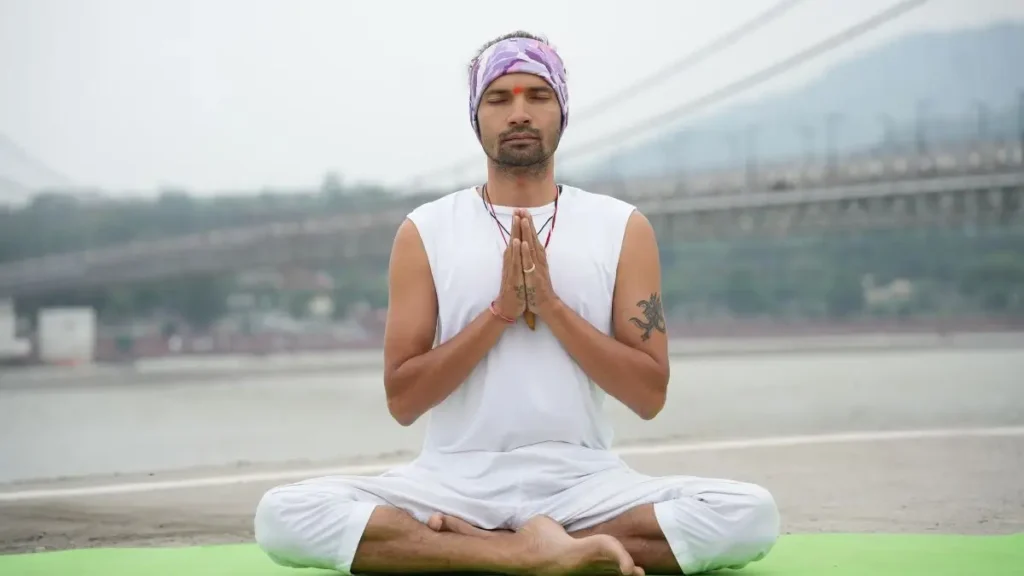
”I’m Kamal Negi, born and raised right here in Rishikesh – everything in this guide comes from a lifetime of actually living in this town, not a weekend visit.”
Why You Should Visit Rishikesh
- Learn yoga and meditation from teachers trained in the tradition, not just a studio franchise
- Stand at the edge of the Ganges in a town built entirely around it
- Raft real whitewater or trek into the Himalayan foothills the same afternoon
- Slow down somewhere the pace of life genuinely supports it
- Meet other travelers who came here for the same reasons you did
Why Is Rishikesh Famous?
Rishikesh is known globally as the Yoga Capital of the World, a sacred pilgrimage site on the Ganges, and a major hub for adventure sports like whitewater rafting. Its spiritual atmosphere, historic temples, and connection to The Beatles all feed into that reputation.
Yoga Capital of the World — Rishikesh draws yoga seekers and teachers from every continent, hosts international yoga festivals, and is home to hundreds of ashrams and yoga schools.
Spiritual Significance — The town sits directly on the Ganges, framed by the Shivalik Himalayas, dotted with temples and ashrams going back centuries. According to local tradition, the name “Hrishikesh” comes from the deity Vishnu appearing here after sage Raibhya’s penance.
The Beatles Connection — In 1968, The Beatles stayed at Maharishi Mahesh Yogi’s ashram here, and that visit put Rishikesh’s spiritual scene on the global map in a way nothing before it had.
Adventure Hub — Known as the Adventure Capital of India, Rishikesh offers whitewater rafting, bungee jumping, trekking, and more, drawing thrill-seekers alongside the spiritual crowd.
Best Time to Visit Rishikesh
October to February is peak season — cool, clear weather (6°C–20°C) that suits sightseeing, yoga retreats, and festivals. March to May brings rising heat but is prime time for rafting and trekking, with mornings and evenings still comfortable. Monsoon (June–September) turns the hills lush and green, but heavy rain pauses river-based activities and can disrupt outdoor plans.
Seasonal highlights worth planning around:
- International Yoga Festival — held every March, drawing yogis from around the world
- Sawan celebrations — during monsoon, with special temple rituals
- Ganga Aarti — held year-round at Triveni Ghat, most striking during festival season
For the full month-by-month breakdown — exact temperature ranges, rainfall, and what to pack — see our complete Rishikesh Weather Guide.
Top Places to Visit in Rishikesh
- Lakshman Jhula and Ram Jhula
- Triveni Ghat
- Neelkanth Mahadev Temple
- Beatles Ashram
- Parmarth Niketan Ashram
- Neer Garh Waterfall
Top Things to Do in Rishikesh
Spiritual Experiences
Rishikesh is closely tied to two deities — Lord Shiva, worshipped at the iconic Neelkanth Mahadev Temple, and Lord Vishnu, believed to have appeared here as Hrishikesh. Temples to both are scattered throughout the town.
- Triveni Ghat Aarti — the daily sunset Ganga Aarti is a genuinely striking ritual of lamps, chants, and devotion. Arrive by 6:00 PM for a good spot.
- Parmarth Niketan Ashram — the largest ashram in Rishikesh, offering yoga, meditation, and spiritual talks.
- Neelkanth Mahadev Temple — a scenic 12 km trek through dense forest leads to this revered Shiva temple.
- Beatles Ashram (Maharishi Mahesh Yogi Ashram) — graffiti-covered ruins and meditation cells where The Beatles wrote much of the White Album.
Adventure Activities
- White Water Rafting — the most popular activity, with rapids from Grade I to IV. Best season: September to June (monsoon pauses it).
- Bungee Jumping — one of India’s highest bungee jumps (~83 metres), for the adrenaline-seekers.
- Cliff Jumping & Kayaking — quick thrills, right on the Ganges.
- Trekking — trails to Kunjapuri Temple and Neer Garh Waterfall offer genuinely panoramic views.
- Camping — riverside camps let you sleep under the stars with the river as background noise.
Iconic Bridges & Architecture
- Lakshman Jhula & Ram Jhula — these 450-foot iron suspension bridges are both engineering landmarks and spiritual ones, with temples and markets clustered at both ends.
- Trayambakeshwar Temple — a striking 13-storey temple near Lakshman Jhula with panoramic views over the river and town.
If you’re coming to Rishikesh specifically for a yoga program, see 10 Things to Do in Rishikesh During Your Yoga Teacher Training.
Where to Stay in Rishikesh
- Ashrams — best for spiritual seekers; options run from basic dorms to private rooms, often including meals and yoga classes. Popular picks: Parmarth Niketan, Sivananda Ashram.
- Hostels — ideal for backpackers, roughly ₹500–1,500/night, with a social atmosphere and modern basics.
- Hotels — everything from budget to luxury; mid-range options cluster around Tapovan and Lakshman Jhula.
- Camping — riverside camps in Shivpuri and Kaudiyala for a more nature-immersed stay.
- Location tip: Tapovan and the Lakshman Jhula area give the easiest access to attractions and eateries.
Food Guide – What to Eat in Rishikesh
Rishikesh is a strictly vegetarian city — no non-vegetarian food or alcohol is served in restaurants or hotels, a policy that preserves its spiritual character.
- Local Pahadi cuisine: don’t miss Chainsoo (spiced black gram), Phaanu (mixed lentil curry), and Aloo ke Gutke (spiced potatoes).
- Street food: chaat, samosas, chole bhature, and jalebis from the market stalls.
- Cafés & restaurants: the riverside cafés are a genuine draw — Little Buddha Café and Beatles Café serve everything from Indian thalis to continental fare.
How to Reach Rishikesh
- By air: Jolly Grant Airport (Dehradun) is the nearest, about 35 km away, with taxis and buses running to Rishikesh.
- By train: Haridwar is the closest major railhead, roughly 20–25 km away, with frequent buses, shared autos, and taxis onward.
- By road: Delhi to Rishikesh is roughly 230 km (~6–7 hours by car or bus, depending on traffic through Haridwar/Muni Ki Reti); well-connected buses and taxis run daily from Delhi, Haridwar, and Dehradun.
- Transport tips: book train and bus tickets ahead during peak season; local auto-rickshaws and cycle rickshaws are best for short hops around town.
Looking for a short yoga program while you’re here? Check out our Yoga Retreats for Beginners.
How Many Days Are Enough for Rishikesh?
Budget Guide for Rishikesh
Rishikesh works at every price point – backpackers can manage on roughly ₹1,000–1,500/day, while luxury travelers have plenty of premium options.
| Travel Style | Estimated Cost (3 Days) | Inclusions |
|---|---|---|
| Budget | ₹3,000–5,000 | Hostel/Ashram stays, local food, shared transport |
| Mid-range | ₹8,000–15,000 | Hotels, guided tours, adventure sports, cafes |
| Luxury | ₹25,000+ | Resorts, private transfers, premium experiences |
Money-Saving Tips:
- Stay in ashrams or hostels rather than hotels.
- Eat at local dhabas and street stalls instead of tourist-facing restaurants.
- Join group tours for rafting and trekking rather than booking private.
- Many temples and ghats are free to visit.
Is Rishikesh Safe for Tourists?
Safety Tips and Travel Advice
- Solo travel: generally safe, including for solo women, but avoid isolated areas after dark.
- Adventure sports: always book through licensed operators and follow safety briefings properly.
- Health: tap water isn’t potable — stick to bottled or filtered water.
- Cultural sensitivity: dress modestly — light cottons in summer, layered clothing in winter, and shoulders/knees covered for temple visits. Sportswear is fine for adventure activities.
Photography Spots and Instagram-Worthy Places
- Lakshman Jhula & Ram Jhula — sunrise or sunset over the river
- Triveni Ghat — the Aarti ceremony is genuinely photogenic
- Neer Garh Waterfall — lush greenery and cascades
- Beatles Ashram — colourful graffiti and meditation cells
- Kunjapuri Temple — panoramic Himalayan sunrise views
- Riverside cafés — good for relaxed, candid shots
Seasonal Events and Festivals
- International Yoga Festival (March) — a week-long global gathering of yoga practitioners
- Sawan celebrations (monsoon) — special rituals and processions at Shiva temples
- Ganga Aarti — held daily at Triveni Ghat, around 6:00 PM in winter and 7:00 PM in summer; arrive early for the best view
Rishikesh isn’t just a place — it stays with you. Whether you’re drawn by the Ganges, the pull of adventure sports, or the promise of real spiritual growth, this town has a way of making room for every kind of traveler. Sunrise yoga on the riverbank, the Ganga Aarti at dusk, the rush of a rapid on the river — this is what a few days here actually feels like, not just what a guide can describe.
Use this as your working companion for the trip, and I hope these insights — built from actually living here, not just visiting — help you get the most out of your time in Rishikesh.
Ready to build your own Rishikesh yoga journey? Explore our Yoga Retreats — from a 3-Day Retreat to a 10-Day Ayurveda & Yoga Retreat — or see our full Yoga Teacher Training Courses if you’re ready to go further.