
Bhujangasana (Cobra Pose): Complete Guide with Benefits, Anatomy & Science
Sanskrit Name: Bhujangasana
English Name: Cobra Pose
Pose Type: Prone Backbend
Level: Beginner to Intermediate
Target Areas: Spine, abdomen, chest, shoulders
Best Time to Practice: Morning (empty stomach)
Duration: 15–30 seconds
Repetitions: 3–5 rounds
Contraindications: Pregnancy, recent surgeries, wrist or spinal injuries
Table of Contents
What is Bhujangasana (Cobra Pose)?
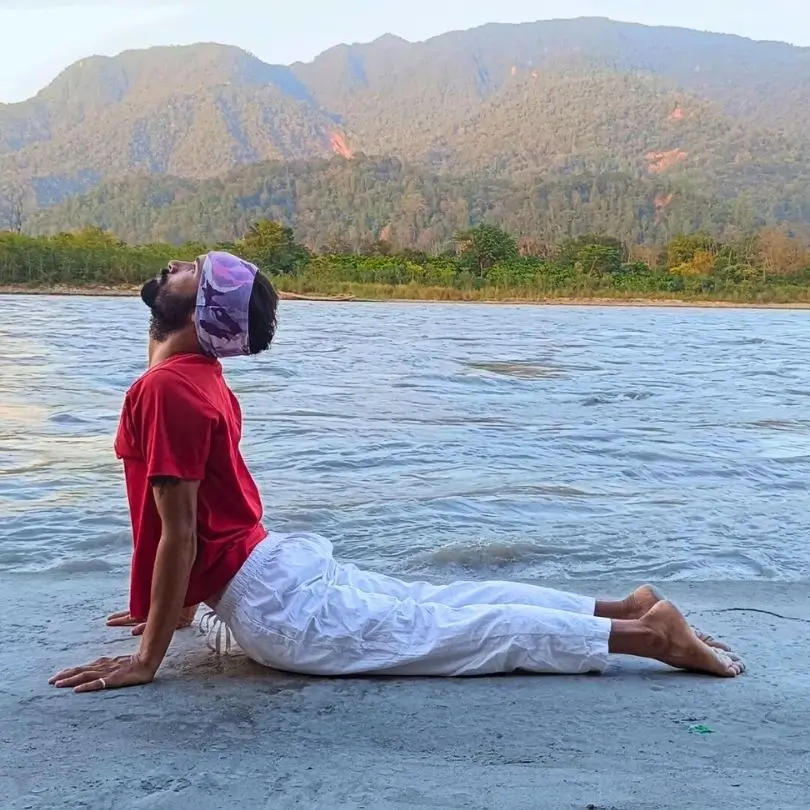
Bhujangasana, commonly known as Cobra Pose, is a foundational yoga backbend practiced while lying on the stomach. The name comes from the Sanskrit words bhujanga (cobra or serpent) and asana (pose). In the final posture, the lifted chest and elongated spine resemble a cobra raising its hood.
Bhujangasana is an integral part of Surya Namaskar (Sun Salutation) and is practiced in Hatha Yoga, Vinyasa Yoga, Ashtanga Yoga, and therapeutic yoga sessions. This asana gently strengthens the spine, opens the chest and lungs, stimulates digestion, and energizes the nervous system.
Unlike intense backbends, Cobra Pose is accessible, safe when practiced correctly, and deeply rejuvenating for both body and mind.
Why Practice Bhujangasana?
Modern lifestyles involve prolonged sitting, poor posture, shallow breathing, and mental fatigue. Bhujangasana directly counteracts these effects by:
Reversing spinal compression
Expanding the chest and lungs
Awakening dormant spinal muscles
Stimulating abdominal organs
Reducing physical and mental stress
This makes Bhujangasana one of the most therapeutic yoga poses for daily practice.
How to Do Bhujangasana (Step-by-Step)
Lie flat on your stomach with legs extended, feet together, and toes pointing back
Place your palms under your shoulders, elbows close to the body
Rest your forehead on the mat and relax the body
Inhale deeply and slowly lift your head, chest, and upper abdomen
Keep the navel lightly grounded and distribute weight evenly through palms
Roll shoulders back, open the chest, and lengthen the spine
Gaze slightly upward without compressing the neck
Hold the pose for 4–5 deep breaths
Exhale slowly and lower chest, abdomen, and forehead back to the mat
Relax in Makarasana (Crocodile Pose)
Repeat 3–5 times.
Breathing Technique in Bhujangasana
Inhale while lifting into the pose
Maintain slow, deep nasal breathing
Exhale while releasing
Conscious breathing reduces strain on the lower back and enhances spinal support.
Key Alignment Principles (Expert Cues)
Elbows remain close to the ribs
Shoulders roll down and away from ears
Thighs and pelvis stay grounded
Spine lengthens evenly (not collapsed at lower back)
Chest lifts forward and upward, not just vertically
Correct alignment transforms Bhujangasana from a stretch into a therapeutic spinal extension.
Benefits of Bhujangasana (Scientifically Explained)
1. Strengthens the Spine
Bhujangasana activates erector spinae muscles, improving spinal stability and posture while reducing stiffness caused by prolonged sitting.
2. Improves Lung Capacity & Breathing
Chest expansion enhances alveolar ventilation, supporting respiratory health and conditions like mild asthma (not during acute attacks).
3. Stimulates Digestive Organs
Gentle abdominal compression massages the stomach, liver, intestines, improving digestion and metabolism.
4. Reduces Stress & Fatigue
Backbends stimulate the sympathetic nervous system, increasing alertness while calming mental fatigue.
5. Supports Hormonal Balance
Neck extension activates the thyroid and pituitary glands, contributing to hormonal regulation.
6. Improves Blood Circulation
Spinal extension improves circulation to the spinal cord, brain, and abdominal organs.
7. Enhances Posture & Confidence
Chest opening counters rounded shoulders, improves posture, and creates a sense of emotional openness.
Learn more about yoga through our yoga courses:
Chakra Activation in Bhujangasana
Bhujangasana stimulates multiple energy centers:
Manipura Chakra (Solar Plexus) – digestion, confidence, metabolism
Anahata Chakra (Heart) – emotional balance, compassion
Vishuddha Chakra (Throat) – breath, expression
This makes Cobra Pose a powerful energy-awakening asana.
(Future internal links: Solar Plexus Chakra, Heart Chakra, Chakra Balancing Yoga)
Anatomical Focus (Muscles Involved)
Primary Muscles Activated:
Erector spinae
Gluteus maximus
Psoas
Core (rectus abdominis, transverse abdominis)
Secondary Muscles:
Triceps & biceps
Hamstrings
Pelvic floor
This balanced engagement protects the spine and deepens the backbend safely.
Preparatory Poses for Bhujangasana
Makarasana (Crocodile Pose)
Salamba Bhujangasana (Sphinx Pose)
Adho Mukha Svanasana (Downward Dog)
These poses warm the spine and shoulders.
Follow-Up Poses (After Cobra Pose)
Balasana (Child’s Pose)
Dhanurasana (Bow Pose)
Urdhva Mukha Svanasana (Upward Dog)
Common Mistakes to Avoid
Locking elbows aggressively
Compressing lower back
Lifting pelvis off the mat
Holding breath
Over-arching the neck
Contraindications & Safety Guidelines
Avoid Bhujangasana if you have:
Pregnancy
Recent abdominal, spinal, or cardiac surgery
Severe back pain or herniated disc
Wrist injuries or carpal tunnel syndrome
Always practice under a qualified yoga teacher, especially if you have medical conditions.
Therapeutic Applications
When practiced mindfully, Bhujangasana may support:
Mild digestive disorders
Hormonal imbalance
Stress-related fatigue
Poor posture
Low back stiffness
Yoga complements medical care but does not replace it.
Bhujangasana in Yogic Philosophy & History
Bhujangasana is described in the Gheranda Samhita, one of the classical Hatha Yoga texts. The serpent symbolizes transformation, awakening, and fearlessness.
In yogic symbolism, the rising cobra mirrors the awakening of Kundalini Shakti, moving upward through the spine toward higher consciousness.
Looking for short yoga program?
Check out below our:
Who Should Practice Bhujangasana?
Beginners starting yoga
Office workers with back stiffness
Athletes needing spinal mobility
Students practicing Surya Namaskar
Anyone seeking stress relief and posture correction
Final Thoughts
Bhujangasana (Cobra Pose) is far more than a simple backbend. It is a holistic posture that integrates anatomy, breath, energy, and awareness. With consistent and mindful practice, Cobra Pose strengthens the spine, energizes the body, calms the mind, and opens the heart.
Practiced daily, it becomes a powerful tool for physical vitality, mental clarity, and inner confidence.