

What Is the Importance of Yoga and Meditation in Students' Lives?
Students today juggle exams, assignments, deadlines, and everything else life adds on top — and taking care of physical and mental well-being often gets pushed to the bottom of that list. Yoga and meditation are two of the more evidence-backed ways to put it back near the top.
This isn’t just anecdotal. A randomized controlled trial comparing yoga against physical exercise in school-age students found yoga enhanced intelligence, executive function, and reduced anxiety more than exercise alone. And a broader review of school-based yoga programs found consistent improvements in stress, anxiety, and mood across the studies examined.
For students specifically, that translates into something practical: a body that carries less tension from hours at a desk, and a mind that can actually settle before an exam instead of spinning through it. This article covers what the research and practice actually show about yoga and meditation’s role in a student’s daily life — not just the general claim that “it helps.”
How Yoga and Meditation Work Together
Yoga and meditation aren’t the same thing wearing two names — they complement each other by covering different ground. Yoga works through movement, breath, and physical release, building body awareness and working out physical tension. Meditation works more directly on attention itself — observing thoughts rather than getting swept up in them, and building a calmer relationship with whatever’s going on emotionally.
Together, they cover both ends of a student’s day: movement for the hours spent sitting, studying, or staring at a screen, and stillness for the moments that need a genuine pause rather than another task.
Why Practicing Both Can Be Helpful for Students
This isn’t just a nice theory — it’s been tested directly. A six-week combined yoga-and-meditation program run at a U.S. pharmacy college in the weeks before final exams was specifically designed around the idea that pairing the two would help faster than either alone, and the program was judged successful enough that the college made it a permanent weekly offering for students, staff, and faculty afterward.
For a student, the practical version is simple: a short yoga practice followed by a few minutes of quiet breathing or meditation is far easier to sustain than an elaborate wellness routine you’ll abandon in two weeks. The goal was never perfect calm or flawless concentration — it’s building the habit of noticing your own state and responding to it, rather than plowing through on autopilot.
Key Benefits of Yoga and Meditation for Students
Regular yoga and meditation practice supports several distinct areas of student life — physical, mental, and emotional — especially once the practices become a routine rather than an occasional add-on.
Physical Strength and Body Awareness
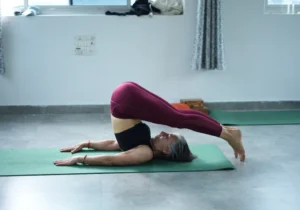
Yoga builds real physical strength, balance, and body awareness — postures like Plank and Cobra work multiple muscle groups depending on style and sequencing. For students spending long stretches sitting in classrooms or hunched over a desk, that’s a genuine counterweight to hours of inactivity, not just a nice-sounding claim.
Example: A short yoga practice in the morning or between study sessions gives the body an actual reason to move, rather than staying compressed into the same seated position for hours.
Flexibility and Physical Comfort
Yoga’s stretching and mobility work directly counters the tightness that builds up from hours at a desk or hunched over a screen — shoulders, neck, back, and hips are the usual places it shows up first.
Flexibility here isn’t about advanced postures. For most students, it’s simply about restoring a comfortable range of motion that sitting all day quietly erodes.
Example: A few minutes of stretching between long study sessions breaks up extended sitting before tension has a chance to set in.
Stress Management and Relaxation
Exam pressure, deadlines, and academic expectations are real stressors, not exaggerated ones — and there’s solid evidence behind yoga’s effect here. A randomized controlled trial comparing yoga against physical exercise in school-age students found yoga reduced anxiety more effectively than exercise alone, and a broader review of school-based yoga programs found consistent reductions in stress and anxiety across the studies examined.
Breathing practices, mindful movement, and meditation create real moments of calm inside a demanding routine. They’re not a substitute for professional support when that’s genuinely needed — but as an everyday tool, the evidence for them is stronger than “may help” suggests.
Example: Before an exam or after a demanding study session, a few minutes of slow breathing and present-moment attention measurably shifts how the next hour feels.
Concentration and Mental Clarity
The same controlled trial mentioned above also found yoga improved executive function and cognitive performance compared to physical exercise alone — this isn’t just a subjective sense of “feeling more focused,” it showed up in measured test results.
That doesn’t mean distractions disappear. What it means is students get better, faster at noticing when attention has drifted and bringing it back — which is most of what concentration actually is in practice.
Example: A short period of quiet breathing before a study session creates a clean transition point between whatever came before and the focus the studying actually needs.
Looking for a short program in Rishikesh to build these habits with real guidance? Explore our Yoga Retreats for Beginners.
Getting Started: A Simple Practice for Students
You don’t need a complicated routine to begin — a few minutes of gentle movement, conscious breathing, or quiet attention is enough to build a real habit.
How Students Can Start Practicing Yoga and Meditation
- Yoga: Start with simple, comfortable postures — Mountain Pose or Child’s Pose work well. Focus on moving gently and paying attention to how your body actually feels, not on getting the shape “right.”
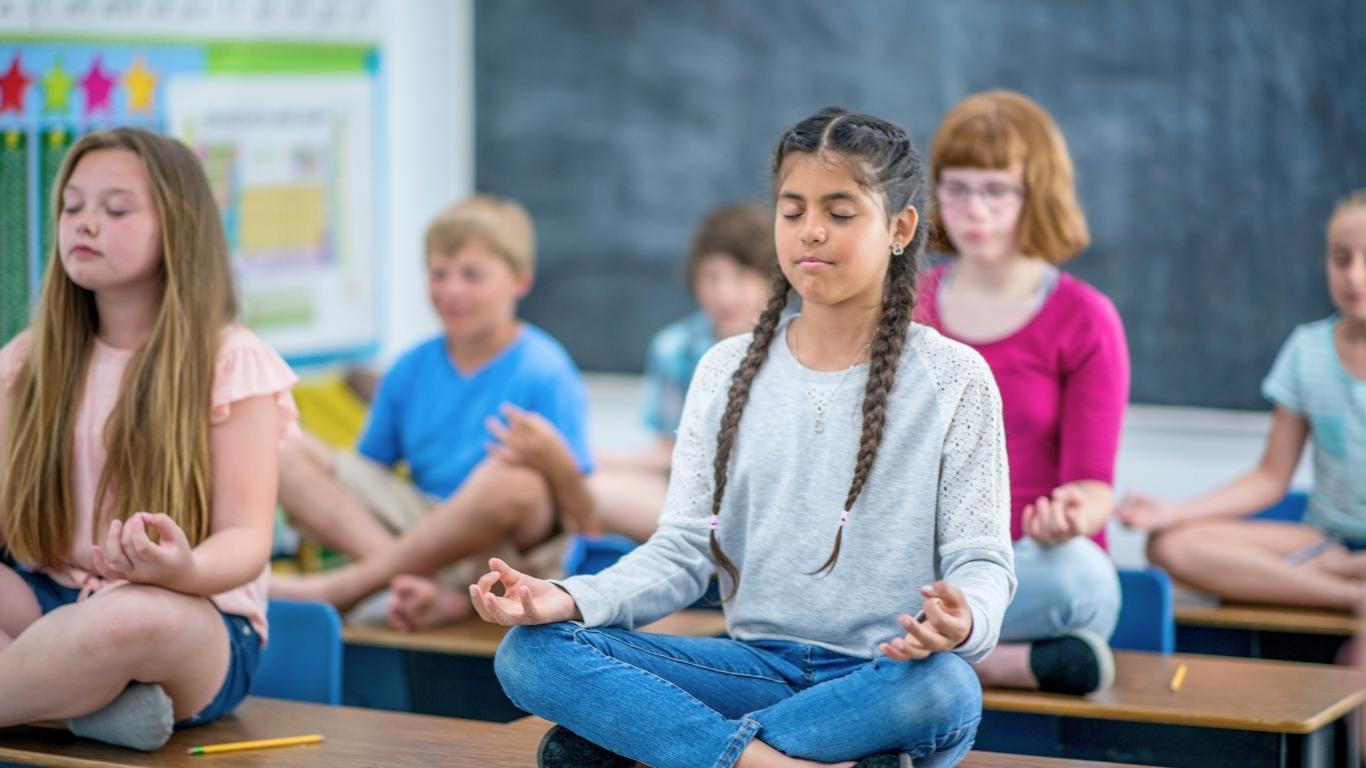
- Meditation: Sit or lie comfortably and spend a few minutes noticing your natural breath. When your attention wanders — and it will — gently bring it back to the breath or whatever point of focus you’ve chosen.
- Build it into your day: Pick a time that fits naturally — a few minutes of movement in the morning, or quiet breathing right after studying.
- Start small: A consistent five or ten minutes beats an ambitious routine you abandon after a week.
The most important step is picking something realistic enough that you’ll actually keep doing it. From there, you can explore further as you get more comfortable.
Tip: Learning from a qualified teacher, or at least clear beginner-friendly instruction, helps avoid the most common mistake — forcing the body into a posture rather than working within what it can actually do that day.
Ready to go deeper than a self-guided routine? Build a real foundation with our Yoga Teacher Training Courses:
100-Hour YTT
200-Hour YTT
300-Hour YTT
Conclusion: Building a Healthier Routine as a Student
Yoga and meditation offer real, low-effort ways to pause, move, breathe, and bring more awareness into a busy routine. None of it needs to be long or complicated — a few minutes of gentle movement, conscious breathing, or quiet reflection is enough to matter.
Consistency beats perfection here. Start with one simple practice and let a routine develop around your own schedule and ability, not someone else’s ideal version of it.
Whether the goal is breaking up hours of sitting, finding a moment of calm in a demanding day, or building real concentration, yoga and meditation are supportive practices worth exploring alongside academic life — not instead of it.
Try this today: Take five minutes away from distractions. Sit comfortably, notice your natural breath, and gently bring your attention back whenever your mind wanders.
Frequently Asked Questions
Why is yoga important for students?
Yoga gives students a direct counterweight to hours of sitting and screen time — building strength, flexibility, and body awareness — while research shows it also improves executive function and reduces anxiety more effectively than physical exercise alone in school-age students.
What are the benefits of meditation for students?
Meditation builds the capacity to notice when attention has drifted and bring it back — the core skill behind concentration. Reviews of school-based meditation and yoga programs consistently show improvements in stress, anxiety, and mood.
How much yoga and meditation do students need each day?
There’s no fixed number — five to ten minutes of consistent daily practice tends to build a stronger habit than a longer routine practiced occasionally. Consistency, not duration, is what drives the benefit.
Can yoga and meditation improve academic performance?
Indirectly, yes. A randomized controlled trial found yoga improved cognitive function and reduced anxiety in students compared to physical exercise — both factors that affect how well someone can study and perform under exam pressure.
विद्यार्थी जीवन में ध्यान का महत्व
विद्यार्थी जीवन में पढ़ाई का दबाव, परीक्षा की चिंता और व्यस्त दिनचर्या आम बात है। ध्यान (meditation) विद्यार्थियों को कुछ ही मिनटों में मन को शांत करने और ध्यान केंद्रित करने में मदद कर सकता है। रोज़ पाँच से दस मिनट की नियमित ध्यान साधना तनाव कम करने और पढ़ाई पर बेहतर फोकस बनाने में सहायक हो सकती है।