
Sacred Spaces for Healing: How Yoga Retreats Support Deep Healing and Presence
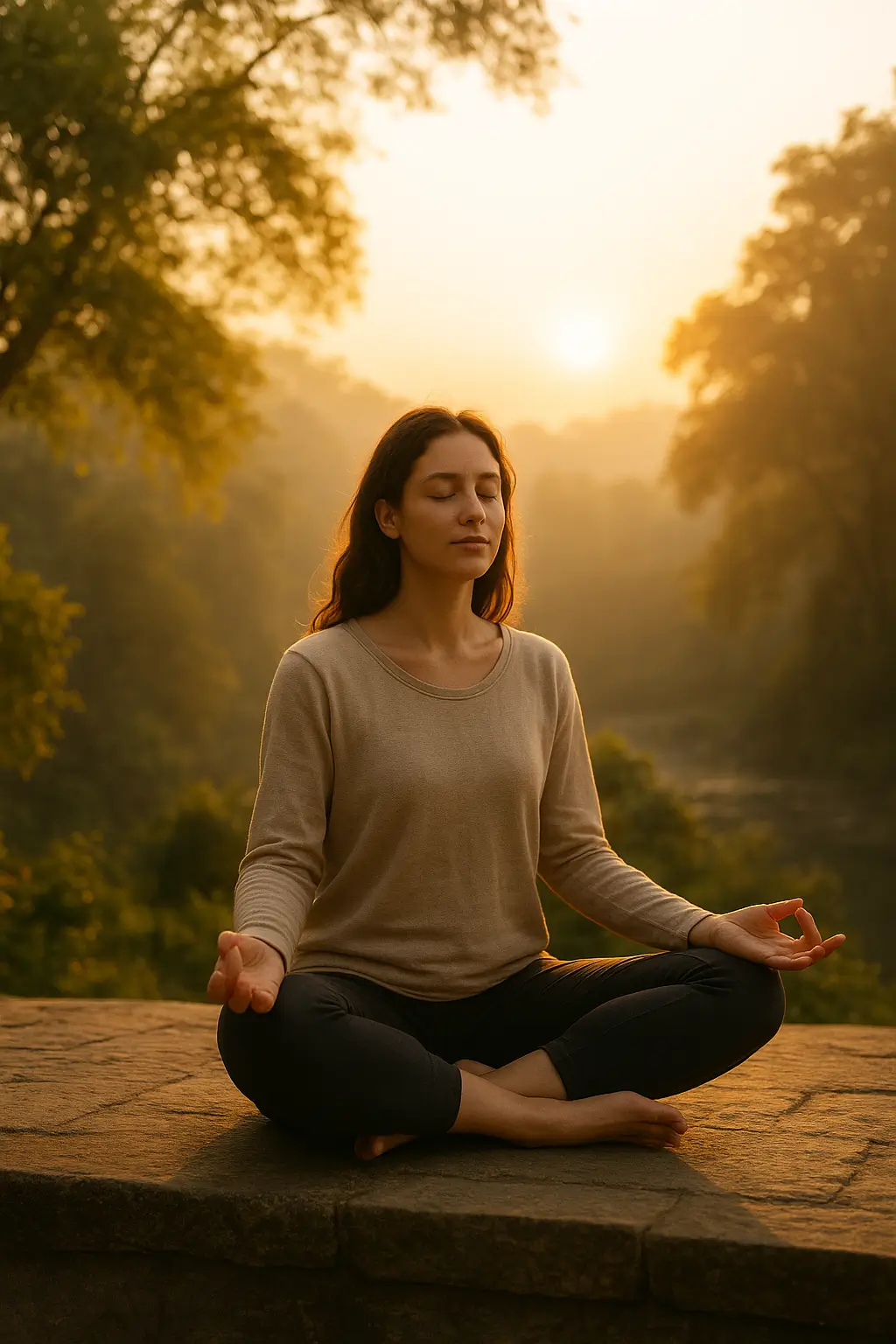
Short answer:Yoga retreats create sacred spaces that allow the body and mind to reset by stepping away from daily stress. Through silence, nature, and guided practices, retreats support deep emotional healing, mental clarity, and a return to inner balance.
Why Sacred Spaces Matter for Healing
In a world of constant movement, true rest has become rare. We scroll, rush, and consume endlessly, but seldom do we pause long enough to hear the deeper needs of the soul. Sacred spaces—whether in temples, nature, or yoga retreats—invite us to stop.
When we step into such environments, something shifts: our breath slows, our shoulders soften, and the inner chatter begins to fade. Healing happens not by doing more, but by finally being present.
Key Takeaways
– Yoga retreats provide a break from mental and sensory overload
– Sacred environments naturally calm the nervous system
– Consistent practice deepens awareness and emotional healing
– Nature and silence accelerate inner transformation
– Retreats help reconnect with your authentic self
The Ancient Roots of Retreats
Retreats are not modern inventions. Ancient yogis and sages withdrew into caves and forests, seeking solitude to deepen their practices. The Sanskrit word “aranya” means forest, a place where seekers once lived to cultivate silence and wisdom.
Today’s yoga retreats mirror this tradition, creating structured containers where modern practitioners can rediscover stillness amidst supportive guidance.
How Retreats Support Inner Transformation
1. Disconnection From Noise
By stepping away from digital overload, retreats help release the grip of constant stimulation. Without notifications, your nervous system finally breathes.
2. Connection With Nature
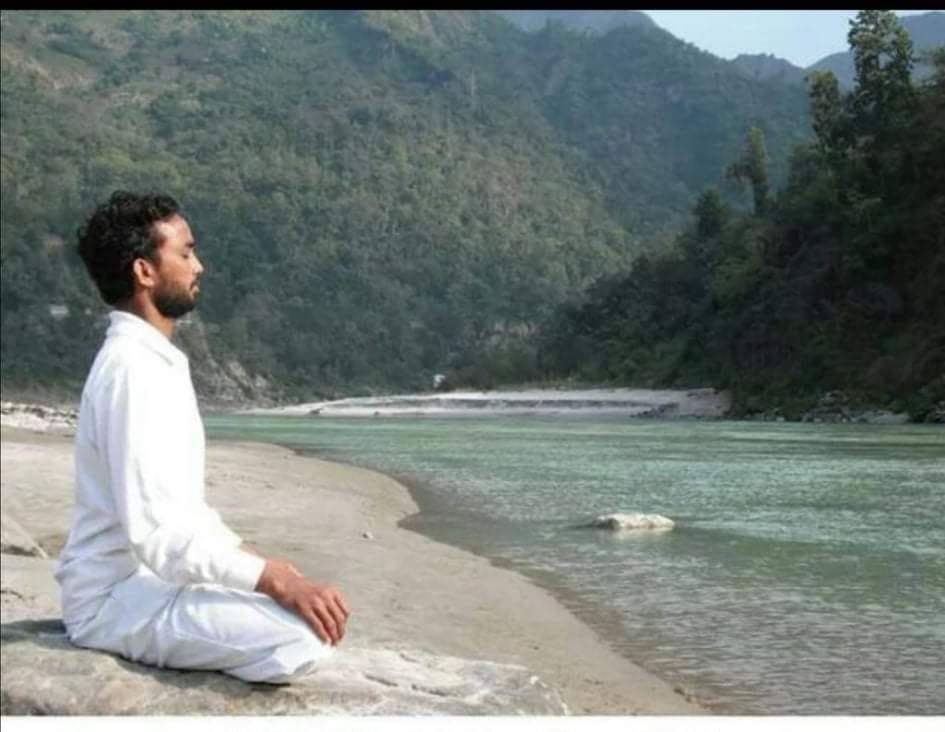
Sacred spaces are often nestled in natural settings—mountains, rivers, or forests. Nature itself is medicine, reminding us that our bodies follow the same cycles of rest and renewal.
3. Guidance and Community
Retreats bring together teachers and fellow seekers. In this shared space, healing accelerates—because presence is contagious.
4. Deepening Practices
Whether through yoga postures, meditation, or breathwork, the consistency of daily practice within a retreat environment anchors new ways of being.
Who Should Consider a Healing Retreat?
– Individuals experiencing stress, burnout, or emotional fatigue
– Those seeking clarity or direction in life
– Beginners looking to explore yoga and mindfulness deeply
– People wanting to disconnect from digital overload
– Anyone feeling disconnected from themselves or their purpose
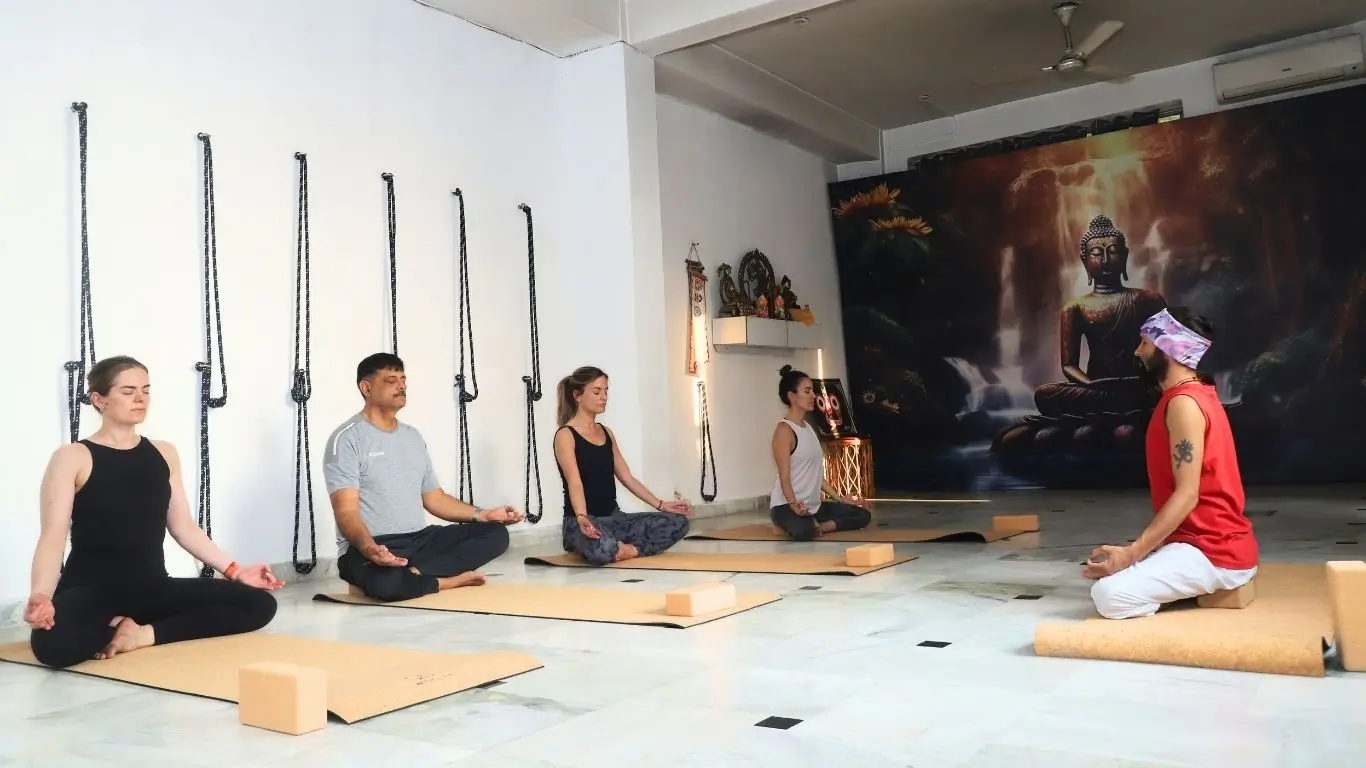
What Happens During a Yoga Retreat?
– Daily yoga and meditation sessions
– Breathwork (pranayama) practices
– Periods of silence or reflection
– Nutritious and mindful eating
– Time in nature for rest and integration
My First Retreat Experience
I remember arriving at my first yoga retreat feeling exhausted, carrying the weight of burnout. The silence of the mountains felt unsettling at first. But within days, I realized I was learning to listen again—to the sound of my breath, the rhythm of my heart, the whispers of my own intuition.
The retreat didn’t give me something new; it reminded me of what I already had within.
Sacred Spaces as Bridges Between Worlds
A retreat is more than a holiday. It’s a bridge between outer life and inner life. You leave behind the pressures of routine not to escape, but to return with clarity, resilience, and a deeper presence.
When we honor these spaces, we create the conditions for transformation that daily life rarely allows.
Check out Retreats in Rishikesh here:
Benefits of Yoga Retreats
– Reduced stress and anxiety levels
– Improved mental clarity and emotional balance
– Deeper connection with body, breath, and awareness
– Enhanced focus and mindfulness in daily life
– A lasting sense of inner peace and grounding
Closing Reflection
Sacred spaces remind us that healing does not happen by chance—it happens by intention. By stepping into a retreat, you step out of old patterns and into presence. And once you’ve touched that inner stillness, you carry it back into your everyday life, allowing it to ripple through your relationships, work, and sense of self.
For seekers ready to balance ancient wisdom with modern practice, few paths are as powerful as beginning a 100 hour yoga teacher training in Rishikesh.
How to Choose the Right Retreat
– Look for experienced and authentic teachers
– Choose a location that supports peace and nature connection
– Check if the retreat matches your level (beginner/intermediate)
– Understand the daily schedule and intensity
– Read reviews or testimonials for real experiences
Frequently Asked Questions
1. How is a yoga retreat different from a vacation?
A retreat is designed for intentional rest, reflection, and practice. Unlike a vacation, it focuses on inner renewal rather than external entertainment.
2. Do I need prior yoga experience to join a retreat?
Not necessarily. Many retreats welcome beginners, offering gentle guidance that meets you where you are.
3. Why is Rishikesh a popular destination for retreats?
Rishikesh, known as the “Yoga Capital of the World,” offers a unique blend of spiritual tradition, natural beauty, and authentic yoga teaching.
You may also like to explore: