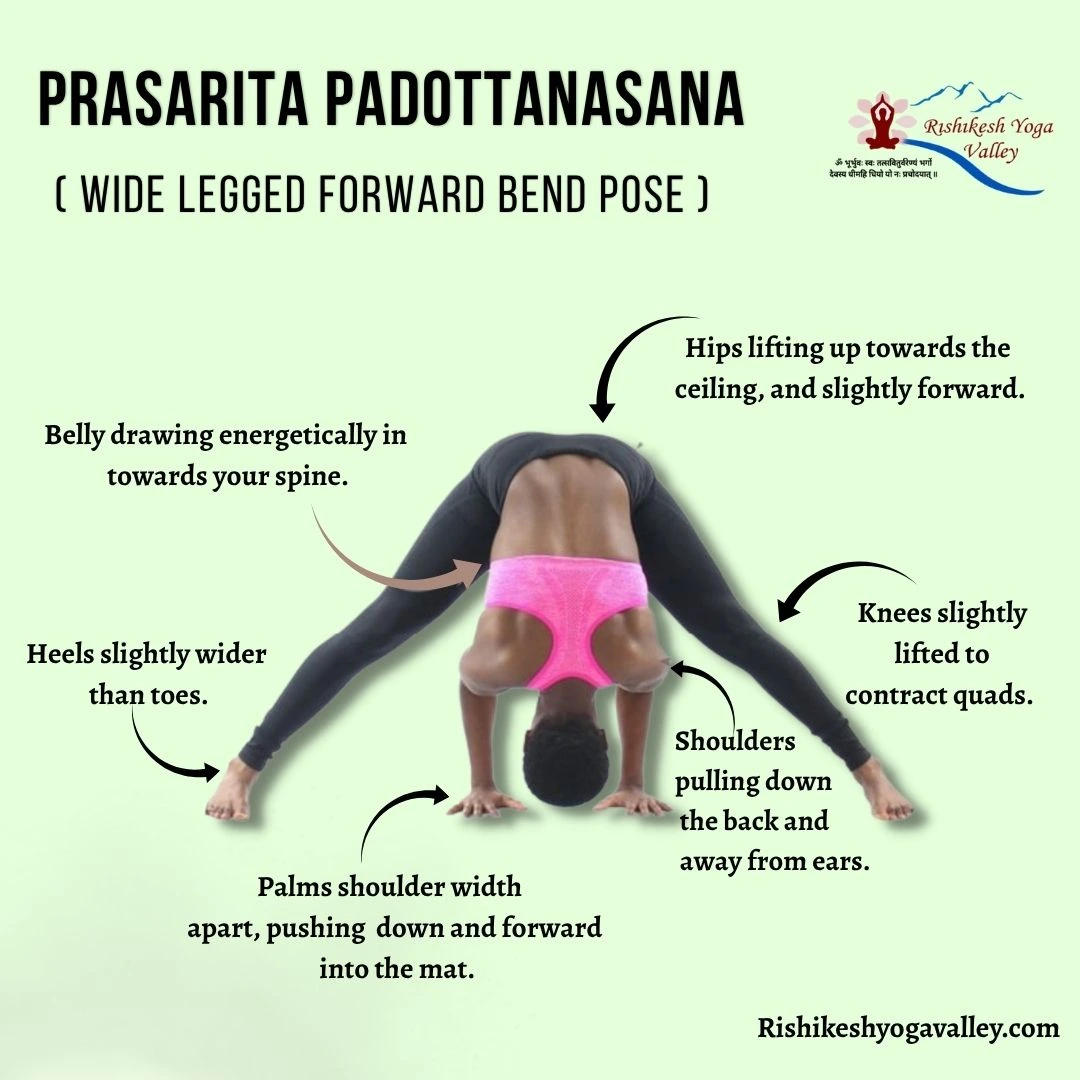
Yoga is more than physical movement—it is a practice that helps create balance between the body, breath, and mind. Among the many standing forward bends in yoga, Prasarita Padottanasana stands out for its ability to improve flexibility, release tension, and calm the nervous system.
Known as the Wide-Legged Forward Fold, this pose combines grounding energy with deep stretching. It strengthens the legs, lengthens the spine, and helps practitioners develop better body awareness. Whether you are a beginner or an advanced yogi, Prasarita Padottanasana can become a valuable part of your yoga journey.
In this guide, you’ll learn everything about Prasarita Padottanasana, including its meaning, benefits, variations, safe alignment tips, common mistakes, and how to include it in your yoga practice.
What is Prasarita Padottanasana?
Prasarita Padottanasana is a Sanskrit term that can be broken down into three parts:
- Prasarita = spread out or expanded
- Pada = foot or leg
- Uttanasana = intense stretch or forward bend
Together, the name translates to Wide-Legged Standing Forward Bend.
In this pose, the legs are placed wide apart while the upper body folds forward from the hips. The posture creates a deep stretch through the hamstrings, calves, hips, groin, and spine while also encouraging mental relaxation.
Unlike some intense yoga postures that require advanced flexibility or balance, Prasarita Padottanasana is highly adaptable. It can be modified for beginners using yoga blocks or chairs, while experienced practitioners can deepen the stretch with advanced arm variations.
How to Practice Prasarita Padottanasana
Follow these step-by-step instructions to practice the pose safely and effectively.
Step 1: Begin in Mountain Pose
Stand tall at the top of your mat in Tadasana (Mountain Pose). Keep your spine long, shoulders relaxed, and feet grounded evenly.
Step 2: Step the Feet Wide Apart
Step your feet around 3–4 feet apart depending on your height and flexibility. Your toes should point slightly inward.
Step 3: Engage the Legs
Press firmly through all four corners of the feet. Lift the arches slightly and engage the thigh muscles to create stability.
Step 4: Lengthen the Spine
Place your hands on your hips and inhale deeply. Lift through the chest and lengthen your torso upward.
Step 5: Fold Forward
Exhale slowly and hinge forward from the hips rather than rounding the back. Keep your spine extended as you move into the fold.
Step 6: Place the Hands Down
Bring your hands to the floor beneath your shoulders. If the floor feels too far away, place yoga blocks under your hands.
Step 7: Relax the Head and Neck
Allow your head to release naturally toward the floor while keeping your legs active and strong.
Step 8: Hold the Pose
Stay in the pose for 5–10 breaths. Focus on slow breathing and maintaining equal weight across both feet.
Step 9: Rise Slowly
To come out of the pose, place your hands on your hips, engage your core, and slowly lift your torso back up with a flat back.
Benefits of Prasarita Padottanasana
Prasarita Padottanasana offers physical, emotional, and mental benefits. Practicing this pose regularly can improve overall well-being and support a balanced yoga routine.
1. Improves Flexibility
The pose deeply stretches the hamstrings, calves, hips, and inner thighs. Over time, it helps improve flexibility and mobility throughout the lower body.
2. Lengthens and Decompresses the Spine
Forward folding creates space between the vertebrae, helping release tension from the lower back and improving posture.
3. Strengthens the Legs
Although it is a stretching posture, the legs remain active throughout the pose. This strengthens the thighs, knees, ankles, and feet.
4. Calms the Mind
As a forward bend, Prasarita Padottanasana naturally encourages introspection and relaxation. The inverted position helps soothe the nervous system and reduce stress.
5. Encourages Better Circulation
With the head lower than the heart, the pose supports blood flow toward the brain, helping improve focus and mental clarity.
6. Supports Digestion
The gentle abdominal compression created in the fold may stimulate digestive organs and support healthy digestion.
7. Helps Counteract Sitting Fatigue
Long hours of sitting can tighten the hips and hamstrings. This pose stretches those areas and helps relieve stiffness caused by sedentary lifestyles.
8. Builds Body Awareness
Balancing weight evenly through the feet and maintaining spinal alignment helps develop mindfulness and coordination.
Variations of Prasarita Padottanasana
One of the reasons this posture is so popular is because it offers several variations suitable for all levels.
Prasarita Padottanasana A
This is the classic variation where the hands rest on the floor beneath the shoulders. It is excellent for beginners learning proper alignment.
Prasarita Padottanasana B
In this variation, the hands stay on the hips while folding forward. It helps practitioners focus on hip hinging and spinal extension.
Prasarita Padottanasana C
Interlace the fingers behind the back and allow the arms to lift overhead while folding. This variation stretches the shoulders and chest deeply.
Prasarita Padottanasana D
Wrap the first two fingers around the big toes and bend the elbows outward. This version intensifies the forward fold.
Revolved Wide-Legged Forward Fold
Also called Parivrtta Prasarita Padottanasana, this variation introduces a spinal twist. One hand remains on the floor while the opposite arm reaches upward.
Supported Variation
Place blocks under the hands or rest the head on a bolster for additional support. This is ideal for beginners or restorative yoga practices.
Dynamic Variation
Move in and out of the fold with the breath by inhaling halfway up and exhaling forward. This creates warmth and mobility throughout the body.
Common Mistakes in Prasarita Padottanasana
Although the pose looks simple, incorrect alignment can reduce its benefits or lead to discomfort.
Rounding the Back
One of the most common mistakes is collapsing through the spine while folding. Instead, focus on hinging from the hips and lengthening the torso.
Locking the Knees
Hyperextending the knees can strain the joints. Keep a soft micro-bend if needed.
Uneven Weight Distribution
Avoid shifting all your weight into the heels or toes. Ground evenly through the feet.
Forcing the Stretch
Trying to touch the floor too quickly may create tension instead of release. Respect your flexibility level and move gradually.
Holding the Breath
Steady breathing helps relax the body and deepen the posture safely. Avoid shallow or restricted breathing.
Tips for Safe Practice
Practicing mindfully helps prevent injury and allows you to experience the full benefits of the pose.
- Warm up the hamstrings and hips before practicing deep forward folds.
- Engage your core muscles to support the spine.
- Use yoga blocks if your hands do not comfortably reach the floor.
- Keep the spine long rather than focusing on how deep the fold looks.
- Bend the knees slightly if you feel strain in the hamstrings or lower back.
- Move slowly when coming out of the posture to avoid dizziness.
Who Should Avoid or Modify This Pose?
Prasarita Padottanasana is generally safe for most practitioners, but some people should modify or avoid the pose.
Modify the Pose If You Have:
- Tight hamstrings
- Lower back sensitivity
- Mild dizziness
- Knee discomfort
Avoid the Pose If You Have:
- Severe lower back injuries
- Hamstring tears
- Recent hip injuries
- Uncontrolled high blood pressure unless guided by a professional
Always practice under the guidance of a qualified yoga teacher if you are unsure about alignment or safety.
Prasarita Padottanasana and the Mind-Body Connection
This pose offers more than physical flexibility. Like many forward folds, it encourages turning inward and calming mental chatter.
The gentle inversion effect may help reduce anxiety, improve concentration, and create a feeling of emotional grounding. Many practitioners use this posture during stressful days because it encourages stillness and mindful breathing.
When combined with slow, conscious breaths, the pose becomes a moving meditation that supports both emotional and physical balance.
How to Add Prasarita Padottanasana to Your Yoga Practice
There are many ways to include this pose in your routine.
As a Warm-Up
Use it early in practice to open the hamstrings, hips, and spine.
During Flow Sequences
Add it into Vinyasa or standing yoga flows to create transitions between poses.
Before Inversions
The posture prepares the body for inversions such as Headstand by lengthening the spine and improving body awareness.
As a Cool-Down Pose
At the end of practice, it helps release tension and calm the nervous system.
Difference Between Prasarita Padottanasana and Uttanasana
Although both are standing forward folds, they differ in alignment and muscular engagement.
| Prasarita Padottanasana | Uttanasana |
|---|---|
| Wide-legged stance | Feet together or hip-width |
| Greater inner thigh stretch | Stronger hamstring emphasis |
| More stability for beginners | Requires more balance |
| Opens hips and groin | Focuses more on the back body |
Both poses complement each other beautifully in yoga practice.
Beginner-Friendly Modifications
If you are new to yoga, these modifications can make the pose more comfortable.
- Place hands on blocks
- Rest forearms on a chair
- Keep knees slightly bent
- Shorten the stance width
- Practice near a wall for support
Yoga is not about forcing flexibility—it is about creating awareness and ease within the body.
Advanced Exploration
For experienced practitioners, the pose can become more challenging by:
- Deepening the fold
- Bringing the crown of the head closer to the mat
- Adding shoulder-opening arm binds
- Holding the posture longer
- Incorporating twisting variations
Advanced practitioners should still prioritize alignment and breath awareness