
Ashwini Mudra is one of the simplest yet most powerful yogic practices for strengthening the pelvic floor, improving digestion, and enhancing energy flow in the body.
Unlike complex yoga poses, this practice is subtle—it involves rhythmic contraction and relaxation of specific muscles. But don’t mistake simplicity for weakness. When practiced correctly, Ashwini Mudra can deeply influence your physical health, hormonal balance, and even mental stability.
What Is Ashwini Mudra?
Ashwini Mudra is a yogic practice that involves the rhythmic contraction and relaxation of the anal sphincter muscles to strengthen the pelvic floor and stimulate energy flow.
The name comes from Sanskrit:
- Ashwa = horse
- Mudra = gesture or seal
The movement mimics the natural contraction of a horse’s anal muscles—hence the name “Horse Gesture.”
👉 Here’s what this means in simple terms:
It’s like a yogic version of Kegel exercises, but with deeper effects on energy, digestion, and internal organs.
Why Ashwini Mudra Is More Powerful Than It Looks
Most competitor content only mentions pelvic strength—but that’s just the surface.
Based on traditional yoga understanding and modern physiology:
- It activates the pelvic floor muscles
- Improves blood circulation in lower organs
- Supports bowel movement and digestion
- Helps regulate nervous system responses
- Stimulates the Root Chakra (Muladhara)
It’s not just muscle training—it’s internal system training
Ashwini Mudra at a Glance
- Type: Mudra (energy practice)
- Level: Beginner to advanced
- Focus Area: Pelvic floor, lower abdomen
- Best Time: Morning or meditation time
- Duration: 5–15 minutes
- Can be done in: Sitting, lying, or standing
Looking for short yoga program?
Check out below our:
How to Do Ashwini Mudra (Step-by-Step)
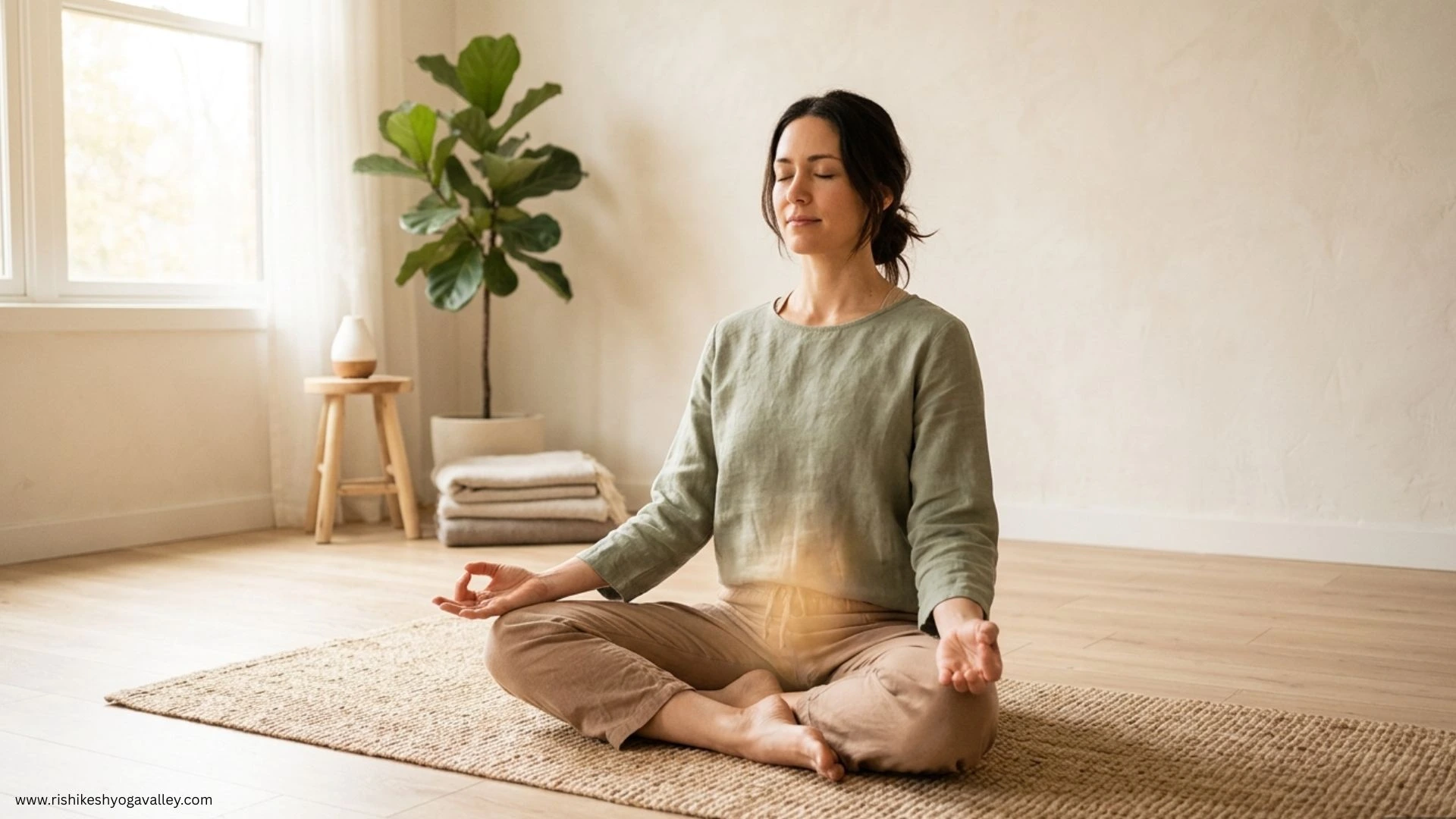
Step 1: Sit Comfortably
Sit in a meditative posture like Sukhasana, Vajrasana, or even on a chair.
Step 2: Keep the Spine Straight
Maintain an upright but relaxed posture.
Step 3: Bring Awareness to the Pelvic Area
Focus on the anal sphincter muscles.
Step 4: Contract the Muscles
Gently contract the muscles as if trying to stop passing gas.
Step 5: Hold Briefly
Hold for 2–3 seconds without strain.
Step 6: Relax Completely
Release the contraction fully.
Step 7: Repeat Rhythmically
Continue contracting and relaxing in a steady rhythm.
Step 8: Sync with Breath
- Inhale → Contract
- Exhale → Relax
Step 9: Continue for Several Rounds
Start with 10–15 repetitions and increase gradually.
What Are the Benefits of Ashwini Mudra?
Competitor articles list benefits—but rarely explain them clearly. Let’s break them down properly.
1. Strengthens Pelvic Floor Muscles
This is the core benefit.
The repeated contraction:
- tones pelvic muscles
- supports bladder and bowel control
- improves reproductive health
👉 Simple explanation:
It builds strength in the muscles you rarely train—but rely on daily.
2. Helps Relieve Constipation
The rhythmic contraction stimulates intestinal movement (peristalsis).
This can:
- improve bowel movement
- reduce gas buildup
- support digestive efficiency
3. Improves Blood Circulation in Lower Body
The contraction-relaxation cycle acts like a pump:
- increases blood flow to pelvic organs
- reduces stagnation
- supports tissue health
4. Supports Women’s Health
Ashwini Mudra may help:
- postpartum recovery
- uterine strength
- menopause-related issues
- urinary incontinence
👉 Think of it as internal muscle rehabilitation.
5. Helps with Piles (Hemorrhoids)
By improving circulation and relieving pressure:
- reduces strain during bowel movement
- supports healing of rectal tissues
6. Improves Bladder Control
Useful for:
- urine leakage
- weak bladder muscles
This is why it’s often compared to Kegel exercises.
7. Enhances Energy Flow (Prana)
In yogic terms:
- activates Muladhara Chakra
- helps move energy upward
- prepares for advanced practices like Mula Bandha
8. Supports Mental Calmness
Better circulation + nervous system balance =
- reduced stress
- improved focus
- emotional stability
Ashwini Mudra vs Kegel Exercise
This is a key gap competitors don’t explain clearly.
| Feature | Ashwini Mudra | Kegel Exercise |
|---|---|---|
| Origin | Yoga | Medical exercise |
| Focus | Energy + muscles | Muscles only |
| Breath awareness | Yes | No |
| Chakra activation | Yes | No |
| Holistic impact | High | Moderate |
👉 Simple takeaway:
Kegels strengthen muscles. Ashwini Mudra strengthens muscles + energy system.
Best Time to Practice Ashwini Mudra
- Early morning (empty stomach)
- During meditation
- Before pranayama
- After yoga practice
Avoid practicing:
- immediately after meals
How Long Should You Practice?
- Beginners: 5 minutes
- Intermediate: 10 minutes
- Advanced: 15+ minutes
Consistency matters more than duration.
To learn yoga in depth, explore our courses below.
Common Mistakes to Avoid
Over-contracting
Too much tension can cause strain.
Holding breath
Always breathe naturally.
Engaging wrong muscles
Focus only on pelvic area—not thighs or abdomen.
Practicing with discomfort
Stop if pain occurs.
Who Should Avoid Ashwini Mudra?
Avoid or consult a doctor if you have:
- anal fissures or piles (active pain stage)
- pelvic pain
- recent surgery
- nerve damage
- pregnancy or menstruation
Advanced Tip: Combine with Breath Awareness
Once comfortable:
- inhale deeply
- contract slowly
- exhale and release
This enhances nervous system benefits.
Role in Yoga Practice
Ashwini Mudra is often used:
- before meditation
- in pranayama preparation
- before advanced locks (Bandhas)
- to activate root energy
It acts as a foundation practice for deeper yoga.
FAQ Section
What is Ashwini Mudra in yoga?
Ashwini Mudra is a yogic practice involving rhythmic contraction and relaxation of the anal muscles to strengthen the pelvic floor and improve internal body functions.
What are the benefits of Ashwini Mudra?
It improves pelvic strength, digestion, blood circulation, bladder control, and supports mental calmness and energy balance.
How many times should I do Ashwini Mudra?
Start with 10–15 repetitions and gradually increase. Practice daily for best results.
Is Ashwini Mudra the same as Kegel exercise?
It is similar but more holistic. Ashwini Mudra includes breath awareness and energy flow, while Kegels focus only on muscle strengthening.
Can Ashwini Mudra help with constipation?
Yes, it stimulates intestinal movement and improves bowel function.
Can beginners do Ashwini Mudra?
Yes, it is beginner-friendly and one of the easiest mudras to learn.
When should Ashwini Mudra be avoided?
Avoid it during pregnancy, menstruation, pelvic pain, or anal disorders unless guided by a professional.
How long should I practice Ashwini Mudra daily?
5–15 minutes daily is enough to see benefits over time.
Check out our Retreats in Rishikesh for Beginners and intermediates: