
Palentu: The Ancient Power Food of the Mediterranean
Hidden in the rustic kitchens of Southern Italy lies a forgotten superfood — Palentu.
Simple, nourishing, and incredibly powerful, this ancient dish has fueled farmers, shepherds, and entire communities for centuries.
👉 But here’s the surprising part:
Palentu is now being rediscovered as a modern superfood.
What Is Palentu?
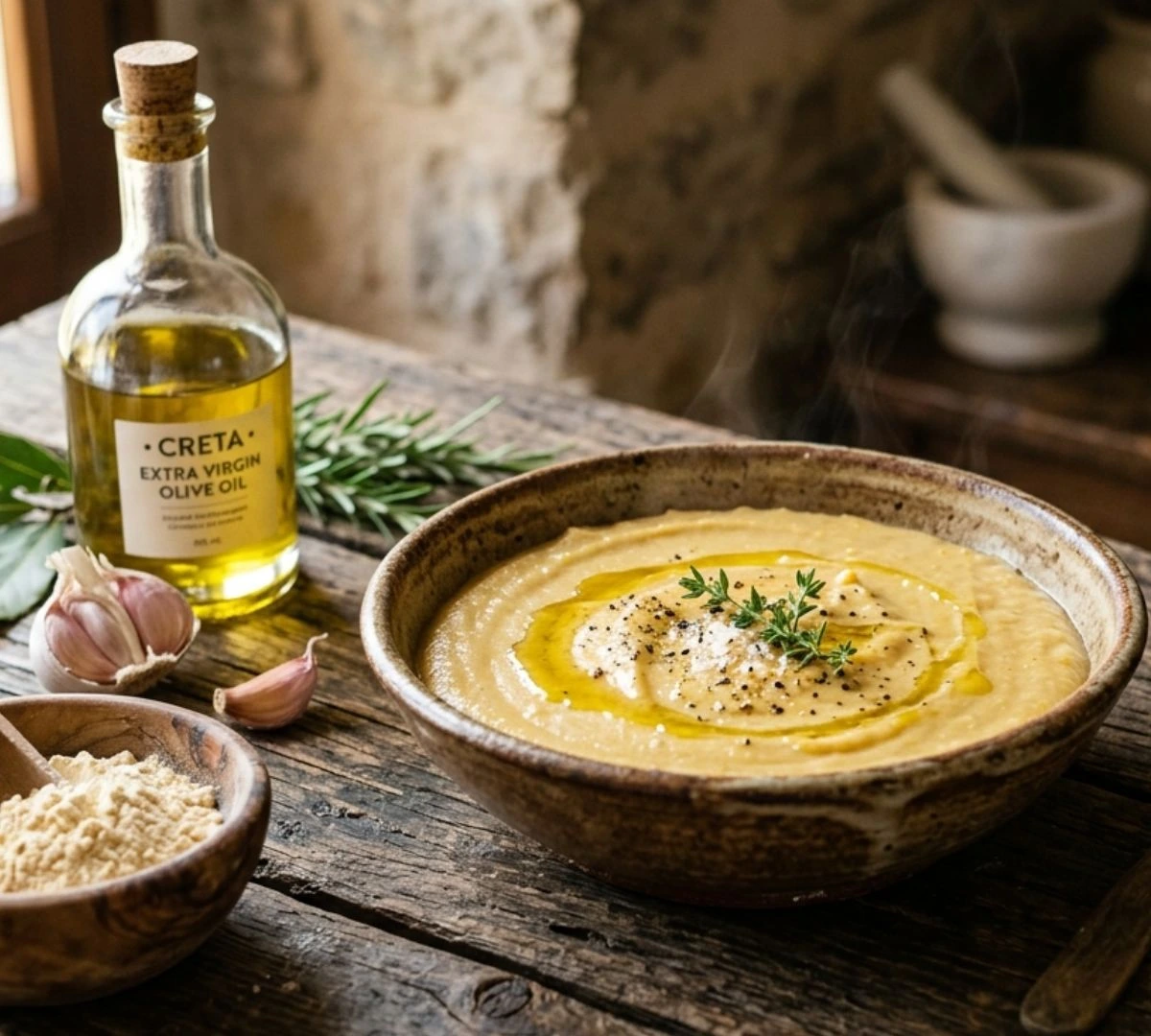
Palentu is a traditional Mediterranean dish made from chickpea flour, olive oil, garlic, and herbs, cooked into a thick porridge-like meal.
It is:
• high in plant protein
• rich in fiber
• naturally gluten-free
• minimally processed
Unlike modern packaged foods, Palentu is completely natural and whole-food based
👉 Think of it as:
“Protein-rich polenta made from chickpeas instead of corn”
Palentu vs Polenta (Important Difference)
Many people confuse Palentu with polenta — but they are not the same.
| Feature | Palentu | Polenta |
|---|---|---|
| Main ingredient | Chickpea flour | Cornmeal |
| Protein | High | Low |
| Origin | Ancient Mediterranean | Post-Columbus Europe |
| Nutrition | More balanced | Carb-heavy |
👉 Key takeaway:
Palentu is nutritionally superior because of chickpeas
The Ancient History of Palentu
Palentu dates back to ancient Mediterranean civilizations, even before corn existed in Europe.
• Romans used chickpeas as a staple food
• Farmers relied on it during food shortages
• It sustained communities during poverty and hardship
In Calabria (Southern Italy), Palentu became:
👉 A survival food that turned into cultural heritage
Why Palentu Is Called a “Power Food”
Palentu earned this title long before modern nutrition science existed.

1. High Plant Protein
• Supports muscle repair
• Provides long-lasting energy
2. Complex Carbohydrates
• Slow digestion = steady energy
• No sudden sugar crashes
3. Rich in Fiber
• Improves digestion
• Supports gut health
4. Healthy Fats
• Olive oil provides heart-friendly fats
5. Essential Minerals
• Iron → energy
• Magnesium → muscle function
• Potassium → hydration balance
👉 This is why Palentu kept workers energized all day
Nutritional Benefits of Palentu (Modern Perspective)
Today, Palentu fits perfectly into modern diets:
✔ Plant-based
✔ Gluten-free
✔ Low processed
✔ Sustainable
It aligns with:
• Mediterranean diet
• Vegan diet
• Clean eating lifestyle
👉 Science now confirms what ancient people already knew
To learn yoga in depth, explore our courses below.
How to Make Palentu (Step-by-Step Recipe)
Ingredients:
• Chickpea flour
• Water
• Olive oil
• Garlic
• Salt
• Herbs (rosemary, fennel, bay leaves)
Steps:
• Boil water in a pot
• Slowly add chickpea flour while stirring
• Add olive oil, garlic, and salt
• Cook for 30–45 minutes
• Stir continuously to avoid lumps
• Cook until thick and smooth
👉 Result: creamy, dense, nutrient-rich meal
Ways to Eat Palentu
Palentu is extremely versatile:
• Soft and warm in a bowl
• Cooled and sliced
• Pan-fried for crisp texture
• Grilled over flame
Popular Pairings:
sautéed vegetables
mushrooms
cheese
herbs
stews
👉 Nothing goes to waste — a key feature of ancient diets
Cultural Significance of Palentu
Palentu is more than food.
It represents:
• resilience
• survival
• tradition
In Calabria:
• recipes passed through generations
• cooked during festivals
• symbol of community living
👉 It tells a story of people who thrived with simplicity
Why Ancient Foods Like Palentu Matter Today
Modern diets are full of:
• processed foods
• refined sugar
• artificial ingredients
Ancient foods like Palentu offer:
• natural nutrition
• sustainability
• simplicity
👉 Chickpeas even improve soil health
👉 Require less water than meat production
Looking for short yoga program?
Check out below our:
Palentu in Modern Diet Trends
Today, Palentu fits into:
• Vegan diets
• Mediterranean diet
• Clean eating
• Sustainable nutrition
Chefs now serve it with:
• gourmet toppings
• fusion dishes
• modern plating
👉 From “poor man’s food” → premium health food
Final Thought: The Legacy of Palentu
Palentu proves one powerful idea:
👉 The simplest foods are often the most powerful
It doesn’t rely on:
• fancy ingredients
• complex techniques
Instead, it delivers:
• balanced nutrition
• long-lasting energy
• cultural richness
FAQ Section
What is Palentu made of?
Palentu is made from chickpea flour, water, olive oil, garlic, and herbs.
Is Palentu healthy?
Yes, it is rich in protein, fiber, healthy fats, and essential minerals.
Is Palentu gluten-free?
Yes, it is naturally gluten-free because it uses chickpea flour.
What is the difference between Palentu and polenta?
Palentu uses chickpeas, while polenta uses corn. Palentu is higher in protein.
Can Palentu be eaten cold?
Yes, it can be cooled, sliced, and even fried or grilled.
Is Palentu vegan?
Yes, it is completely plant-based.
Why is Palentu called a power food?
Because it provides long-lasting energy, balanced nutrition, and sustained communities for centuries.
Check out our Retreats in Rishikesh for Beginners and intermediates: