How to Choose the Best Yoga School in Rishikesh: A Complete Guide for Yoga Teacher Training

Every year thousands of yoga students travel to Rishikesh, India, to deepen their practice and study the ancient science of yoga.
Located at the foothills of the Himalayas and beside the sacred Ganges River, Rishikesh has long been known as the Yoga Capital of the World. The town is home to many ashrams and yoga schools offering yoga teacher training, meditation programs, yoga retreats, and philosophy studies.
But with so many options available, one common question arises:
How do you choose the best yoga school in Rishikesh?
For students traveling from Europe, the United States, Australia, and other parts of the world, selecting the right school is an important decision. A good yoga school can provide deep knowledge, supportive teachers, and a transformative experience.
This guide explains what to look for when choosing a yoga school in Rishikesh, based on traditional yogic principles, student experiences, and professional training standards.
Quick Summary: What Makes a Great Yoga School?
When choosing a yoga school in Rishikesh, consider these key factors:
- Experienced and authentic teachers
- Balanced curriculum covering asana, pranayama, meditation, and yoga philosophy
- Small class sizes and personal guidance
- Programs aligned with Yoga Alliance standards
- A peaceful learning environment near nature
- Honest student reviews and testimonials
- A school that supports a true yoga lifestyle
These factors often matter more than flashy marketing or luxury facilities.
Why Rishikesh Is One of the Best Places to Study Yoga
Before choosing a school, it helps to understand why Rishikesh is globally respected for yoga education.
For centuries, yogis, sages, and spiritual seekers have come to this Himalayan town to study ancient teachings.
Many traditional yoga practices developed in this region, including:
- Meditation traditions
- Pranayama breathing techniques
- Yogic philosophy
- Ayurvedic lifestyle practices
The peaceful natural surroundings also support deep learning and self-reflection.
What Students Experience in Rishikesh
Students often describe the atmosphere as:
- spiritual yet welcoming
- calm and introspective
- focused on personal growth
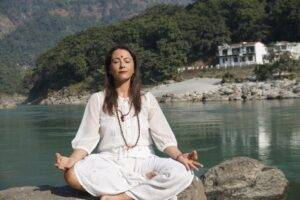
Practicing morning meditation by the Ganges or studying philosophy in the quiet Himalayan environment can create a powerful connection to yoga’s roots.
Key Factors to Consider When Choosing a Yoga School in Rishikesh
Below are the most important criteria experienced practitioners recommend.
1. Qualified and Experienced Yoga Teachers
The quality of your teachers is the most important factor in any yoga teacher training program.
A good yoga teacher should have:
- many years of personal practice
- teaching experience with international students
- deep knowledge of yoga philosophy and anatomy
- ability to guide students safely in asana practice
In traditional yoga, teachers are often respected not only for their knowledge but also for their humility and dedication to the practice.
Students should feel comfortable asking questions and receiving individual guidance.
2. A Well-Balanced Yoga Curriculum
A comprehensive yoga training program should include several areas of study.
Core Subjects in Quality Yoga Training
Subject | What You Learn |
Asana Practice | Alignment, posture techniques, sequencing |
Pranayama | Breathing methods that regulate energy |
Meditation | Mindfulness and concentration practices |
Yoga Philosophy | Teachings from classical yogic texts |
Anatomy | Understanding the body and injury prevention |
Teaching Methodology | How to guide safe yoga classes |
A good curriculum helps students understand that yoga is much more than physical exercise.
3. Yoga Alliance Recognition
Many yoga schools offer programs aligned with Yoga Alliance, an international organization that sets standards for yoga teacher training.
While Yoga Alliance registration is not the only indicator of quality, it helps ensure that the program includes:
- minimum training hours
- structured curriculum
- qualified instructors
Students who complete recognized training programs can later register as certified yoga teachers.
4. Authentic Yogic Environment
The environment of the school plays a big role in your learning experience.
In traditional yoga education, the setting often includes:
- quiet surroundings
- vegetarian meals
- supportive community
- time for meditation and reflection
Many schools in Rishikesh are located near the Himalayan foothills or the banks of the Ganges, which creates a peaceful atmosphere for daily practice.
Students often find that this environment naturally supports a balanced yoga lifestyle.
5. Small Class Sizes and Personal Attention
Yoga teacher training is an intensive experience.
When class sizes are too large, it becomes difficult for teachers to provide personal feedback.
Smaller groups allow students to:
- receive individual alignment adjustments
- ask questions freely
- practice teaching in a supportive environment
Personal attention can make a big difference in both learning quality and confidence.
6. Honest Student Reviews and Testimonials
Reading student experiences can provide valuable insight into the school’s atmosphere.
Look for reviews that mention:
- supportive teachers
- clear teaching methods
- balanced curriculum
- positive learning environment
Authentic reviews often describe personal transformation, friendships formed during training, and deeper understanding of yoga.
7. Accommodation and Food
Comfortable living conditions are important for longer programs.
Many yoga schools provide:
- private or shared rooms
- vegetarian or yogic meals
- peaceful study spaces
A healthy diet is also an important part of yoga training. Many schools incorporate Ayurvedic principles, offering simple meals designed to support digestion and energy during daily practice.
8. Opportunities for Meditation and Self-Reflection
Yoga teacher training is not only about learning to teach yoga.
It is also a personal journey that encourages:
- self-awareness
- emotional growth
- mindfulness
Programs that include regular meditation sessions, silence practices, and philosophy discussions help students explore yoga on a deeper level.
Types of Yoga Programs Available in Rishikesh
Different programs serve different goals.
Common Yoga Programs
Program | Purpose |
100 Hour Training | Introductory training and foundation |
200 Hour Training | Foundational teacher certification |
300 Hour Training | Advanced yoga study |
500 Hour Training | Comprehensive advanced training |
Yoga Retreats | Short immersion in yoga and meditation |
Many students begin with a short yoga retreat to experience the environment before committing to longer teacher training.
Looking for short yoga program?
Check out below our:
Common Mistakes When Choosing a Yoga School
Some students focus on the wrong criteria when selecting a school.
Mistakes to Avoid
- Choosing based only on price
- Prioritizing luxury accommodation over teacher quality
- Ignoring curriculum details
- Not reading student reviews
- Expecting yoga training to feel like a vacation
Yoga teacher training is an intensive learning experience, not simply a retreat.
What a Typical Day in Yoga Training Looks Like
Most programs follow a structured daily schedule.
Example Daily Schedule
- Early morning meditation
- Pranayama breathing practice
- Asana class
- Breakfast
- Anatomy or philosophy lecture
- Teaching methodology session
- Afternoon practice
- Evening meditation
This routine allows students to experience yoga as a complete lifestyle practice.
To learn yoga in depth, explore our courses below.
Real Experiences Students Often Share
Students who complete yoga teacher training in Rishikesh often report:
- increased physical strength
- improved mental clarity
- deeper understanding of yoga philosophy
- meaningful friendships with students from around the world
Many say the experience helped them reconnect with themselves and find balance in daily life.
People Also Ask
Is Rishikesh the best place to learn yoga?
Rishikesh is widely considered one of the best places to study yoga because it has deep roots in traditional yogic teachings. The spiritual environment, experienced teachers, and Himalayan setting create an ideal atmosphere for learning yoga philosophy, meditation, and asana practice.
How do I choose the right yoga school in Rishikesh?
Look for schools with experienced teachers, a balanced curriculum, small class sizes, and transparent reviews. A peaceful learning environment and programs aligned with Yoga Alliance standards can also indicate quality training.
Can beginners join yoga teacher training in Rishikesh?
Yes. Many yoga schools welcome beginners who want to deepen their understanding of yoga. Students do not need to be advanced practitioners, but they should be open to daily practice and disciplined study.
How long does yoga teacher training last?
The most common training is the 200-hour program, which usually takes about three to four weeks to complete. Advanced programs may take longer depending on the curriculum.
What do you learn during yoga teacher training?
Students learn yoga postures, breathing techniques, meditation practices, anatomy, teaching methods, and classical yoga philosophy.
Is yoga teacher training physically difficult?
Yoga training can be physically demanding because it includes daily practice and study. However, programs are designed to support students of different fitness levels.
Why do people travel to India for yoga?
India is the birthplace of yoga. Many students come to India to study traditional teachings and experience yoga in its original cultural context.
What is the difference between a yoga retreat and yoga teacher training?
A yoga retreat focuses on relaxation and personal wellbeing, while yoga teacher training is a structured educational program designed to deepen knowledge and develop teaching skills.
Key Takeaways
- Rishikesh is one of the most respected destinations in the world for studying yoga.
- Choosing the right yoga school depends on teachers, curriculum, and learning environment.
- Authentic yoga training includes asana, pranayama, meditation, and philosophy.
- Smaller classes and experienced teachers often provide the best learning experience.
- Yoga teacher training is both an educational journey and a path of personal transformation.
Final Thoughts
Choosing a yoga school is an important step in your yoga journey.
A supportive learning environment, knowledgeable teachers, and a balanced curriculum can make the experience deeply meaningful.
For many students, studying yoga in Rishikesh, surrounded by the natural beauty of the Himalayas and the spiritual atmosphere of the Ganges, becomes a transformative chapter of life.
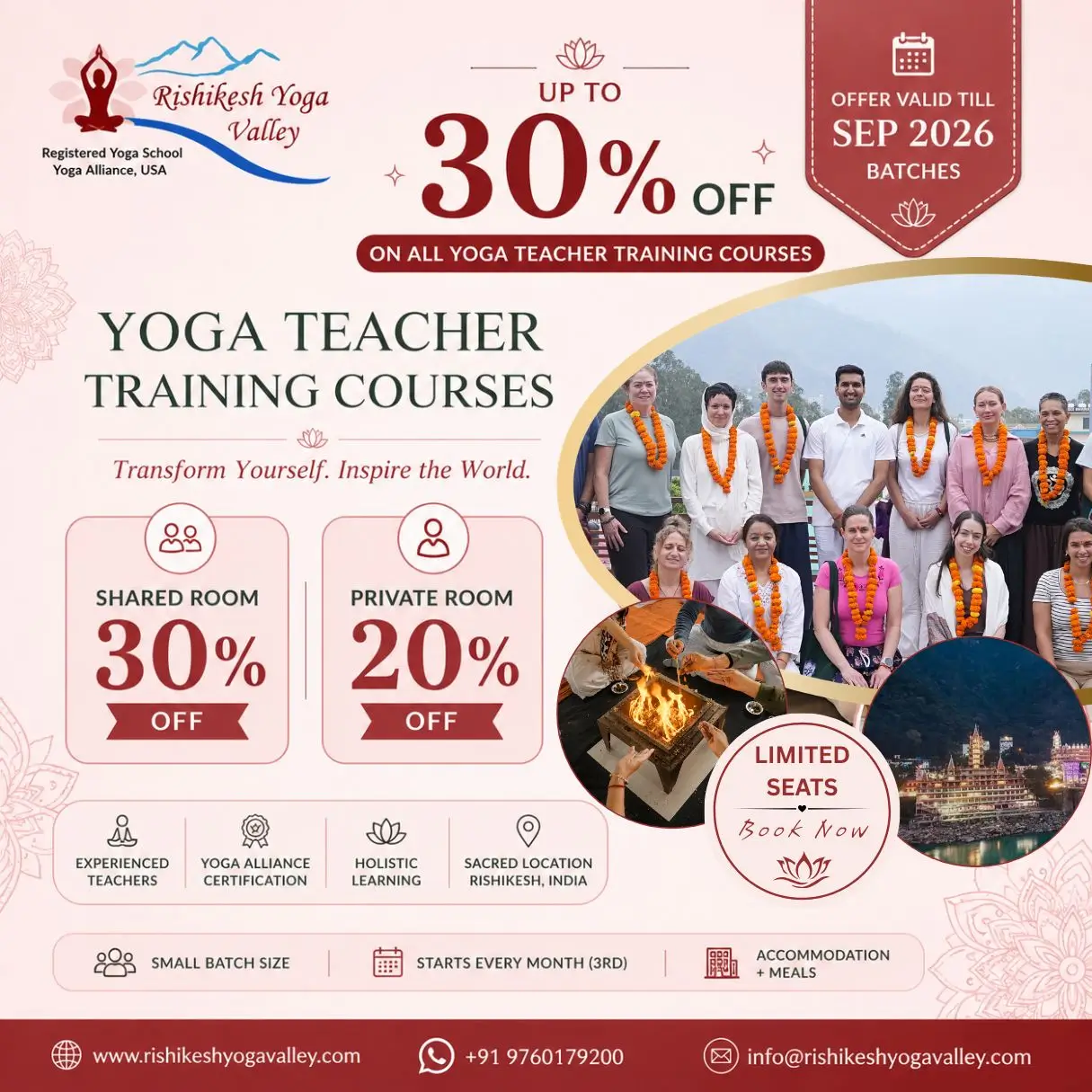
Schools such as Rishikesh Yoga Valley offer programs where students can explore yoga through structured teacher training courses or shorter retreat experiences in a peaceful Himalayan setting.
The most important thing is to approach the experience with curiosity, dedication, and an open mind.
Yoga is ultimately a lifelong path of learning and self-discovery.
FAQs
How do I choose the best yoga school in Rishikesh?
Look for experienced teachers, a balanced curriculum, small class sizes, transparent reviews, and programs aligned with Yoga Alliance standards.
Is Rishikesh good for yoga teacher training?
Yes. Rishikesh is considered the global capital of yoga and offers access to traditional teachings, experienced instructors, and a peaceful Himalayan environment.
Can beginners attend yoga teacher training in Rishikesh?
Yes. Many programs are suitable for beginners who want to deepen their understanding of yoga.
How long is yoga teacher training in Rishikesh?
The most common training program is a 200-hour course lasting around three to four weeks.
Check out our Retreats in Rishikesh for Beginners and intermediates: