
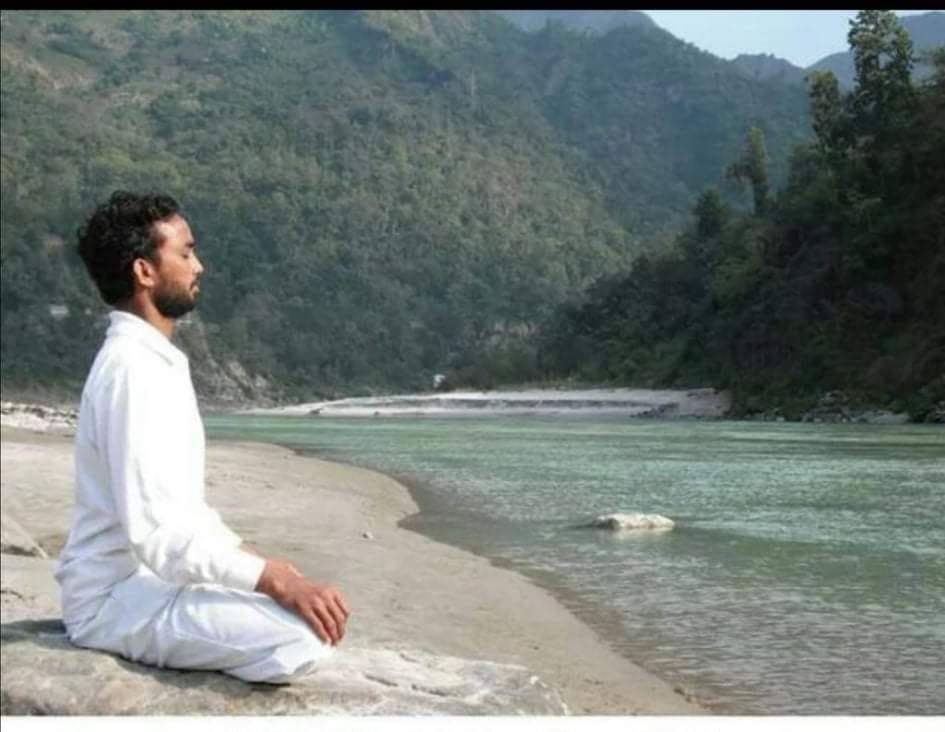
There’s a reason so many traditions point to sunrise and sunset as the best times to sit: it’s not superstition, it’s biology. Your mind is naturally quieter in the transition hours — the world hasn’t fully woken up yet, or it’s beginning to settle down. That stillness outside makes stillness inside easier to find.
Why Morning and Evening Work Best
At dawn, before the day’s demands have started pulling at your attention, the mind hasn’t yet picked up its usual noise. At dusk, after a full day, sitting quietly helps the nervous system downshift before sleep. Neither hour is magic on its own — what matters is that both naturally support a calmer state, which is exactly the condition meditation asks for.
The Value of a Fixed Routine
It’s less about finding the “perfect” moment and more about returning to the same time, every day, whether or not you feel like it. A fixed routine trains the mind to settle faster over time — the body and mind learn to recognize the hour itself as a cue to go inward. Consistency does more for a meditation practice than intensity ever will.
Build a Steady Practice in Rishikesh
The right routine is easier to build with guidance. At Rishikesh Yoga Valley, meditation is practiced daily as part of a structured rhythm — something you can take home and keep long after your time here ends.
Explore our Meditation Retreat in Rishikesh