
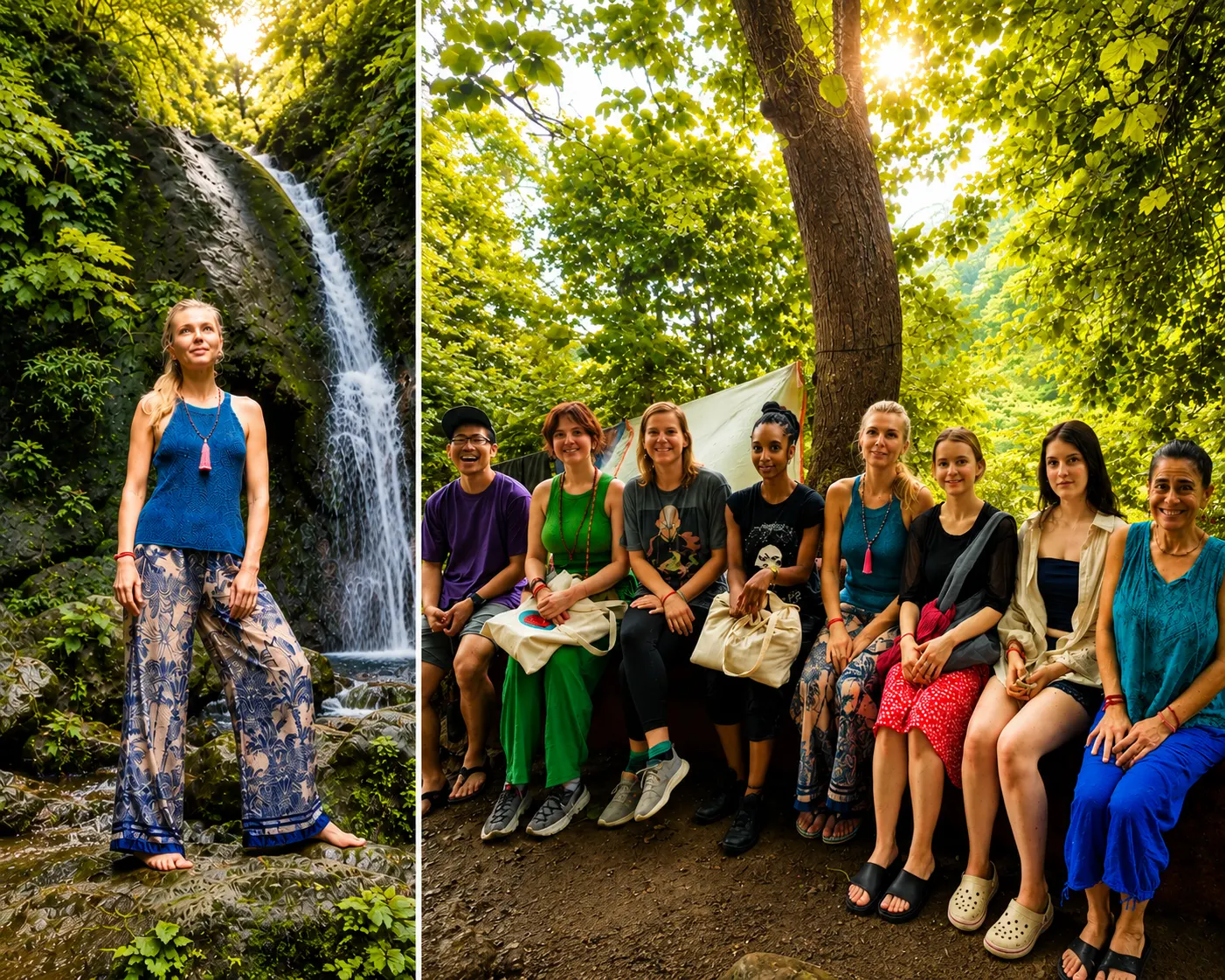
Booking a yoga retreat in Rishikesh usually starts with the easy decisions – the dates, the budget, maybe the style of yoga you’re most drawn to. The harder question is one people often don’t think about until they’re already scrolling through options: do you go alone, or do you join a group?
Both paths lead to Rishikesh, and both can be genuinely transformative. But they offer very different experiences, and picking the one that actually matches what you need is what separates a retreat that changes something in you from one that just feels like a nice week away. Here’s an honest comparison.
What "Solo" Actually Means on a Retreat
Going on a retreat solo doesn’t usually mean you’re alone the entire time – most retreat centers, including ours, house solo travelers within the same shared schedule, meals, and communal spaces as everyone else. What “solo” really means is that you arrived without a built-in group, and the experience is shaped entirely around your own pace, rather than around navigating a pre-existing group dynamic.
The Case for Going Solo
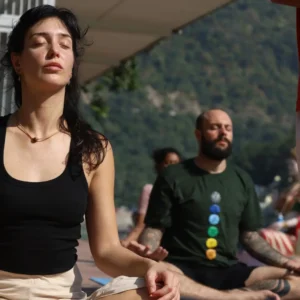
You set your own rhythm. Without friends or a travel partner pulling you toward socializing, sightseeing, or a particular schedule, you’re free to lean as deeply into the practice, the silence, or the reflection as you actually want to.
It’s often the fastest path to real self-discovery. There’s a well-documented reason solo retreats attract people going through a life transition – a career change, a breakup, a burnout recovery. Without the buffer of familiar company, you’re left with your own thoughts far more directly, which is uncomfortable at first but tends to be exactly where the real growth happens.
You’ll still make genuine connections. Almost everyone who arrives solo to a retreat leaves with real friendships – shared meals, shared early mornings, and shared physical effort build closeness quickly, often faster than people expect. You’re never actually isolated; you’re just unattached to any one person or group when you arrive.
It’s less complicated logistically. No group chat to coordinate, no compromising on which sessions to attend, no navigating someone else’s energy or mood on a given day. Your only responsibility is showing up for yourself.
Who Solo Suits Best
- Anyone navigating a significant life transition and wanting real space to process it
- People who feel their regular life is too noisy and crave genuine solitude, even temporarily
- First-time retreat-goers who are a little nervous about group dynamics and want the freedom to ease in at their own pace
- Anyone who has been wanting to travel to India but hasn’t had a travel companion available
What "Group" Actually Means on a Retreat
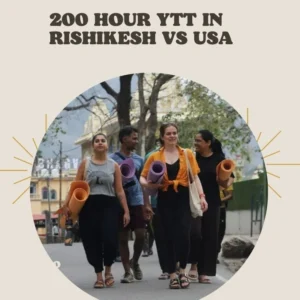
A group retreat means you’re arriving with an existing set of people – friends, a partner, coworkers, or a community you already belong to – who book and travel together, and often room together or sit through sessions as a unit.
The Case for Going as a Group
Shared experience deepens relationships. Going through early mornings, physically demanding sequences, and unfamiliar food together tends to create a different kind of bond than everyday life allows for. Many groups describe their retreat as one of the most meaningful shared experiences they’ve had with the people they traveled with.
There’s built-in comfort and confidence. Trying something unfamiliar – a foreign country, an intensive yoga schedule, silence practices – is simply easier for many people with familiar faces nearby. This makes group retreats a natural entry point for people who’d otherwise be too hesitant to try one at all.
You process the experience together, not just during it. Unlike a solo retreat where the insights stay internal until you return home and try to explain them to people who weren’t there, a group retreat gives you people who lived the same shifts alongside you – which makes integrating what you learned, once you’re back in daily life, considerably easier.
It can be genuinely fun. Group retreats tend to carry a lighter, more social energy than solo ones – laughter over meals, shared excursions on days off, inside jokes that form over a week of shared mornings. If your goal is connection and enjoyment as much as growth, this matters.
Who Group Suits Best
- Couples wanting a shared, meaningful experience together rather than separate individual ones
- Friend groups or work teams looking to deepen an existing bond through something outside ordinary life
- First-time travelers to India who feel more confident navigating a new country with familiar people nearby
- Anyone whose main goal is connection and shared memory-making, not primarily solitude
The Trade-Offs Worth Being Honest About
Neither format is strictly better – each comes with a real trade-off:
Solo retreats can occasionally feel isolating in the first day or two, before the natural community of a retreat forms around you. If you’re someone who genuinely struggles with unstructured alone time, that adjustment period is worth being prepared for.
Group retreats can sometimes dilute the depth of individual reflection – it’s easy to slip into socializing during moments meant for quiet processing, especially with close friends around who know exactly how to make you laugh at the wrong moment. Group dynamics can also occasionally create friction if people in the group want different things from the week.
A Third Option: Solo Booking, Group Energy
It’s worth knowing this isn’t strictly binary. Most retreat centers – ours included – naturally create a group experience for solo travelers through shared meals, shared schedules, and communal downtime, even though each person booked independently. In practice, many solo travelers end up with something close to the connection of a group retreat, plus the individual freedom of arriving without any prior attachments. If you’re torn between wanting company and wanting independence, arriving solo to a retreat that’s structured around community, rather than isolation, is often the best of both.
So, Which Should You Choose?
Ask yourself honestly: are you seeking space to hear your own thoughts clearly, or are you seeking a shared experience to deepen a bond you already have? Neither answer is wrong – they’re just different goals, and Rishikesh genuinely serves both beautifully.
If you’re still unsure, it’s worth remembering that a retreat built around structure and community – like ours – tends to soften the sharpest edges of either choice: solo travelers are never truly alone, and groups still get real individual space within the daily schedule.
Whichever direction fits you, our retreat programs in Rishikesh are designed to hold space for both solo travelers and groups equally – with a daily rhythm built around genuine practice, whether you arrived on your own or with people you already know.