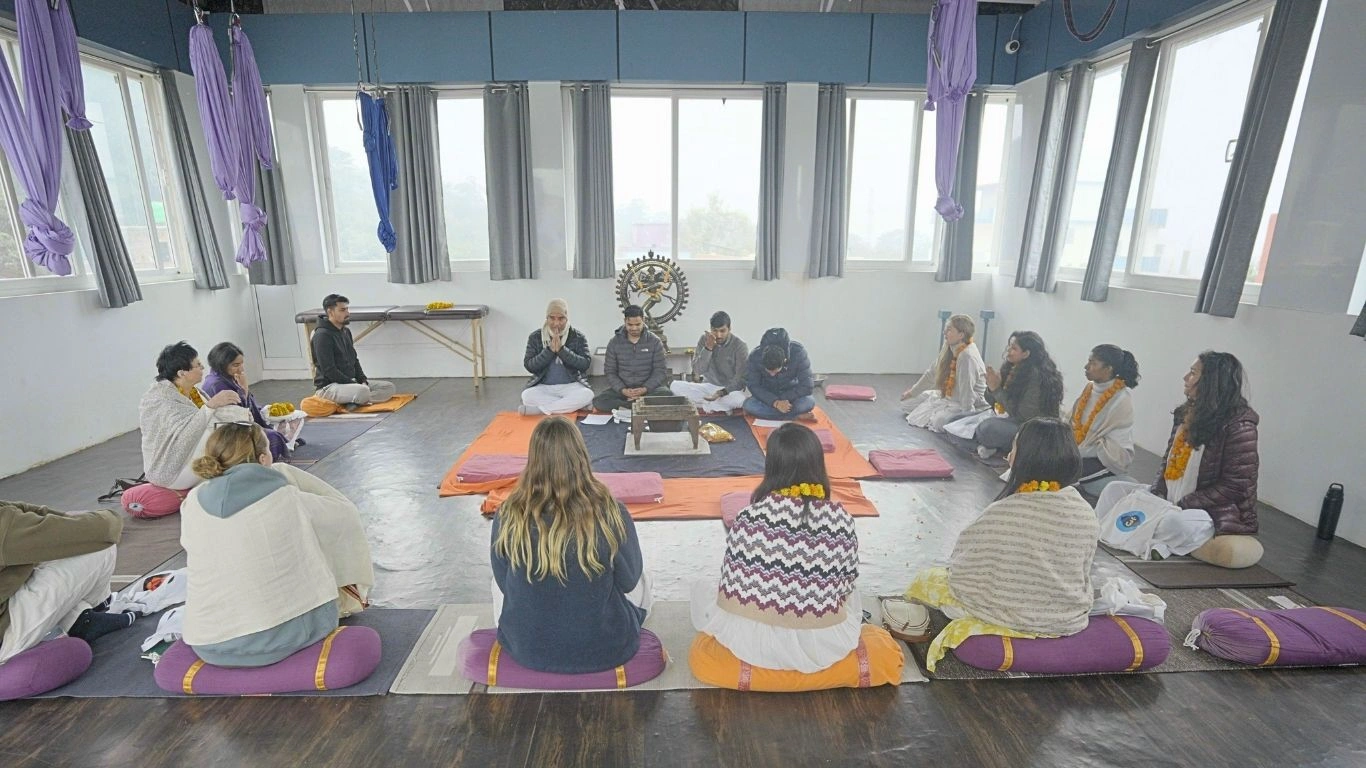

How a 200 Hour Yoga Teacher Training Can Change Your Life: Honest Expectations
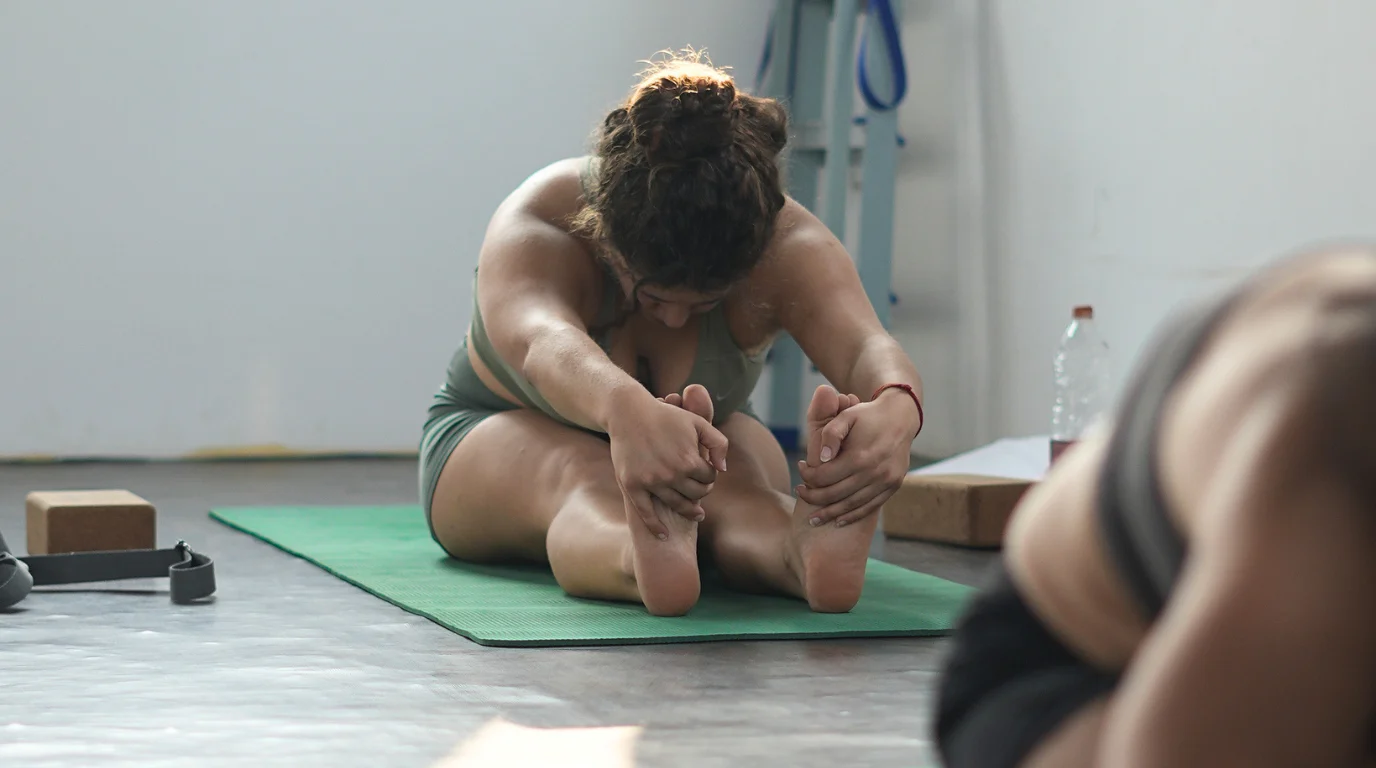
People often ask,
“Will a 200 Hour Yoga Teacher Training change my life?”
It’s an understandable question.
Taking several weeks away from home, investing your time, energy, and money, and stepping into an unfamiliar environment naturally leads to high expectations.
The honest answer is both simple and nuanced.
A yoga teacher training can be deeply meaningful.
But it isn’t magic.
It doesn’t solve every problem.
It doesn’t guarantee permanent happiness.
And it certainly doesn’t transform someone overnight.
What it can do is create the conditions for meaningful change.
Daily practice.
Consistent routine.
Thoughtful conversations.
Constructive feedback.

Time away from familiar distractions.
Those elements, experienced together over several weeks, often help people notice things about themselves that are easy to overlook during everyday life.
The changes aren’t always dramatic.
In fact, many of the most lasting ones are surprisingly quiet.
This guide explores the kinds of changes graduates commonly describe—not as promises, but as realistic possibilities that depend on how you engage with the experience.
The First Change Usually Isn't Physical
People often expect their bodies to change first.
Sometimes they do.
Flexibility improves.
Balance becomes steadier.
Strength develops gradually.
But something else often happens before any of that becomes obvious.
Students begin paying attention.
To how they stand.
How they breathe.
How they react when something feels difficult.
How often they rush through the day without noticing.
Awareness is subtle.
Unlike flexibility, you can’t measure it with a photograph.
Yet it quietly influences almost everything else that follows.
You Begin Listening to Your Body Instead of Fighting It
As machines become faster, humans are tempted to mirror them—working longer, thinking faster, consuming endlessly. Stress, anxiety, and burnout are the “side effects” of trying to compete with a computer.
Here is where yoga steps in:
Breath vs. Algorithm – Breath anchors you to the present, beyond calculation.
Asana vs. Automation – Postures remind you that your body is not a machine but a living temple.
Meditation vs. Machine Learning – Meditation sharpens awareness, something no algorithm can replace.
Yoga is not just an antidote to machine life; it is a reminder that humanity is not measured in efficiency, but in consciousness.
From the Yoga Hall
One of the quieter moments in every course happens during the second or third week.
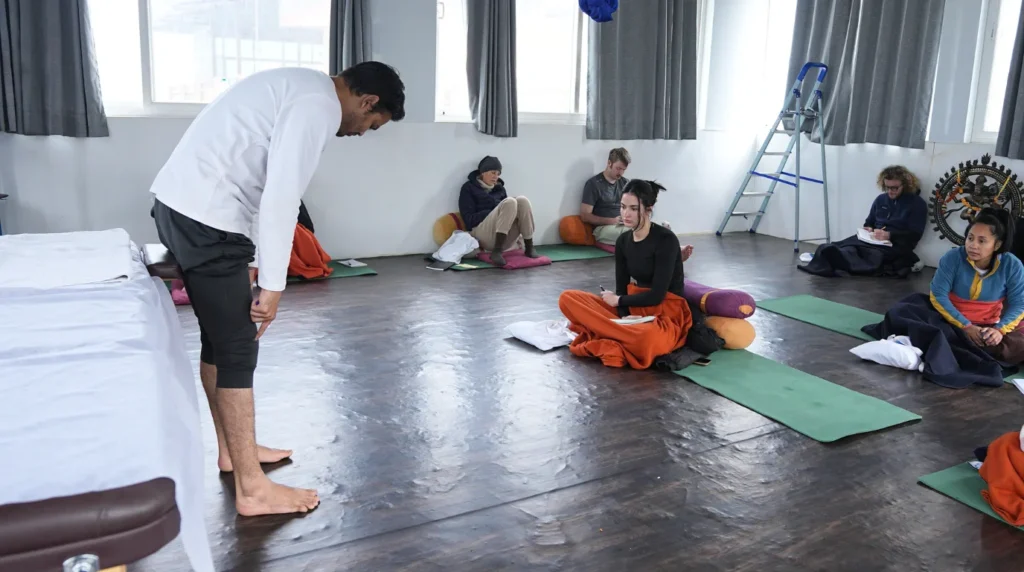
A teacher offers an adjustment.
A student pauses.
Instead of immediately trying to go deeper into the posture, they take a slower breath and slightly soften their effort.
The pose actually becomes more stable.
It seems like a small change.
But it’s also a lesson that reaches far beyond yoga.
Progress isn’t always created by pushing harder.
Sometimes it comes from paying closer attention.
Confidence Grows in Unexpected Ways
Many students imagine confidence appears the first time they teach a class.
Sometimes it does.
More often, it develops gradually.
The first time you explain a posture clearly.
The first time you answer a classmate’s question.
The first time you realise you’re no longer afraid of speaking in front of the group.
These moments are easy to overlook while they’re happening.
Looking back, they often mark important shifts.
Confidence grows through repetition, not perfection.
Your Relationship With Routine Begins to Change
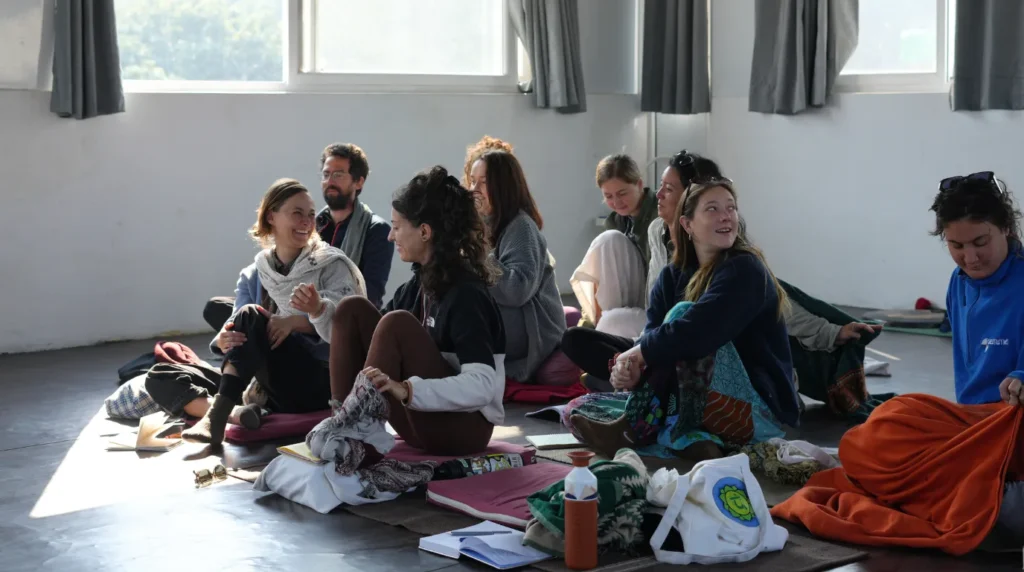
One of the biggest adjustments during teacher training is following a structured daily schedule.
Early mornings.
Regular meals.
Dedicated study time.
Consistent practice.
At first, the routine can feel demanding.
After a while, many students discover something unexpected.
Decision fatigue begins to fade.
Instead of constantly wondering what to do next, they settle into a rhythm.
Some graduates later bring parts of that routine back into their daily lives—not because they have to, but because they experienced how much calmer life felt with greater consistency.
Emotional Resilience Often Develops Before You Notice It
One of the most meaningful changes after a 200 Hour Yoga Teacher Training isn’t something you can see in the mirror.
It’s something you begin to notice in everyday situations.
Perhaps a stressful day at work no longer feels quite as overwhelming.
Perhaps you pause before reacting during a difficult conversation.
Perhaps you recognize when your breathing becomes shallow and naturally slow it down.
These moments don’t usually happen because someone tells you to stay calm.
They happen because weeks of consistent practice have gradually changed how you respond to stress.
The goal of yoga isn’t to remove challenges from your life.
It’s to help you meet them with greater awareness.
Your Definition of Progress Begins to Change
Before joining a teacher training, many students measure progress in visible ways.
Holding a posture longer.
Becoming more flexible.
Learning more advanced asanas.
Those achievements are satisfying.
But as the course unfolds, another perspective often develops.
Progress becomes less about doing more and more about understanding more.
You begin noticing the quality of your breath.
The steadiness of your attention.
Your ability to remain patient when something doesn’t come easily.
These are quieter forms of progress.
Yet they often have a greater influence on everyday life than any single posture.
Your Relationship With Rest May Improve
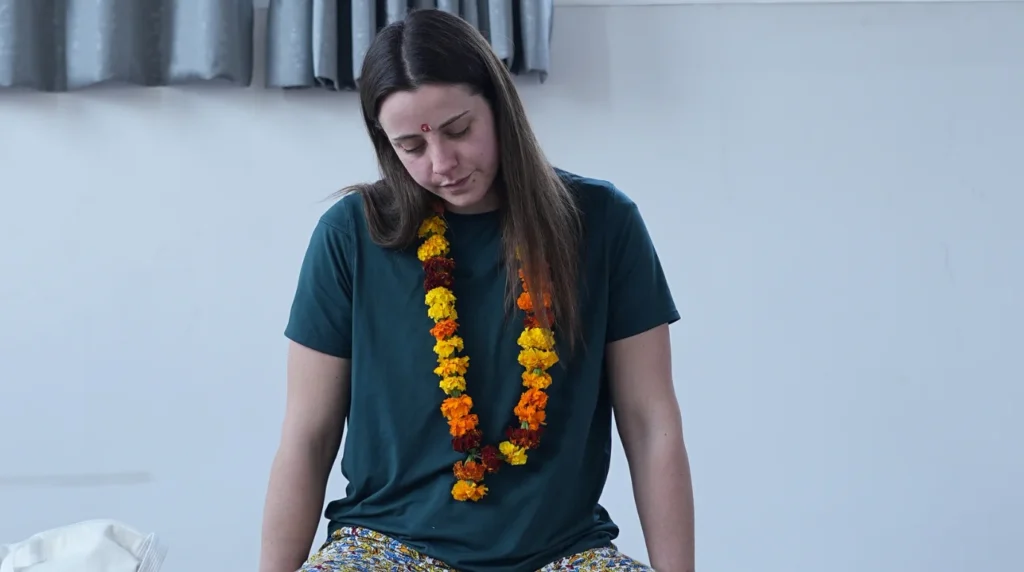
Modern life often celebrates constant productivity.
Teacher training introduces another idea.
Recovery is part of practice.
Students who once felt guilty about resting sometimes discover that good sleep, nourishing meals, and moments of stillness help them learn more effectively.
This shift can continue after returning home.
Rather than viewing rest as something earned only after exhaustion, many graduates begin seeing it as an essential part of maintaining physical and mental wellbeing.
You May Become More Comfortable With Simplicity
During a training in Rishikesh, daily life often becomes surprisingly uncomplicated.
You wake up.
Practice.
Study.
Eat.
Rest.
Talk with classmates.
Repeat.
Without constant distractions, many students realize how little they actually need to feel fulfilled.
That doesn’t mean everyone returns home and changes their lifestyle dramatically.
But many do become more intentional.
They spend less time rushing.
More time paying attention.
They appreciate simple routines that once seemed ordinary.
From the Yoga Hall
There’s a moment that teachers often notice near the end of a course.
During the first week, students usually rush out of the yoga hall as soon as class finishes.
By the final week, something has changed.
Many stay behind.
Some continue discussing philosophy.
Others practice teaching together.
A few simply sit quietly on their mats for a few extra minutes.
No one asks them to stay.
They choose to.
It’s a small observation, but it reflects something deeper.
When people stop seeing yoga as another task to complete, they begin experiencing it as a way of paying attention.
Professional Growth Isn't Limited to Teaching Yoga
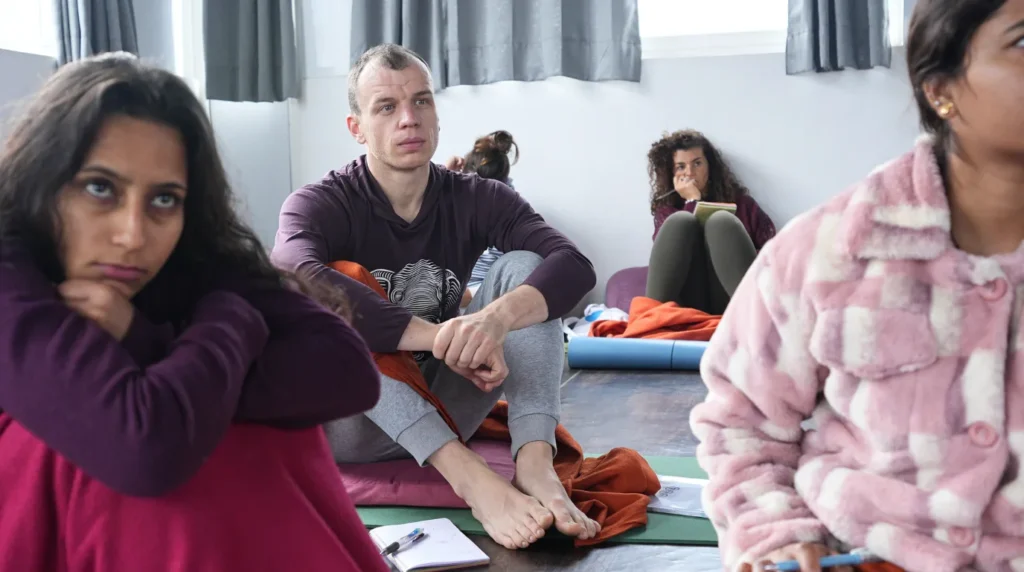
A 200 Hour Yoga Teacher Training certainly prepares many graduates to begin teaching.
But its influence often extends into careers that have nothing to do with yoga.
We’ve seen graduates return to roles in healthcare, education, business, design, hospitality, engineering, and many other professions.
What changes isn’t always the job.
It’s often the way they approach it.
Some become more confident speaking in front of groups.
Others improve their ability to listen.
Some discover greater patience while leading teams or working with clients.
The communication skills, discipline, and self-awareness developed during teacher training can support many different career paths.
What a 200 Hour Yoga Teacher Training Doesn't Change
This may be the most important section in the entire article.
Teacher training doesn’t remove every difficulty from life.
You’ll still have stressful days.
You’ll still make mistakes.
You’ll still face uncertainty.
The difference is that you may respond differently.
Yoga doesn’t promise a life without challenges.
It offers practices that can help you meet those challenges with greater steadiness.
That distinction matters.
It keeps expectations realistic and allows the experience to be appreciated for what it genuinely offers.
Looking Back Six Months Later
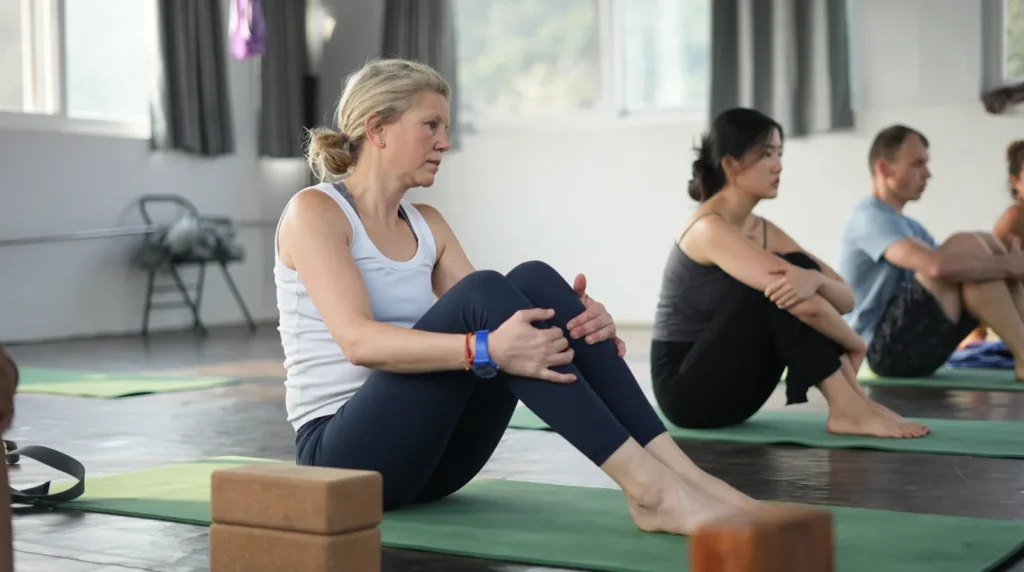
If you asked graduates immediately after receiving their certificates,
“How has this experience changed you?”
Many would probably mention what happened during the course.
Ask the same question six months later.
The answers often become more thoughtful.
“I still practice every morning.”
“I handle stressful situations differently.”
“I finally started teaching a small weekly class.”
“I pay much more attention to my posture while working.”
“I don’t react as quickly when something goes wrong.”
Interestingly, the changes people value most are often the ones they never expected before they arrived.
Real Transformation Is Usually Quiet
Popular culture often portrays transformation as something dramatic.
A single moment.
A sudden breakthrough.
A completely different life.
Yoga tends to work differently.
Real transformation is usually gradual.
It appears in small decisions repeated consistently.
Choosing to practice even when motivation is low.
Taking one conscious breath before responding.
Listening instead of reacting.
Showing up again tomorrow.
Those moments rarely become headlines.
But together, they shape lasting change.
Frequently Asked Questions
Will a 200 Hour Yoga Teacher Training change my life?
It can be a meaningful experience, but the outcome depends on how you engage with the course and what you continue practicing afterward. Most lasting changes develop gradually rather than overnight.
What changes do students notice most after graduation?
Many graduates describe greater body awareness, improved confidence, healthier routines, better stress management, and a deeper understanding of yoga beyond physical postures.
Do I have to become a yoga teacher to benefit?
Not at all. Many people join to deepen their personal practice or invest in their own wellbeing. Teaching is one possible path, but it isn’t the only meaningful outcome.
How long do the benefits last?
The habits and perspectives developed during training often continue to evolve after graduation, especially when students maintain a regular practice. Like any skill, the long-term benefits depend on consistency.
Will I be a completely different person afterward?
The habits and perspectives developed during training often continue to evolve after graduation, especially when students maintain a regular practice. Like any skill, the long-term benefits depend on consistency.
Final Thoughts
A 200 Hour Yoga Teacher Training doesn’t promise a new identity.
It doesn’t replace years of experience.
And it doesn’t solve every challenge life presents.
What it can offer is something both simpler and more valuable.
A dedicated period of learning.
A supportive community.
Daily practice.
Honest feedback.
Time to slow down enough to notice how you think, move, breathe, and respond.
The most meaningful changes rarely happen all at once.
They unfold quietly.
Sometimes while you’re still in Rishikesh.
Sometimes weeks after you return home.
Sometimes months later, when you realise you’ve carried a small lesson from the yoga hall into everyday life.
Perhaps that’s why so many graduates remember the experience so fondly.
Not because it changed everything overnight.
But because it changed a few important things that continued to grow long after the course had ended.