Naukasana: Complete Guide to Boat Pose

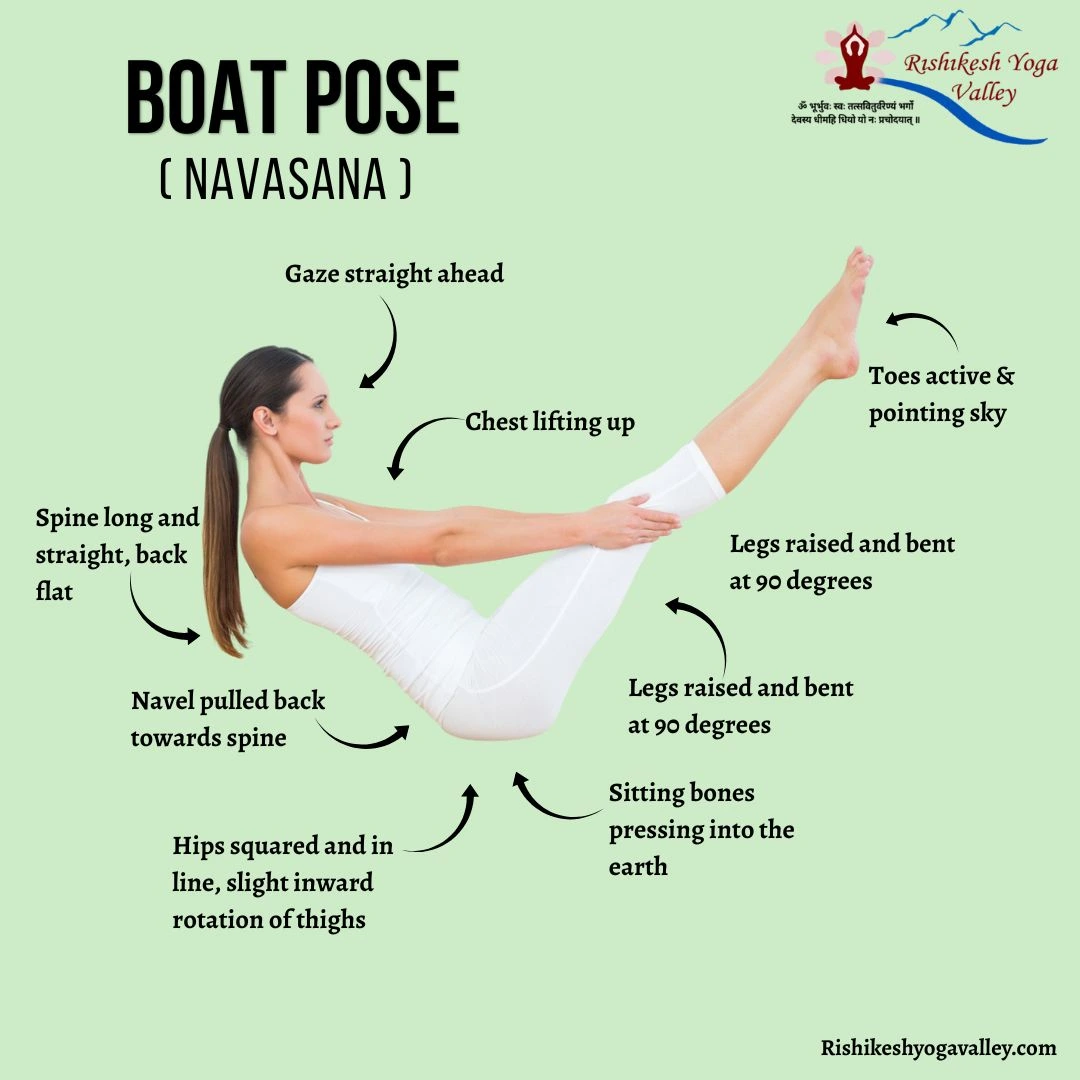
Illustration of Boat Pose (Navasana) yoga posture showing a woman balancing on her sitting bones with legs raised at a 90-degree angle and arms extended forward, including alignment and posture cues.

Yoga helps strengthen the body, improve concentration, and bring balance to everyday life. One powerful core-strengthening posture in yoga is Naukasana, also known as Boat Pose or Navasana. This pose may look simple, but it challenges your balance, stability, and mental focus.

Naukasana activates the abdominal muscles, strengthens the spine, and improves overall body control. It is widely practiced in many yoga styles because of its ability to build both physical and mental endurance.

In this blog, we’ll explore what Naukasana is, how to practice it correctly, its benefits, variations, precautions, and helpful tips to improve your experience with the pose.

What is Naukasana?

The Sanskrit word Nauka means “boat,” and Asana means “pose” or “posture.” In Naukasana, the body balances on the sitting bones while the legs and torso lift to create a shape similar to a boat floating on water.

This posture mainly targets the core muscles while also engaging the hips, thighs, spine, and shoulders. Naukasana teaches stability, control, and breath awareness, making it both physically strengthening and mentally grounding.

How to Do Naukasana (Boat Pose)

Follow these simple steps to practice Boat Pose safely:

1. Start on Your Back

Lie flat on your yoga mat with your legs together and arms resting beside your body.

2. Inhale Deeply

Take a deep breath in and prepare your body for movement.

3. Lift the Upper Body and Legs

As you exhale, simultaneously lift your chest, arms, and legs off the ground.

4. Reach Forward

Stretch your arms toward your feet while keeping them parallel to the floor.

5. Balance on the Sitting Bones

Balance your body weight on your hips and sitting bones while keeping the spine long.

6. Engage the Core

Tighten your abdominal muscles to maintain stability and support the lower back.

7. Keep Breathing

Hold the pose for 5–10 breaths while breathing slowly and steadily.

8. Release Slowly

Exhale and gently lower your body back to the mat.

Benefits of Naukasana

Regular practice of Boat Pose provides many physical and mental benefits.
Strengthens Core Muscles

Naukasana intensely activates the abdominal muscles, helping tone and strengthen the core.

Improves Posture

By strengthening the back and spine-supporting muscles, the pose helps improve posture and spinal alignment.

Tones the Legs and Arms

Holding the pose engages the thighs, calves, and arms, helping build muscular endurance.

Supports Digestion

The engagement of the abdominal region may stimulate digestive organs and improve digestion.

Enhances Balance and Stability

Balancing on the sitting bones develops body awareness and coordination.

Builds Mental Focus

Maintaining the posture requires concentration, helping sharpen focus and mindfulness.

Strengthens the Hip Flexors

Boat Pose activates the hip flexor muscles, improving lower-body stability and control.
Why is Naukasana So Challenging?

Many practitioners find Boat Pose difficult because it requires several muscle groups to work together at the same time.

Core Stabilization

The abdominal muscles stabilize the torso while supporting the spine.

Hip Flexor Engagement

The hip flexors work hard to lift and hold the legs in the air.

Hamstring Flexibility

Tight hamstrings can make it harder to maintain an upright posture.

Balance and Endurance

Boat Pose challenges balance while requiring muscular endurance and steady breathing.

The key is to balance effort with relaxation rather than forcing the posture.

Beginner Modifications

Bend the Knees

Keep your knees bent instead of straightening the legs fully.

Hold the Thighs

Place your hands behind your thighs for extra support.

Practice One Leg at a Time

Lift one leg while keeping the other foot on the floor.

Use a Wall

Practice near a wall for added stability and confidence.

Common Mistakes to Avoid

Rounding the Spine

Keep the chest lifted and spine long rather than collapsing through the lower back.

Holding the Breath

Steady breathing helps maintain balance and prevents unnecessary tension.

Overusing the Neck

Avoid straining the neck by keeping your gaze soft and forward.

Locking the Knees

Keep the legs active but not rigid.

Forcing the Pose

Work gradually and avoid pushing beyond your current strength and flexibility level.

Tips for Safe Practice

  • Warm up your core and hips before practicing.
  • Focus on lengthening the spine.
  • Engage the abdominal muscles throughout the pose.
  • Practice consistently to build strength over time.
  • Rest if you experience strain in the lower back or neck.
  • Use modifications when needed.

Contraindications and Precautions

Avoid or modify Naukasana if you have:

  • Severe back pain
  • Hernia
  • Recent abdominal surgery
  • Migraine or severe headaches
  • Low blood pressure
  • Heart conditions
  • Pregnancy

If you have any health concerns, consult a healthcare professional or certified yoga teacher before practicing.

How to Add Boat Pose to Your Yoga Practice

Naukasana fits well into many yoga routines:

  • As part of a core-strengthening sequence
  • During warm-ups for balancing poses
  • In Vinyasa or Power Yoga flows
  • Before backbends to activate the core
  • As a finishing strength posture

It pairs well with poses like Plank, Cobra Pose, and Seated Forward Fold.

Final Thoughts

Naukasana, or Boat Pose, is a powerful yoga posture that strengthens the body, improves balance, and develops mental focus. While it may feel challenging at first, consistent practice helps build endurance, confidence, and core stability over time.

Remember that progress in yoga happens gradually. Focus on steady breathing, mindful movement, and proper alignment rather than perfection. With patience and regular practice, Naukasana can become an empowering part of your yoga journey.

Step onto your mat, lift through your heart, engage your core, and enjoy the strength and balance that Boat Pose brings to your practice.

Yoga for Self-Compassion: Healing the Inner Critic with Awareness & Kindness

Yoga for Self-Compassion: Healing the Inner Critic with Gentle Awareness Short Answer:Yoga for self-compassion is...

Read Full Blog
a yogi calmly performing Kunjal Kriya as part of a classical shatkarma practice

Kunjal Kriya: Meaning, Steps, Benefits & Scientific Guide

What Is Kunjal Kriya? (Scientific + Spiritual Meaning) Kunjal Kriya, also known as Vaman Dhauti,...

Read Full Blog
Illustration of Boat Pose (Navasana) yoga posture showing a woman balancing on her sitting bones with legs raised at a 90-degree angle and arms extended forward, including alignment and posture cues.

Naukasana (Boat Pose): Benefits, Steps, Modifications & Common Mistakes

Naukasana: Complete Guide to Boat Pose Yoga helps strengthen the body, improve concentration, and bring...

Read Full Blog

Our Yoga School in Rishikesh

Fill out form to know more about Yoga Teacher Training and Yoga Retreat in Rishikesh, India