What is Headstand (Sirsasana)?
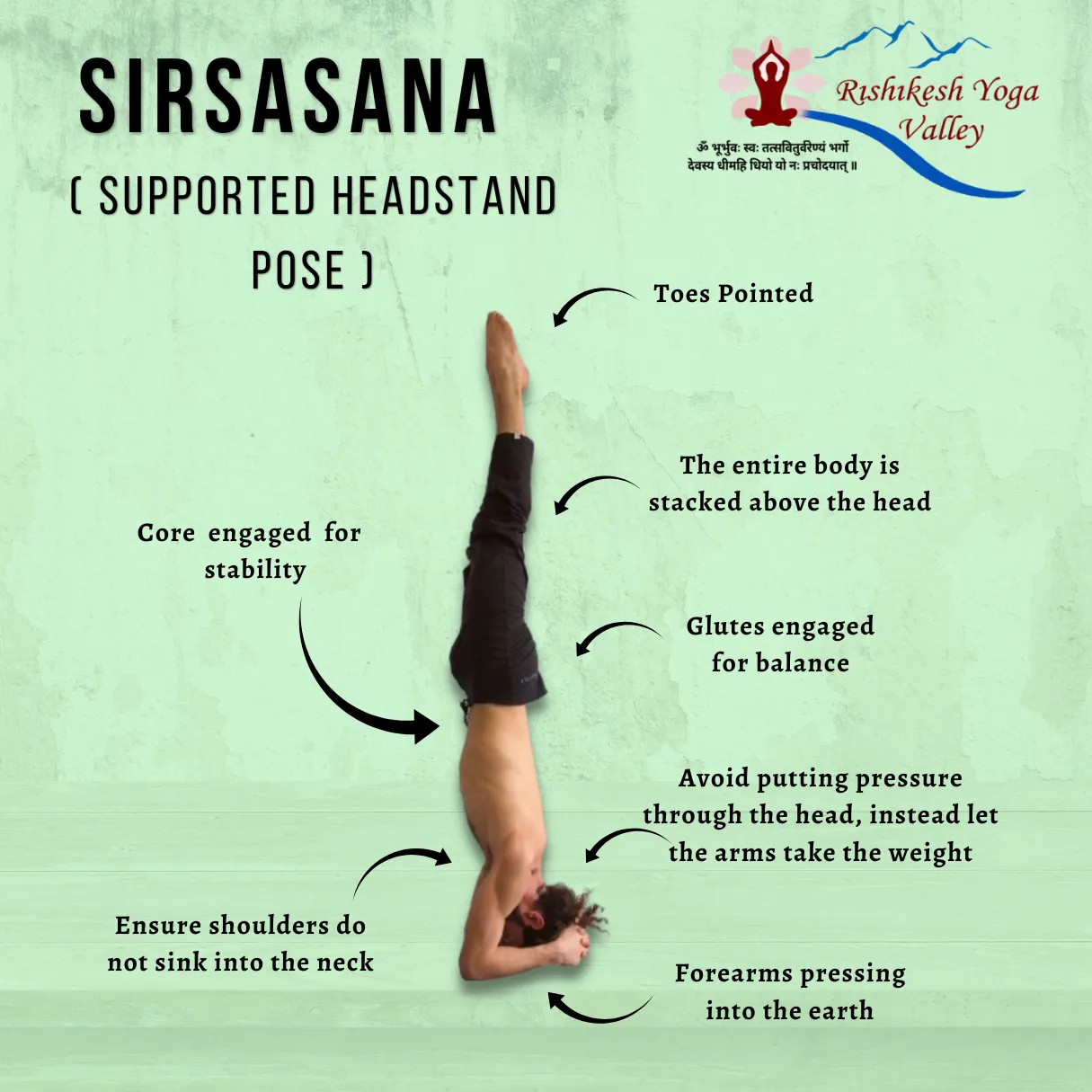
Headstand, known in Sanskrit as Sirsasana, is one of the most powerful and advanced yoga inversions. Often referred to as the “King of Yoga Poses,” this posture involves balancing the body upside down on the head while supporting the body with the arms and shoulders.
The word Sirsasana comes from two Sanskrit words:
Sirsa – head
Asana – posture or pose
In this posture, the body becomes inverted, meaning the head is placed on the ground while the legs extend upward. This reversal of gravity provides numerous physical, mental, and energetic benefits.
Because the pose requires strength, balance, and concentration, Headstand is considered an advanced yoga posture and should ideally be practiced under the guidance of an experienced yoga instructor.
Headstand Pose Overview
| Feature | Details |
|---|---|
| Sanskrit Name | Sirsasana |
| English Name | Headstand |
| Pose Type | Inversion |
| Difficulty Level | Advanced |
| Focus Areas | Core strength, balance, mental focus |
| Yoga Styles | Hatha, Ashtanga, Vinyasa |
Why Headstand is Called the King of Asanas
In traditional yoga philosophy, Sirsasana is considered the king of all asanas because of its wide range of benefits.
The pose influences:
the brain
endocrine system
nervous system
circulation
digestion
By reversing the body’s orientation, the Headstand improves blood circulation to the brain, helping sharpen concentration and mental clarity.
How to Do Headstand (Sirsasana)
Follow these step-by-step instructions to perform Headstand safely.
Step 1: Prepare the Base
Start by kneeling on a yoga mat. Place your forearms on the floor with elbows shoulder-width apart.
Step 2: Interlock the Fingers
Interlock your fingers to create a stable base for the head. Your palms should form a supportive cup.
Step 3: Position the Head
Place the crown of the head on the mat, with the back of the head resting gently against your palms.
Step 4: Lift the Hips
Straighten your legs and lift your hips upward, similar to the position in Downward Dog.
Step 5: Walk the Feet Closer
Slowly walk your feet toward your head until your hips align above your shoulders.
Step 6: Lift the Legs
Carefully lift one leg at a time or raise both legs together, keeping your core engaged.
Step 7: Extend the Body Upward
Straighten your legs toward the ceiling, maintaining balance and alignment.
Step 8: Hold the Pose
Stay in the posture while breathing slowly and maintaining focus.
Step 9: Release the Pose
Lower your legs slowly and return to the floor in a controlled manner.
Rest in Child’s Pose afterward.
Duration for Beginners
Beginners: 10–30 seconds
Intermediate practitioners: 1 minute
Advanced yogis: up to 3 minutes
Always increase the duration gradually.
To learn yoga in depth, explore our courses below.
Powerful Benefits of Headstand
Regular practice of Sirsasana offers numerous benefits for the body and mind.
1. Improves Blood Circulation
One of the biggest benefits of the Headstand is improved circulation.
When the body is inverted, blood flows more efficiently toward the brain, delivering oxygen and nutrients.
2. Strengthens the Upper Body
Sirsasana engages multiple muscles including:
shoulders
arms
upper back
core muscles
Over time, it builds upper-body strength and endurance.
3. Enhances Brain Function
The increased oxygen supply to the brain helps improve:
focus
memory
mental clarity
This makes Headstand especially beneficial for students and professionals.
4. Reduces Stress and Anxiety
Headstand activates the parasympathetic nervous system, helping calm the mind and reduce stress levels.
Many practitioners report feeling mentally refreshed after practicing the pose.
5. Supports the Digestive System
Because gravity is reversed, the abdominal organs receive gentle stimulation.
This may help:
improve digestion
release trapped gas
enhance nutrient absorption
6. Boosts Energy Levels
Headstand is an energizing yoga posture that stimulates the entire body and revitalizes the nervous system.
Practicing this pose regularly can increase overall vitality.
7. Strengthens the Spine
Maintaining alignment in Sirsasana requires strong core muscles and spinal stability.
Over time, this helps improve posture and spinal health.
Preparatory Poses for Headstand
Since Headstand is an advanced pose, preparing the body with foundational poses is important.
Some useful preparatory poses include:
Dolphin Pose
Downward Facing Dog
Plank Pose
Standing Forward Bend
These poses strengthen the shoulders and core.
Follow-Up Poses After Headstand
After practicing Sirsasana, it is important to relax the neck and shoulders.
Good follow-up poses include:
Child’s Pose
Shoulder Stand
Corpse Pose (Savasana)
These poses help restore balance to the body.
Headstand Variations
Once the basic pose is mastered, several variations can be explored.
1. Tripod Headstand
Balance is maintained using the head and hands.
2. Wide-Legged Headstand
The legs are extended sideways in a split position.
3. Lotus Headstand
The legs are crossed in lotus position while upside down.
4. Eagle Leg Headstand
The legs wrap around each other in Eagle Pose while inverted.
These variations increase strength, balance, and flexibility.
Check out our Retreats in Rishikesh for Beginners and intermediates:
Common Mistakes to Avoid
Avoid these errors while practicing Headstand:
placing too much weight on the neck
lifting legs too quickly
collapsing shoulders
holding the breath
Proper alignment is essential for safety.
Precautions and Contraindications
Headstand should not be practiced in the following situations:
neck injuries
high blood pressure
glaucoma
heart conditions
severe headaches or migraines
Pregnant women and beginners should practice only under professional guidance.
Looking for short yoga program?
Check out below our:
Tips for Beginners
If you are new to Headstand, try these tips:
practice near a wall for support
strengthen shoulders first
engage the core muscles
move slowly and stay controlled
Consistency and patience are key to mastering this pose.
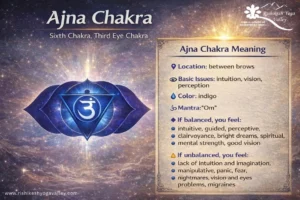
Headstand and Chakra Activation
In yogic philosophy, Sirsasana stimulates several energy centers in the body.
These include:
Crown Chakra (Sahasrara)
Third Eye Chakra (Ajna)
Throat Chakra (Vishuddha)
Activating these chakras is believed to enhance awareness and spiritual growth.
Take Your Yoga Practice Beyond Sirsasana
FAQs
1. What is Headstand in yoga?
Headstand is an advanced inversion yoga pose where the body balances upside down on the head with support from the arms.
2. Why is Sirsasana called the king of yoga poses?
It is called the king of asanas because it benefits multiple body systems including the brain, nervous system, and endocrine system.
3. Is Headstand safe for beginners?
Beginners should practice with guidance from a yoga instructor and may use wall support initially.
4. How long should you hold Headstand?
Start with 10–30 seconds and gradually increase the duration as your strength improves.
5. What muscles does Headstand strengthen?
The pose strengthens the shoulders, arms, core, back, and legs.
Final Thoughts
Headstand (Sirsasana) is one of the most transformative yoga poses. By reversing gravity and activating multiple muscle groups, this powerful inversion strengthens the body, sharpens the mind, and improves overall well-being.
However, because it is an advanced posture, it is essential to practice patiently and under proper guidance.
With consistent practice, Headstand can become a powerful tool for physical strength, mental clarity, and inner balance