

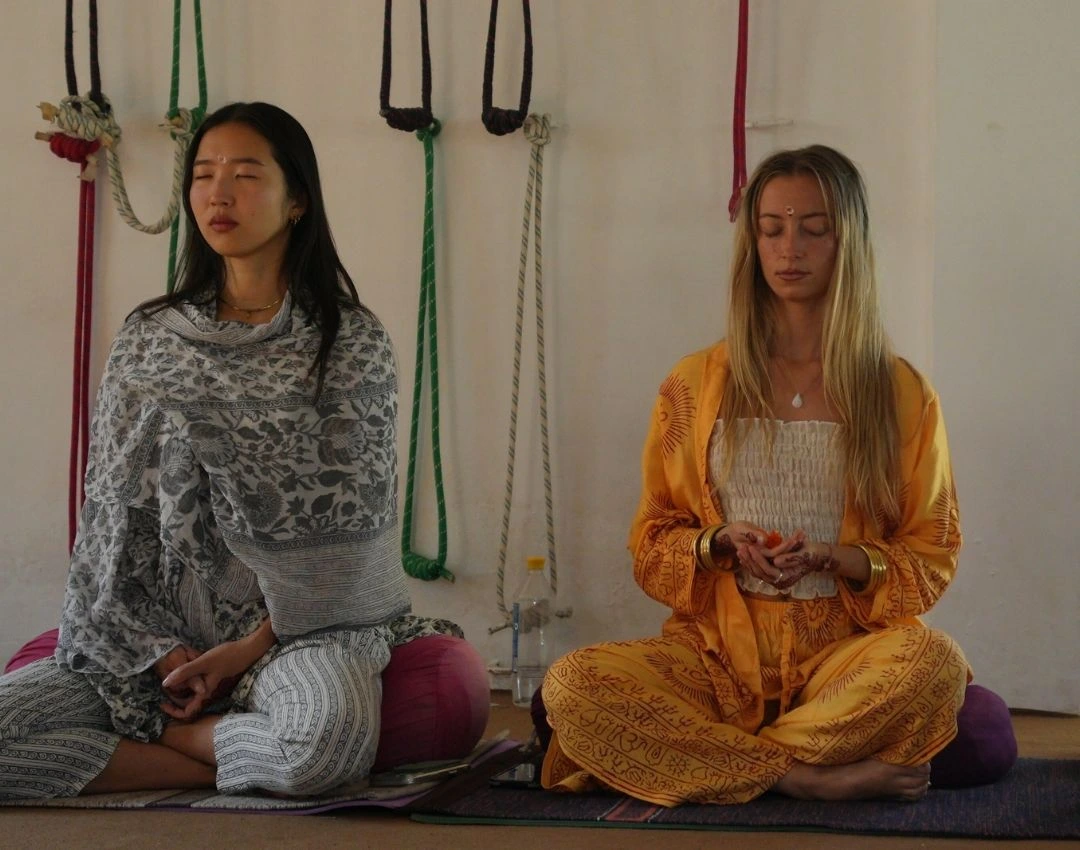
For many people, joining a yoga teacher training program begins as a physical journey. They want to deepen their asana practice, improve flexibility, or learn how to guide yoga classes.
However, most students quickly realize that yoga training is not only about learning postures. It is a deeply transformative experience that often reshapes how individuals think, behave, and interact with the world.
Students who spend several weeks studying yoga in immersive environments—especially in places such as Rishikesh, located near the Himalayas—often describe the experience as life-changing.
The daily schedule usually includes:
- early morning meditation
- breathing practices such as pranayama
- structured asana practice
- lectures on yoga philosophy
- mindful living and community interaction
This combination gradually influences not only physical health but also mental clarity, emotional balance, and personal awareness.
Many students begin their training simply wanting to learn yoga—but they leave with a deeper understanding of themselves.
This article explores:
- how yoga training affects the mind
- how personality traits may shift through yogic practice
- what psychological and emotional changes students experience
- why immersive learning environments accelerate transformation
Quick Answer: How Yoga Training Changes the Mind
Yoga training changes the mind by developing self-awareness, emotional balance, discipline, and mindfulness through daily practices such as meditation, pranayama breathing, and philosophical study.
Rather than forcing change, yoga gradually reshapes mental patterns through consistent practice and reflection.
Why Yoga Training Is a Transformational Experience
Most yoga teacher training programs involve intensive daily routines designed to cultivate awareness.
Typical daily activities include:
- Morning meditation
- Pranayama breathing practices
- Guided asana practice
- Yoga philosophy lectures
- Anatomy and teaching methodology
- Evening reflection or meditation
Living within this rhythm for several weeks allows students to step away from the distractions of everyday life and focus deeply on personal development.
The Psychological Impact of Daily Yoga Practice
One of the most noticeable effects of yoga training is the development of mental clarity.
Regular meditation and breathwork help calm the nervous system and reduce mental distractions.
Students often report improvements such as:
- increased concentration
- reduced stress and anxiety
- improved emotional regulation
These changes occur because yoga encourages individuals to observe their thoughts without reacting automatically.
How Meditation Shapes Self-Awareness
Meditation is a central practice in yoga training.
When practiced daily, meditation strengthens the ability to observe internal experiences such as thoughts, emotions, and reactions.
Over time, students begin to notice patterns in their behavior and thought processes.
This awareness creates space for conscious change rather than automatic reactions.
Many yoga teachers describe meditation as one of the most transformative aspects of their training.
The Role of Pranayama in Emotional Balance
Another important practice in yoga training is pranayama, the regulation of breath.
Breathing techniques influence the nervous system and can help stabilize emotional responses.
Common pranayama practices include:
- Nadi Shodhana (alternate nostril breathing)
- Kapalabhati breathing
- Ujjayi breathing
These practices support mental clarity and emotional balance, especially during stressful situations.
Yoga Philosophy and Personal Perspective
One of the most powerful aspects of yoga training is exposure to yoga philosophy.
Students study traditional texts that explore topics such as:
- awareness
- compassion
- non-attachment
- discipline
These teachings often encourage individuals to question their assumptions about success, happiness, and identity.
Many students report that philosophical study significantly shifts their perspective on life.
Looking for short yoga program?
Check out below our:
Personality Traits That Often Change Through Yoga Practice
While every student’s experience is unique, certain personality changes are commonly observed during yoga training.
Increased Patience
Yoga encourages slow, mindful progress rather than immediate results.
Students often develop patience toward themselves and others.
Greater Emotional Stability
Through meditation and breath awareness, many individuals become less reactive to stressful situations.
Improved Self-Confidence
Teaching yoga classes and practicing consistently often builds confidence in communication and leadership.
Increased Compassion
Yoga philosophy emphasizes kindness and non-violence, encouraging greater empathy toward others.
Comfort with Simplicity
Daily life during training becomes simple by necessity – fewer choices, fewer possessions, fewer distractions. Many students carry that ease back with them, needing less to feel content.
A Better Relationship With Rest
Training teaches that recovery is part of the practice, not something to be earned. Students often stop treating rest as a reward and start treating it as maintenance.
The Influence of Community During Training
Another factor that contributes to personal transformation is the community environment.
During yoga training, students often live and study together for several weeks.
This environment encourages:
- open discussions
- shared learning experiences
- supportive relationships
Many students form meaningful friendships that continue long after the training ends.
Why Rishikesh Is Known for Transformational Yoga Experiences
Many yoga practitioners choose to study in Rishikesh, a city widely recognized as the heart of traditional yoga learning.
Located along the Ganges River and surrounded by the Himalayas, Rishikesh has attracted yogis and meditation practitioners for centuries.
Students who train in this environment often find it easier to disconnect from daily distractions and focus on personal growth.
The peaceful surroundings support practices such as:
- meditation
- pranayama
- philosophical reflection
- mindful living
The Role of Yogic Lifestyle
Yoga training also introduces students to elements of the traditional yoga lifestyle.
This may include:
- mindful eating habits inspired by Ayurveda
- structured daily routines
- reduced digital distractions
- intentional community living
These lifestyle adjustments reinforce the mental and emotional benefits of yoga practice.
To learn yoga in depth, explore our courses below.
Real Experiences From Yoga Students
Many students describe yoga training as a turning point in their lives.
Common reflections include:
- feeling more present and aware
- gaining clarity about personal goals
- developing healthier habits
- building stronger emotional resilience
While these changes may begin during training, they often continue evolving long after the program ends.
People Also Ask
Does yoga teacher training change your personality?
Yoga training often increases self-awareness, emotional balance, and patience. Many students experience shifts in perspective and behavior through meditation and philosophical study.
Can yoga improve mental health?
Regular yoga practice can reduce stress, improve focus, and support emotional wellbeing through breathing exercises, meditation, and mindful movement.
Why do people say yoga training is life-changing?
Yoga training combines physical practice, meditation, philosophy, and community living, which can create powerful personal insights and lifestyle changes.
What mental benefits does yoga provide?
Yoga can improve concentration, emotional stability, and stress management by calming the nervous system and encouraging mindfulness.
Is meditation part of yoga teacher training?
Yes. Meditation is an essential component of most yoga training programs and helps develop awareness and mental clarity.
Why do people study yoga in Rishikesh?
Rishikesh is known worldwide for traditional yoga teachings and attracts students interested in authentic yoga philosophy and meditation.
Do beginners experience transformation during yoga training?
Yes. Even beginners often experience significant mental and emotional benefits during immersive yoga training programs.
How long does it take to notice mental changes from yoga?
Some people notice mental benefits within a few weeks of consistent practice, especially when combining meditation and breathwork.
Does yoga teacher training only benefit people who want to teach?
No — graduates go on to use what they learn in careers well outside yoga, including healthcare, education, business, design, hospitality, and engineering. The training shapes how people listen, lead, and handle pressure, which transfers to almost any kind of work.
Will yoga teacher training solve all my problems?
No — it won’t remove life’s difficulties or guarantee a problem-free life. What it offers instead is a steadier, more grounded way of meeting whatever challenges come up.
FAQ Section
Does yoga teacher training change your personality?
Yoga training often increases self-awareness, emotional balance, and patience. Many students experience shifts in perspective and behavior through meditation and philosophical study.
Can yoga improve mental health?
Regular yoga practice can reduce stress, improve focus, and support emotional wellbeing through breathing exercises, meditation, and mindful movement.
Why do people say yoga training is life-changing?
Yoga training combines physical practice, meditation, philosophy, and community living, which can create powerful personal insights and lifestyle changes.
What mental benefits does yoga provide?
Yoga can improve concentration, emotional stability, and stress management by calming the nervous system and encouraging mindfulness.
Is meditation part of yoga teacher training?
Yes. Meditation is an essential component of most yoga training programs and helps develop awareness and mental clarity.
Why do people study yoga in Rishikesh?
Rishikesh is known worldwide for traditional yoga teachings and attracts students interested in authentic yoga philosophy and meditation.
Do beginners experience transformation during yoga training?
Yes. Even beginners often experience significant mental and emotional benefits during immersive yoga training programs.
How long does it take to notice mental changes from yoga?
Some people notice mental benefits within a few weeks of consistent practice, especially when combining meditation and breathwork.
Does yoga teacher training only benefit people who want to teach?
No – graduates go on to use what they learn in careers well outside yoga, including healthcare, education, business, design, hospitality, and engineering. The training shapes how people listen, lead, and handle pressure, which transfers to almost any kind of work.
Will yoga teacher training solve all my problems?
No – it won’t remove life’s difficulties or guarantee a problem-free life. What it offers instead is a steadier, more grounded way of meeting whatever challenges come up.
Key Takeaways
- Yoga teacher training often influences both physical health and mental awareness.
- Practices such as meditation, pranayama, and yoga philosophy encourage self-reflection.
- Students frequently experience increased patience, emotional balance, and clarity.
- Immersive environments such as Rishikesh, near the Himalayas, support deep personal transformation.
- Yoga training is not only about learning to teach-it is also a journey of self-discovery.
- The benefits extend beyond teaching – graduates carry what they learn into completely different careers, from healthcare to business to design
- Real transformation tends to be quiet and gradual, showing up in small repeated choices rather than dramatic moments
Final Thoughts
Yoga teacher training often becomes much more than a professional certification.
For many students, it becomes an opportunity to pause, reflect, and explore deeper aspects of personal growth.
Through practices such as asana, pranayama, meditation, and philosophical study, individuals begin to develop greater awareness of their thoughts, emotions, and behaviors.
This awareness gradually influences how they respond to challenges, interact with others, and approach everyday life.
Many students who travel to Rishikesh discover that the peaceful Himalayan environment creates ideal conditions for this kind of transformation.
Yoga schools such as Rishikesh Yoga Valley welcome students from around the world who wish to explore yoga not only as a physical practice but also as a path toward greater mindfulness and balance.
Check out our Retreats in Rishikesh for Beginners and intermediates: