Free Sound Healing Session
Free Airport Pick Up
Free Ayurveda Massage
200 Hour Kundalini Yoga Teacher Training in Rishikesh, India
Yoga Alliance Certified School



Our200 Hour Kundalini Yoga Teacher Training in Rishikesh at Rishikesh Yoga Valley – a 24 day immersive residential yoga course in Rishikesh designed for beginners, seekers, and aspiring teachers from around the world.
Awaken your inner energy. Become a certified yoga teacher. Experience authentic transformation in the birthplace of yoga.
This is not just a yoga certification course. It is a life-changing spiritual journey in the heart of India. Located just 500–800 meters from the sacred Ganges River in Rishikesh, our training blends traditional Kundalini practices with multi-style foundations in a safe, supportive, and international-friendly environment.
- You’ll gain essential knowledge of asanas, pranayama, meditation, philosophy, and teaching methods that create a solid base for your practice and future teaching journey. Led by experienced instructors at Rishikesh Yoga Valley (a Yoga Alliance-registered school), this 200 hour kundalini yoga teacher training in Rishikesh offers deep immersion into authentic and traditional yogic culture.
EXCELLENT Based on 152 reviews
 Posted on Google
 Swati Gogia15/03/2026I visited for a 5 day retreat and this was definitely a retreat for my body mind and soul. Not just that but I got to learn so much about Hatha yoga, Ashtanga yoga , ayurveda and yoga philosophy. I am coming again for regular yoga classes. The sound healing session was rejuvenating for my body and mind. I got clarity after it about my goals. We got to visit Kunjapuri temple and the sunrise was mesmerising. I made new friends and had meaningful conversations. Loved my stay here and the food was delicious. Thankyou so much to all teachers.Posted on Google
 Carolina Enciso14/03/2026
Trustindex verifies that the original source of the review is Google.
It has been an amazing experience to stay at Rishikesh Yoga Valley School. The staff is great, delicious meals home cooked, the teachers are dedicated and sharing lots of knowledge.Posted on Google avinash lanka17/02/2026I did 100 hours yoga trainer training program at Rishikesh yoga valley, highly recommend this institute for training program. Good natured staff, both teaching and non teaching, and very helpful. They really take care of trainees. Enjoyed my stay, food is good, private room is decent with hot water geyser. We did 3 outings during my 10 days of stay. Planning to do my remaining 100 hours later this year.Posted on Google
 Sonia Boustani30/01/2026Amazing life changing experience! This ashram is beautiful, the teachers are wonderful very good teachers, the vibe of the place is so nice and amigable! Food is all vegetarian and learnt a lot about Ayurveda too! I really recommend it!! I am sonia from Argentina and did 200hours certificationPosted on Google
 Florencia Bardecio28/01/2026Amazing experience. The quality of the teachers is outstanding. They have a very complete program. Rooms and installations are very good for Indian standards. Is very important to communicate with them ahead in order to have the proper dates and schedule. Will highly recommend it!Posted on Google
 Varnika Shukla28/01/2026I did 100 hours YTTC and the experience was just outstanding & memorable. It was the best start of 2026 by joining rishikesh yoga valley.The teachers were well trained and educated…Stay, food, classes everything was well organised and maintained. I met some amazing people here, build some great bonds that I will cherish for life. The overall experience was just as I expected. Weekend excursions were also well planned and executed. The staff was also very helpful and each person will take care of your health, wellbeing and basic needs. I would definitely do my remaining 100 hours again from here.Posted on Google
 Isha28/01/2026Namaste I completed 200 hours TTC with Rishikesh Yoga Valley and I had a very good experience, the management was good, food was delicious, the overall environment in the school was peaceful, teachers and students all were so inspiring. In short I had a very pleasant experience ✨Posted on Google
 Bhawana B22/01/2026It was a great experiencePosted on Google
 Satya Vaishnav20/12/2025I had a really nice experience at this yoga school. I came here for a 100-hour retreat, and honestly the rooms, teachers, and facilities are all very good. During my stay, I was taught Hatha Yoga, Ashtanga Yoga, Yoga Philosophy, and Ayurveda Yoga. A special thanks to Neeraj Sir, who taught Ashtanga Yoga in a very clear and effective way, and Upendra Sir, whose Pranayama sessions were excellent and easy to understand. The people here are also very friendly and welcoming, which made the experience even better. The facilities are well maintained, and the food was really nice and nourishing. One thing to keep in mind: if you are planning to come here, it’s better to opt for the 200-hour Yoga TTC, because the curriculum is the same for people coming for a short stay (like 10 days) and for those receiving a TTC certificate. Overall, it was a positive and enriching experience, and I would definitely recommend this place to anyone serious about yoga practice.Posted on Google
 saakshi joshi08/12/2025I completed my 200-hour Yoga Teacher Training at Rishikesh Yoga Valley, and it was one of the most transformative experiences of my life. The curriculum is perfectly balanced with asanas, pranayama, anatomy, alignment, philosophy, and teaching methodology. The teachers are true masters—supportive, knowledgeable, and passionate. The accommodation was clean and comfortable, and the sattvic meals were delicious. What I loved most was the positive energy and the personal attention given to each student. I feel confident and fully prepared to start teaching. Highly recommended for anyone serious about deepening their practice or becoming a yoga teacher.Verified by TrustindexTrustindex verified badge is the Universal Symbol of Trust. Only the greatest companies can get the verified badge who has a review score above 4.5, based on customer reviews over the past 12 months. Read more
200 Hour Kundalini Yoga Teacher Training Course Overview
Our 200 Hour Kundalini Yoga Teacher Training in Rishikesh, India is a beginner-friendly, Yoga Alliance–aligned program that offers deep grounding in:
Kundalini kriyas & energy awakening
Classical Hatha Yoga
Pranayama & meditation
Yogic philosophy
Anatomy & alignment
Ayurveda integration
Teaching methodology
This traditional yoga training in India is designed for students who want to:
Start their journey as a certified yoga teacher
Deepen personal spiritual practice
Study yoga in India authentically
Experience a holistic residential yoga course
Over 24 transformative days, you will grow physically, mentally, and spiritually.
- DURATION: 24 DAYS (INTENSIVE & IMMERSIVE)
- BATCH SIZE: 15-20 STUDENTS {SMALL & PERSONALIZED}
- PRIMARY FOCUS: KUNDALINI YOGA (MULTISTYLE APPROACH)
- LEVEL: BEGINNER FRIENDLY
- SCHOOL: RISHIKESH YOGA VALLEY
- TEACHING STYLE: TRADITIONAL BASED
- LANGUAGE: ENGLISH
- LOCATION: RISHIKESH, INDIA (500-800 METERS FROM THE GANGES)
- FOOD: VEGETARIAN & VEGAN YOGIC MEALS
- ACCOMMODATION: PRIVATE & SHARED ROOMS
- ROOMS: ATTACHED BATHROOM +WIFI
- CERTIFICATION: 200 HOUR YTTC (YOGA ALLIANCE PATHWAY ELIGIBLE)
200 Hour Kundalini YTTC Fees
$899
Triple Shared Room
$1199
Double Shared Room
$1299
Private Room Occupancy

Everything Is Included
What's Included, What's Not, and What To Bring
Your 200 Hour Kundalini Yoga Teacher Training in Rishikesh, India at Rishikesh Yoga Valley is a comprehensive residential programme designed to help you build a strong foundation in Kundalini Yoga while developing the confidence to teach with authenticity. The course fee includes comfortable accommodation, nourishing satvik meals, yoga equipment, detailed study materials, selected excursions, and your course completion certificate, allowing you to fully immerse yourself in Kundalini practices, yogic wisdom, and personal transformation in the Yoga Capital of the World.
Accommodation (24 Days / 23 Nights): Comfortable stay in clean, spacious, and well-lit rooms with attached washrooms, surrounded by the peaceful natural beauty of Rishikesh—ideal for deep practice and inner transformation.
Airport Pickup: One-way taxi transfer from Dehradun (Jolly Grant) Airport for a smooth and stress-free arrival experience.
Complete Kundalini Yoga Curriculum: All practical and theoretical classes included—Asana, Pranayama, Meditation, Bandha, Mudra, Mantra, Philosophy, Teaching Methodology, and guided spiritual activities throughout the training.
Daily Sattvic Ayurvedic Meals: Three freshly prepared vegetarian meals daily based on traditional Ayurvedic principles, along with morning and evening herbal tea to support detoxification and energy balance.
Complimentary Ayurvedic Massage: One rejuvenating Ayurvedic therapy session to promote relaxation, recovery, and holistic well-being during the course.
Group Sound Healing Session: A guided sound healing experience using sacred instruments to calm the nervous system, balance chakras, and enhance inner harmony.
Yoga Alliance Certification: Internationally recognized certification upon successful completion of the 200 Hour Kundalini Yoga Teacher Training in Rishikesh India.
Course Materials: Detailed course manual, study notes, yoga bag, and yoga t-shirt included.
Modern Comforts: Free Wi-Fi access and hot water showers available for your convenience.
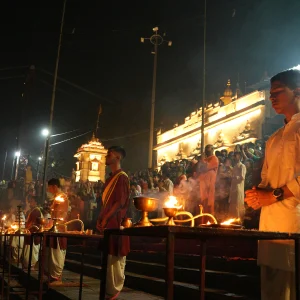
Excursions & Spiritual Experiences: Weekend trips to Himalayan viewpoints, hidden gems of Rishikesh, Ganga Aarti ceremonies, visits to ashrams, and interactions with spiritual teachers.
Note: Meals during outings are not included, as participants purchase their own.



Flight Tickets: International and domestic airfare to and from India is not included in the course fee. Participants are responsible for booking their own travel arrangements.
Ayurvedic Massage (Indian Students): Ayurvedic therapy sessions for Indian students are available upon request at an additional cost.
Personal Expenses: Laundry services, shopping, medical treatments, local transportation, taxi fares, and any other personal expenditures are not covered in the program fee.
Sunday Meals: Meals on Sundays are not included, as Sundays are reserved for rest, excursions, and personal exploration of local cuisine in Rishikesh.
Visa & Travel Insurance: Students must arrange their own visa documentation and travel insurance (if required) before arriving in India.
Additional Services: Any services, activities, or items not specifically mentioned in the “Inclusions” section are excluded from the course package.

Clothing Essentials
One white outfit for the opening and closing ceremonies
2–3 pairs of comfortable yoga leggings or loose pants with supportive tops
Casual clothes for local walks, weekend excursions, or short Himalayan treks
A light jacket or sweatshirt for cool mornings and evenings
Comfortable sleepwear and undergarments
Flip-flops or sandals for easy movement around the campus
A personal bath towel
Yoga Equipment
Yoga mats are provided at the school
You may bring your own mat if you prefer personal use
All course manuals, notes, and study materials are included in the program
Toiletries & Personal Care
Basic toiletries such as soap, shampoo, toothpaste, deodorant, and sanitary products
Personal hygiene essentials
Most daily-use items are easily available at nearby shops in Rishikesh if you prefer to purchase after arrival
Medicines & Supplements
Personal prescription medicines (if required)
Basic medication for cold, flu, allergies, muscle soreness, or eye dryness
Supplements or multivitamins, especially if you are transitioning to a vegetarian diet
During the 200 Hour Kundalini Yoga Teacher Training in Rishikesh India, we provide fresh Satvik vegetarian meals to support detoxification, energy balance, and overall well-being.
If you need any guidance before your arrival, our team is always happy to assist you. We look forward to welcoming you to Rishikesh and supporting your journey of self-discovery and Kundalini awakening.

Why This Training Matters
Traditional yoga transforms your entire being.
This course bridges ancient wisdom with practical teaching skills, covering:
Authentic kundalini yoga traditions
Modern anatomy and safe alignment
Meditation and breath mastery
Teaching confidence and professionalism
Ayurvedic lifestyle integration
Personal spiritual growth
It is designed to create not just instructors – but grounded, compassionate leaders.
WHO THIS COURSE IS FOR
This beginner yoga teacher training in India is ideal for:
Beginners
No prior certification required. If you feel called, you are ready.
Dedicated Practitioners
Deepen your understanding of Kundalini and subtle body practices.
Aspiring Yoga Teachers
Gain internationally recognized certification and teaching confidence.
International Students
Welcoming environment for students from USA, UK, EU, Canada, and Australia.
Spiritual Seekers
Experience mantra, breathwork, meditation, and traditional yogic lifestyle.
Wellness Professionals
Add yoga certification to your therapy, coaching, or healing work.
What Does a Typical Day Look Like?

A typical day during our 200 Hour Kundalini Yoga Teacher Training in Rishikesh begins with early morning meditation and pranayama, followed by Kundalini kriyas and traditional asana practice. Throughout the day, students explore yoga philosophy, anatomy, teaching methodology, mantra chanting, and self-study. Nutritious sattvic meals and evening meditation sessions create a balanced rhythm that supports both physical vitality and inner growth. This structured daily routine helps students develop discipline, consistency, and a deeper connection to authentic yogic living.
Accommodation and Food
You will live in a peaceful residential campus near Ram Jhula, surrounded by nature yet close to cafes and essential amenities.
Rooms





Attached bathroom
Clean and hygienic environment
WiFi access
Peaceful study atmosphere
Yoga Meals





Vegetarian yogic meals
Vegan options available
Freshly prepared daily
Balanced for energy & digestion
who can join?
Dates & Schedule
curriculum
Accommodation (24 Days / 23 Nights): Comfortable stay in clean, spacious, and well-lit rooms with attached washrooms, surrounded by the peaceful natural beauty of Rishikesh—ideal for deep practice and inner transformation.
Airport Pickup: One-way taxi transfer from Dehradun (Jolly Grant) Airport for a smooth and stress-free arrival experience.
Complete Kundalini Yoga Curriculum: All practical and theoretical classes included—Asana, Pranayama, Meditation, Bandha, Mudra, Mantra, Philosophy, Teaching Methodology, and guided spiritual activities throughout the training.
Daily Sattvic Ayurvedic Meals: Three freshly prepared vegetarian meals daily based on traditional Ayurvedic principles, along with morning and evening herbal tea to support detoxification and energy balance.
Complimentary Ayurvedic Massage: One rejuvenating Ayurvedic therapy session to promote relaxation, recovery, and holistic well-being during the course.
Group Sound Healing Session: A guided sound healing experience using sacred instruments to calm the nervous system, balance chakras, and enhance inner harmony.
Yoga Alliance Certification: Internationally recognized certification upon successful completion of the 200 Hour Kundalini Yoga Teacher Training in Rishikesh India.
Course Materials: Detailed course manual, study notes, yoga bag, and yoga t-shirt included.
Modern Comforts: Free Wi-Fi access and hot water showers available for your convenience.
Excursions & Spiritual Experiences: Weekend trips to Himalayan viewpoints, hidden gems of Rishikesh, Ganga Aarti ceremonies, visits to ashrams, and interactions with spiritual teachers.
Note: Meals during outings are not included, as participants purchase their own.
Flight Tickets: International and domestic airfare to and from India is not included in the course fee. Participants are responsible for booking their own travel arrangements.
Ayurvedic Massage (Indian Students): Ayurvedic therapy sessions for Indian students are available upon request at an additional cost.
Personal Expenses: Laundry services, shopping, medical treatments, local transportation, taxi fares, and any other personal expenditures are not covered in the program fee.
Sunday Meals: Meals on Sundays are not included, as Sundays are reserved for rest, excursions, and personal exploration of local cuisine in Rishikesh.
Visa & Travel Insurance: Students must arrange their own visa documentation and travel insurance (if required) before arriving in India.
Additional Services: Any services, activities, or items not specifically mentioned in the “Inclusions” section are excluded from the course package.
Clothing Essentials
One white outfit for the opening and closing ceremonies
2–3 pairs of comfortable yoga leggings or loose pants with supportive tops
Casual clothes for local walks, weekend excursions, or short Himalayan treks
A light jacket or sweatshirt for cool mornings and evenings
Comfortable sleepwear and undergarments
Flip-flops or sandals for easy movement around the campus
A personal bath towel
Yoga Equipment
Yoga mats are provided at the school
You may bring your own mat if you prefer personal use
All course manuals, notes, and study materials are included in the program
Toiletries & Personal Care
Basic toiletries such as soap, shampoo, toothpaste, deodorant, and sanitary products
Personal hygiene essentials
Most daily-use items are easily available at nearby shops in Rishikesh if you prefer to purchase after arrival
Medicines & Supplements
Personal prescription medicines (if required)
Basic medication for cold, flu, allergies, muscle soreness, or eye dryness
Supplements or multivitamins, especially if you are transitioning to a vegetarian diet
During the 200 Hour Kundalini Yoga Teacher Training in Rishikesh India, we provide fresh Satvik vegetarian meals to support detoxification, energy balance, and overall well-being.
If you need any guidance before your arrival, our team is always happy to assist you. We look forward to welcoming you to Rishikesh and supporting your journey of self-discovery and Kundalini awakening.
200 Hour kundalini Yoga TTC Upcoming Dates
03rd Jan - 24th Jan
Open For 2027
03rd Feb - 24th Feb
Open For 2027
03rd Mar - 24th Mar
Open For 2027
03rd Apr - 24th Apr
Open For 2027
03rd May - 24th May
Open For 2027
03rd June - 24th June
Open For 2027
03rd July - 24th July
Open For 2027
03rd Aug - 24th Aug
Seats Available
03rd Sep - 24th Sep
Seats Available
03rd Oct - 24th Oct
Seats Available
03rd Nov - 24th Nov
Seats Available
03rd Dec - 24th Dec
Seats Available
Our 200 Hour Kundalini Yoga Teacher Training in Rishikesh India begins on the 3rd of every month, offering students a deeply structured and transformative immersion into traditional Kundalini Yoga in the Yoga Capital of the World.
Set in the serene spiritual atmosphere of Rishikesh, this training provides the perfect environment for inner awakening, self-discipline, and professional growth in Kundalini Yoga.
200 Hour Kundalini Yoga TTC Daily Schedule
| ACTIVITY | TIME |
|---|---|
| Pranayama | 06:00 AM – 06:45 AM |
| Kundalini Yoga | 07:00 AM – 08:30 AM |
| Breakfast | 08:30 AM – 09:45 AM |
| Yoga Philosphy | 10:00 AM – 11:00 AM |
| Ayurveda & Anatomy | 11:15 AM – 12:15 PM |
| Alignment & Adjustment | 12:30 AM – 01:30 PM |
| Lunch | 01:30 PM – 02:00 PM |
| Free Time | 02:00 PM – 04:00 PM |
| Ashtanga-Vinyasa | 04:00 PM – 05:30 PM |
| Tea & Relax | 05:30 PM – 06:00 PM |
| Mediataion & Mantra Chanting | 06:00 PM – 07:00 PM |
| Self Study | 07:00 PM – 07:30 PM |
| Dinner | 07:30 PM – 08:30 PM |
LIMITED SEATS | BOOK NOW
What You Will Learn in Our 200 Hour Kundalini Yoga Teacher Training in Rishikesh

Kundalini & Asana Practice
Kundalini kriyas for energy awakening
Chakra activation techniques
Classical Hatha Yoga alignment
Surya Namaskar variations
Safe adjustments & sequencing
Pranayama (Breath Mastery)
Nadi Shodhana
Kapalbhati
Bhastrika
Ujjayi breath
Energy balancing techniques
Meditation & Mantra
Kundalini meditation practices
Mantra chanting
Trataka
Awareness & mindfulness techniques
Yoga Philosophy
Eight Limbs of Yoga
Yoga Sutras of Patanjali
Introduction to Bhagavad Gita
Yogic ethics & lifestyle
Anatomy & Alignment
Musculoskeletal basics
Injury prevention
Functional movement
Alignment principles
Teaching Methodology
Class structuring
Verbal cueing
Demonstration skills
Hands-on adjustments
Building teaching confidence
Ayurveda Integration
Understanding Doshas
Yogic diet principles
Daily routine for balance
Why Choose Rishikesh Yoga Valley

With over a decade of experience, Rishikesh Yoga Valley is recognized as one of the most authentic yoga schools in Rishikesh, dedicated to preserving the true essence of traditional Indian yoga education. Located in the spiritual heart of India, our school blends ancient yogic wisdom with a supportive and welcoming environment for students from around the world.
What Makes Us Different
Traditional Gurukul-inspired learning environment rooted in Indian yogic traditions
Founder-led vision and guidance by Kamal Negi, ensuring authentic teachings
Small batch sizes of 15–20 students for a focused and personalized learning experience
Highly experienced and certified Indian yoga teachers with deep traditional knowledge
Personalized attention for every student’s growth and progress
A family-like atmosphere that makes students feel supported and comfortable
A strong emphasis on spiritual development, not just physical practice
Integrated Ayurveda teachings to promote holistic health and balance
International student-friendly support for travel, stay, and course guidance
In addition to these values, our programs include daily meditation, pranayama, mantra chanting, and yogic philosophy to help students experience yoga as a complete lifestyle. Students also gain deeper insights into the traditional roots of yoga, yogic discipline, and self-awareness practices.
Our school is located near the sacred Ganges River and the Himalayan foothills, creating a peaceful and inspiring environment for study and self-discovery.

200 Hour Kundalini Yoga Teacher Training Curriculum
Understanding Kundalini Yoga
Founder of Kundalini Yoga: Rooted in ancient Vedic and Tantric traditions of India, Kundalini Yoga was traditionally passed from Guru to disciple and later introduced to the modern world by spiritual masters.
History of Kundalini Yoga Practices: A sacred and ancient science focused on awakening dormant energy through disciplined practice, meditation, and breath control.
Difference Between Kundalini Yoga and Other Yoga Styles: Unlike regular yoga that focuses mainly on physical postures, Kundalini Yoga emphasizes energy activation through kriyas, pranayama, mantra, mudra, bandha, and meditation.
What Is Not Kundalini Yoga? It is not just physical exercise, random breathing techniques, or fast movements without proper guidance and traditional foundation.
Common Misunderstandings: Many believe Kundalini awakening is dangerous or instant, but with proper training, it is a gradual and safe spiritual process.
Kundalini Yoga in Different Traditions: Elements of Kundalini practices appear in Tantra, Hatha Yoga, Sikh traditions, and various global spiritual systems.
Is It Safe to Practice with Any Yoga Teacher? Since it works with subtle energy, learning from a qualified and experienced Kundalini Yoga teacher is essential.
Finding a True Master: Authentic guidance, lineage, experience, and balanced teaching methods are key when choosing a Kundalini Yoga school.
Different Traditions of Kundalini Yoga: Various lineages exist, but all share the same goal—awakening inner energy and expanding higher consciousness.
Qualifications for Attending Kundalini Yoga TTC
To ensure a safe and transformative experience in a Kundalini Yoga Teacher Training Course (TTC), participants should meet the following eligibility criteria:
Basic Knowledge of Yoga: Applicants should have a foundational understanding of yoga practices, including asana, pranayama, and basic yogic discipline.
Regular Meditation Practice: At least one year of consistent meditation practice is recommended to prepare the mind and nervous system for deeper Kundalini techniques.
Drug-Free Lifestyle: Participants must have abstained from drugs, including marijuana and other intoxicants, for at least one year prior to joining the Kundalini Yoga TTC.
Mental Health Stability: Individuals with serious mental health conditions are not eligible, as Kundalini Yoga works deeply with the subtle energy system and requires psychological stability.
Devotion & Respect for Tradition: A sincere attitude, trust in the teacher, and respect for the authentic yogic lineage are essential for successful learning.
Understanding Beyond Religion: Kundalini Yoga is a spiritual science, not a religion. Participants from all faiths are welcome, provided they understand and respect its universal and non-religious foundation.
These qualifications help maintain the integrity, safety, and authenticity of a Kundalini Yoga Teacher Training program.
Preparation for Kundalini Yoga TTC
Proper preparation is essential before joining a Kundalini Yoga Teacher Training Course (TTC). Since Kundalini practices work deeply with breath, awareness, and subtle energy, students should prepare both physically and mentally.
Correct Sitting Posture: Develop the ability to sit comfortably in a steady meditative posture for extended periods. Proper alignment supports energy flow and enhances concentration during pranayama and meditation.
Breathing & Relaxation Practice: Regular practice of deep, conscious breathing and relaxation techniques helps strengthen the lungs, calm the nervous system, and prepare the body for advanced Kundalini kriyas.
Focused Awareness Training: Learn to maintain steady focus on a specific point (such as the breath, mantra, or chakra) as guided by the teacher. Strong concentration is key to safe and effective Kundalini awakening.
Detox & Body Purification: Begin cleansing the body by following a sattvic diet, staying hydrated, and avoiding toxins. Removing physical impurities supports smoother energy activation during Kundalini Yoga TTC.
Proper preparation enhances safety, deepens spiritual growth, and allows students to fully benefit from the Kundalini Yoga Teacher Training experience.
Traditional Kundalini Yoga Asana
In a traditional Kundalini Yoga practice, asanas are performed not only for physical strength but also for awakening chakras, balancing prana, and preparing the body for higher meditation. Below is a structured sequence of Traditional Kundalini Yoga Asanas used in authentic training programs.
Preparatory Practices – Pawanmuktasana Series
Pawanmuktasana Series 1: Foundational joint movements to release stiffness and prepare the body for traditional asanas.
Pawanmuktasana Series 2: Intermediate preparatory practices to improve flexibility and energy circulation.
Pawanmuktasana Series 3: Advanced preparatory movements to remove deeper blockages and enhance pranic flow.
Standing Asanas for Energy Activation
Tadasana (Mountain Pose): Establishes grounding and spiritual awareness.
Trikonasana (Triangle Pose): Stimulates the fire center (Manipura Chakra).
Parivrtta Trikonasana (Revolved Triangle Pose): Twists and activates energy channels.
Utkatasana (Chair Pose): Strengthens the lower body and stabilizes the base.
Virabhadrasana I, II & III (Warrior Poses): Build strength, confidence, and dynamic energy.
Vriksasana (Tree Pose): Enhances balance and mental focus.
Parvatasana (Mountain Variation): Promotes stillness and alignment.
Adho Mukha Svanasana (Downward Facing Dog): Develops steadiness and full-body awareness.
Kati Chakrasana (Waist Rotating Pose): Releases trapped energy from the spine.
Garudasana (Eagle Pose): Improves balance and coordination.
Padahastasana (Standing Forward Bend): Activates Muladhara Chakra and increases flexibility.
Seated & Hip-Opening Asanas
Baddha Konasana (Bound Angle Pose): Opens hips and releases tension from the Muladhara Chakra.
Vajrasana (Thunderbolt Pose): Cleanses Vajra Nadi and supports upward energy movement.
Supta Vajrasana (Reclining Thunderbolt Pose): Guides sexual energy toward higher chakras.
Paschimottanasana (Seated Forward Bend): Stretches the spine and calms the nervous system.
Janushirshasana (Head-to-Knee Pose): Reduces lethargy and increases vitality.
Ardha Matsyendrasana (Half Spinal Twist): Detoxifies organs and improves digestion.
Backbends & Core Strengthening
Bhujangasana (Cobra Pose): Awakens the heart chakra (Anahata).
Shalabhasana (Locust Pose): Strengthens lower back and sacral region.
Dhanurasana (Bow Pose): Improves digestion and removes sluggishness.
Ushtrasana (Camel Pose): Activates Manipura Chakra and expands chest energy.
Naukasana (Boat Pose): Strengthens the core and reduces anxiety.
Advanced Energy Practices & Kriyas
Sahaja Agnisar Dhauti: Awakens inner fire in the Manipura Chakra.
Uddiyana Bandha (Upward Flying Lock): Lifts pranic energy upward.
Nauli Kriya: Cleanses the abdominal region and balances Kapha, Vata, and Pitta.
Ardha Shirshasana (Half Headstand): Rejuvenates brain cells and improves circulation.
Shashankasana (Hare Pose): Reduces stress and emotional tension.
Pavanamuktasana: Massages internal organs and supports detoxification.
Prarthanasana (Prayer Pose): Cultivates humility and devotion in practice.
These Traditional Kundalini Yoga Asanas systematically purify the body, awaken dormant energy, and prepare practitioners for deeper pranayama, bandha, mudra, and meditation practices.
Kundalini Yoga Asanas and Other Practice
In Kundalini Yoga, a Kriya is a powerful and structured sequence of asanas (postures), pranayama (breath control), mudras, mantras, and meditation designed to achieve a specific physical, mental, or spiritual outcome. Each kriya creates a precise combination of movements, breath patterns, and sound vibrations that stimulate the nervous system, balance the chakras, and awaken dormant Kundalini energy.
Core Principles in Kundalini Yoga
Principles of the Ten Bodies: Kundalini Yoga teaches the awareness and balance of the Ten Spiritual Bodies, including the physical body, mind aspects, and subtle energy bodies. Understanding these principles helps practitioners develop strength, intuition, and higher consciousness.
Pranayama & Meditation Sets: A structured combination of breathing techniques and meditation practices is used to purify the nadis (energy channels), increase lung capacity, and activate the Sushumna Nadi for spiritual awakening.
What You Will Learn
Basic Breath Series Meditation (Series 1–3): Foundational breathing meditations that strengthen focus, expand prana, and stabilize the mind.
Sodarshan Chakra Kriya (Level 1–2): Advanced cyclical breathing practices that cleanse the subconscious mind and balance the chakra system.
Sadhana Mantra for the Aquarian Age: Sacred mantra chanting to elevate consciousness, build spiritual discipline, and align with higher vibrational awareness.
These Kundalini Yoga practices systematically prepare the body, mind, and energy system for deep transformation, self-mastery, and inner awakening.
Kundalini Yoga Postures
The following Kundalini Yoga postures (asanas) are practiced to build strength, increase flexibility, stimulate the nervous system, and activate dormant energy:
Archer Pose (Virabhadrasana variation)
Back Rolls
Backward Stretch
Boat Pose (Naukasana)
Bow Pose (Dhanurasana)
Bridge Pose (Setu Bandhasana)
Butterfly Pose (Baddha Konasana)
Camel Pose (Ustrasana)
Cat–Cow Stretch
Cat Stretch
Cobra Pose (Bhujangasana)
Chair Pose (Utkatasana)
Corpse Pose (Savasana)
Celibate Pose
Crow Pose (Bakasana)
Guru Pranam
Ego Eradicator
Frog Pose
Standing & Sitting Forward Bends
Fish Pose (Matsyasana)
Kundalini Lotus Pose
Leg Lifts
Life Nerve Stretch
Locust Pose (Shalabhasana)
Neck Rolls
Maha Mudra Kriya
Pelvic Lifts
Platform Pose (Front & Back)
Plow Pose (Halasana)
Sat Kriya
Shoulder Stand (Sarvangasana)
Shoulder Shrugs
These postures are integrated into Kundalini Yoga kriyas to systematically balance chakras, strengthen the body, and elevate consciousness.
Preparatory Practices for Kundalini Yoga Asanas
Preparatory practices are essential before beginning Kundalini Yoga asanas, as they help students develop awareness of the body, mind, and senses. In Kundalini Yoga, the body is considered a sacred temple and a manifestation of nature. These gentle movements recharge the organs, improve circulation, and prepare practitioners to sit comfortably for longer meditation and Kundalini awakening practices.
Warm-Up & Joint Mobilization Exercises
General Warm-Up Exercises: Light movements to increase blood flow and awaken body awareness.
Feet & Ankle Rotations: Improve grounding and stability.
Knee Movements: Strengthen and lubricate knee joints.
Hip Rotations & Movements: Release tension and enhance flexibility in the pelvic region.
Leg Cradle Practice: Opens hips and prepares for seated postures.
Side Bending Exercises: Stretch the spine and activate energy channels.
Arm Movements & Arm Swings: Improve shoulder mobility and circulation.
Elbow Rotations: Maintain joint flexibility.
Wrist & Hand Movements: Prepare for mudras and weight-bearing poses.
Neck Exercises: Relieve stiffness and improve pranic flow to the brain.
Chin, Jaw, Mouth, Tongue, Eye & Head Exercises: Release subtle tension and enhance sensory awareness.
These preparatory exercises ensure the body is relaxed, energized, and fully ready for deeper Kundalini Yoga asana, pranayama, and meditation practices.
Kirtan and Chanting in Kundalini Yoga
Kirtan and mantra chanting are powerful practices in Kundalini Yoga that help practitioners connect with higher consciousness and awaken inner devotion. Through sacred sound vibrations, students learn to express their feelings toward the Divine and experience a deep sense of peace and joy within.
Chanting mantras and participating in kirtan creates a positive and uplifting atmosphere, purifies the mind, and raises collective energy. During the training, students learn traditional mantras and kirtan techniques so they can confidently guide their own classes, create a spiritually charged environment, and inspire joy, harmony, and elevated awareness in their students.
Energy Lock Practice
Energy locks, known as Bandhas, are essential techniques in Kundalini Yoga that help control, direct, and elevate pranic energy within the body. These practices support safe Kundalini awakening by guiding energy through the central channel (Sushumna Nadi).
Root Energy Lock (Moola Bandha): Activates the base energy at the Muladhara Chakra and supports the upward rise of Kundalini from the root center.
Abdominal Energy Lock (Uddiyana Bandha): Stimulates the solar plexus region and helps push awakened energy upward through the spine.
Throat Energy Lock (Jalandhara Bandha): Regulates energy flow in the upper chakras and prevents the dissipation of prana.
Great Energy Lock (Maha Bandha): A combination of all three bandhas that balances the entire energy system and prepares the practitioner for deeper Kundalini activation.
Regular practice of these Kundalini Yoga bandhas strengthens the nervous system, improves concentration, and enhances spiritual growth.
Kundalini Tantra Mudra
Kundalini Tantra Mudras are sacred hand gestures and energetic seals used to channel prana (life force energy), balance chakras, and support Kundalini awakening. These mudras enhance concentration, emotional balance, and spiritual awareness when practiced with proper guidance.
Jnana Mudra & Chin Mudra: Balance the fire and air elements in the body, improve concentration, and deepen meditation practices.
Yoni Mudra: Invokes the primal creative energy from the source of creation, promoting inner stillness and connection to divine feminine power.
Bhairava Mudra: Symbolizes the union of individual consciousness with supreme consciousness, fostering inner harmony and non-dual awareness.
Hridaya Mudra: Strengthens heart vitality, releases suppressed emotions, and helps resolve emotional conflicts by balancing the heart chakra.
Shambhavi Mudra: Enhances mental stability, sharpens focus, and guides the practitioner toward a thought-free meditative state.
Khechari Mudra: A higher yogic practice that helps preserve subtle nectar (amrita) at the Vishuddha Chakra, reducing hunger and thirst while rejuvenating the entire system.
Viparita Karani Mudra: Balances thyroid function and harmonizes Ida and Pingala nadis, allowing Kundalini energy to flow smoothly through the Sushumna Nadi.
These Kundalini Tantra Mudras play a vital role in deepening meditation, balancing the subtle body, and accelerating spiritual evolution.
Yoga Nidra
Yoga Nidra, often known as yogic sleep, is a powerful guided meditation practice that promotes deep relaxation and subconscious healing. For a Kundalini practitioner, Yoga Nidra is essential to balance intense energy practices and restore the nervous system.
Importance of Yoga Nidra for Kundalini Practitioners
Kundalini Yoga works deeply with prana and the subtle energy system. Yoga Nidra helps integrate these energetic shifts, reduce mental tension, and stabilize emotional fluctuations. It prepares the mind and body for safe and steady Kundalini awakening.
Types of Yoga Nidra in Kundalini Sadhana
Deep Relaxation Yoga Nidra: Systematically relaxes the physical body, calms the mind, and releases accumulated stress from muscles and organs.
Subtle Body Awakening Yoga Nidra: Guides awareness through chakras and energy channels, enhancing pranic sensitivity and inner consciousness.
31-Point Blue Star Yoga Nidra: A focused meditation technique that rotates awareness through 31 specific body points, sharpening concentration and activating subtle energy centers.
Regular practice of Yoga Nidra in Kundalini Yoga supports deep healing, heightened awareness, and balanced spiritual growth.
Kundalini Tantra Philosophy
Kundalini Tantra Philosophy explains the spiritual science behind Kundalini Yoga and the awakening of inner energy.
Introduction to Kundalini Yoga: A path of awakening dormant energy at the base of the spine and guiding it toward higher consciousness.
Understanding Chakras: Chakras are seven main energy centers—Mooladhara, Swadhisthana, Manipura, Anahata, Vishuddhi, Ajna, and Sahasrara—that govern physical, emotional, and spiritual balance.
Kundalini Awakening Process: Through asana, pranayama, mantra, mudra, and meditation, energy rises safely through the Sushumna Nadi.
Mantra & Shaktipata: Sacred sounds and energy transmission help accelerate spiritual growth.
Sexual Energy & Brahmacharya: Tantra views sexual energy as a creative force that can be transformed through discipline and moderation for higher awareness.
This philosophy forms the foundation for safe and authentic Kundalini Yoga practice.
Satsang (Spiritual Guidance)
Satsang is an essential part of Kundalini Yoga Teacher Training, offering deep spiritual guidance and wisdom from an experienced master. Through Guruji’s inspiring teachings, students receive clarity, motivation, and practical insight to support their Kundalini awakening journey.
The Kundalini TTC not only transforms your practice during the course but also provides lifelong direction for personal and spiritual growth. Even after completing the training, students can continue to seek guidance and ask questions, ensuring ongoing support from their teacher on the path of self-realization.
Classical Dance
As part of the holistic experience, students have the opportunity to participate in an Indian classical dance class, a beautiful and uplifting practice that promotes relaxation, joy, and emotional expression.
Indian classical dance incorporates powerful mudras (hand gestures) and symbolic movements rooted in the philosophy of Shiva and Shakti, representing the union of masculine and feminine energies. This sacred art form enhances body awareness, rhythm, grace, and energetic balance—supporting overall well-being alongside your Kundalini Yoga practice.
Surya Kriya
Surya Kriya is a powerful Kundalini Yoga practice designed to awaken inner strength and activate hidden potential. Inspired by the flow of Sun Salutation in the beginning, this kriya gradually moves beyond physical movement to stimulate the body’s energy centers and create complete balance.
Practiced with specific Bija Mantras (seed sounds), Surya Kriya enhances pranic flow, strengthens the solar plexus (Manipura Chakra), and builds vitality, focus, and inner stability. Regular practice helps harmonize the body, mind, and subtle energy system, supporting deeper Kundalini awakening and spiritual growth.
Kundalini Sadhana
Kundalini Sadhana is a disciplined spiritual practice designed to awaken inner energy and elevate consciousness through mantra, meditation, and focused awareness. It builds a strong foundation for safe and steady Kundalini awakening.
Kundalini Mantra Chanting: Sacred sound vibrations to purify the mind and activate subtle energy centers.
Devi Prayer: Invoking divine feminine energy for protection, strength, and guidance.
Tratak (Gazing Meditation): Enhances concentration and stimulates the Ajna Chakra.
Maun Sadhana (Silence Practice): Cultivates inner awareness and mental clarity.
Shiva-Shakti Sadhana: Balances masculine and feminine energies within.
Japa Sadhana: Repetitive mantra chanting to deepen meditation and focus.
Meditation & Preparation
Preparation for Kundalini Meditation: Developing proper posture, breath awareness, and mental steadiness.
Creating a Strong Foundation: Gradual purification of body and mind before advanced practices.
Developing Concentration: Training the mind to remain focused on a single point or chakra.
Chakra Cleansing & Activation: Techniques to open and balance energy centers.
Mantra Meditation for Different Deities: Specific mantras connected to various chakras for deeper spiritual alignment.
Managing Disturbances in Meditation: Understanding and overcoming distractions, emotional fluctuations, and energy shifts during Kundalini meditation.
Kundalini Sadhana strengthens discipline, enhances awareness, and supports authentic spiritual growth through structured daily practice.
Yogic Detox and Cleansing Exercises
Yogic detox and cleansing exercises, also known as Shatkarma practices, are essential in Kundalini Yoga for purifying the body and preparing the energy system for higher spiritual practices. These techniques remove toxins, clear energy blockages, and support safe Kundalini awakening.
Jala Neti: Nasal cleansing with warm saline water to purify the sinus passages and improve breathing.
Rubber Neti (Sutra Neti): Advanced nasal cleansing technique to remove deeper blockages and enhance pranic flow.
Jihwa Dhauti: Tongue cleansing practice to remove toxins and stimulate digestive health.
Agnisar Kriya: Activates the digestive fire (Manipura Chakra) and detoxifies abdominal organs.
Kunjal Kriya: Yogic stomach cleansing technique that removes excess acidity and impurities.
Kapalbhati: Powerful breathing practice that detoxifies lungs and energizes the mind.
Tratak: Concentrated gazing meditation that cleanses the eyes and strengthens mental focus.
These traditional yogic cleansing practices support physical purification, mental clarity, and balanced energy flow in Kundalini Yoga.
Tantra Prana Kriya (Tantric Breathing Techniques)
Tantra Prana Kriya, also known as Tantric Breathing Practices, focuses on conscious control of breath to awaken Kundalini energy, balance the nervous system, and purify the subtle body. These powerful pranayama techniques enhance pranic flow and activate higher awareness.
Kosthya Swasa (Diaphragmatic Breathing): Deep abdominal breathing that prolongs and smoothens the breath, improving lung capacity and calming the mind.
Kapalbhati: A dynamic cleansing breath that stimulates the Third Eye (Ajna Chakra) and supports emotional purification.
Bhastrika: Bellows breathing technique that awakens the inner fire (Manipura Chakra) and promotes emotional strength and stability.
Bhramari: Humming bee breath that transforms brainwave patterns and purifies the Ajna and Sahasrara Chakras.
Nadi Shodhanam: Alternate nostril breathing that balances both brain hemispheres and activates the Sushumna Nadi for Kundalini awakening.
Dynamics of Breath: Understanding rhythm, retention (kumbhaka), and flow to regulate prana effectively.
Upper Sushumna Breathing: Directing breath awareness toward higher chakras to elevate consciousness.
Lower Sushumna (Spinal Breathing): Guiding breath along the spine to awaken dormant energy safely.
Understanding Prana and Swasa: Learning the science of life-force energy and its connection with breath for deeper spiritual practice.
These Tantric breathing techniques play a vital role in Kundalini Yoga by strengthening vitality, enhancing focus, and preparing the practitioner for higher states of meditation and energy awakening.
Kriya Yoga Practice for Kundalini Awakening
Kriya Yoga for Kundalini Awakening is a systematic and disciplined approach to activating dormant spiritual energy through breath, posture, concentration, and chakra-based practices. These techniques are designed to purify the body, balance the mind, and safely elevate prana through the Sushumna Nadi.
Rules and Preparation
Following proper guidance from an experienced teacher
Maintaining a sattvic diet and disciplined lifestyle
Practicing regular meditation and breath awareness
Preparing the body through cleansing and foundational asanas
Postures (Asana Practice)
Specific yogic postures are practiced to strengthen the spine, stimulate energy centers, and prepare the nervous system for higher kriya techniques.
Chakra Sadhana (Energy Center Practices)
Ajna Chakra Practices: Meditation, tratak, and focused breathing to awaken intuition and higher awareness.
Mooladhara Chakra Practices: Grounding postures and root lock techniques to activate base energy.
Swadhisthana Chakra Practices: Hip-opening asanas and breathwork to balance creativity and emotions.
Manipura Chakra Practices: Fire-based kriyas and core strengthening to awaken inner power.
Anahata Chakra Practices: Heart-opening postures and mantra chanting to cultivate love and compassion.
Vishuddhi Chakra Practices: Breath control and chanting to purify communication and expression.
Bindu Activation Practices: Subtle meditative techniques to preserve and elevate higher spiritual energy.
Chakra Awareness Practices
Systematic meditation and visualization methods to develop sensitivity to the chakra system and support balanced Kundalini awakening.
These Kriya Yoga practices build a strong foundation for safe, gradual, and authentic Kundalini energy activation.
Shakti Temple Visit
India has been a sacred land of Tantra and Kundalini practices for thousands of years, where Shiva represents divine masculine energy and Shakti symbolizes divine feminine energy. The union of these two forces is the essence of Kundalini awakening.
As part of the spiritual journey, students visit the revered Kunjapuri Devi Temple and other powerful Shakti temples in the Himalayan region. These sacred visits allow practitioners to experience elevated vibrations, deepen devotion, and connect with the living energy of the Divine Mother.
Temple visits enhance spiritual awareness, strengthen inner faith, and provide a direct experience of the transformative power of Kundalini energy in its traditional Tantric roots.
Initiation (Mantra Diksha)
Mantra Diksha (Spiritual Initiation) is a sacred process in Kundalini and Tantric traditions, where a realized master transmits a powerful mantra to the student for spiritual growth and inner awakening.
Under the guidance of Guru Vishnu, a Himalayan master and disciple of Swami Veda Bharati, students receive their first step of mantra initiation. This sacred initiation marks the beginning of a committed spiritual journey, helping practitioners establish a strong foundation in meditation, discipline, and higher consciousness.
Mantra Diksha supports focused practice, purifies the mind, and guides students toward deeper Kundalini awakening and self-realization.
Kundalini Anatomy
Kundalini Anatomy explores the subtle and physical energy systems of the body that play a vital role in Kundalini awakening. Understanding this inner structure is essential for safe and effective Kundalini Yoga practice.
Nadis (Energy Channels): Subtle pathways through which prana (life force energy) flows. The three main nadis—Ida, Pingala, and Sushumna—are central to Kundalini activation.
Chakras: Seven primary energy centers located along the spine that regulate physical, emotional, and spiritual balance.
Panchakosha (Five Sheaths): The five layers of human existence—physical, energetic, mental, intellectual, and bliss body—explaining the multidimensional nature of consciousness.
Respiratory System: Breath is the bridge between body and mind. Proper pranayama strengthens lung capacity and supports pranic flow through the nadis.
Swadhisthana Chakra: The sacral energy center associated with creativity, emotions, and reproductive energy—an important focus in Kundalini practices.
Nervous System: A strong and balanced nervous system is essential for handling the intense energy shifts experienced during Kundalini awakening.
A clear understanding of Kundalini anatomy provides the foundation for deeper meditation, energy balance, and spiritual transformation.
Energy Transmission (Shaktipat)
Shaktipat (Energy Transmission) is a sacred process in Kundalini Yoga where spiritual energy is transmitted from an awakened master to a sincere student. Just as one light can ignite another, true Kundalini awakening is traditionally guided by a teacher who has direct experience of higher consciousness.
Kundalini Yoga should always be practiced under the supervision of an experienced and realized guide. Under the blessings and teachings of Yogi Vishnu and Swami Krishna, who are deeply rooted in authentic yogic tradition, students receive proper direction and energetic support.
Shaktipat plays a crucial role in spiritual transformation, accelerating inner growth, deepening meditation, and ensuring safe and balanced Kundalini awakening.
Why Study Kundalini Yoga in Rishikesh?
Rishikesh is globally known as the Yoga Capital of the World and a powerful destination for studying authentic Kundalini Yoga.
Here you will experience:
Himalayan foothills filled with peaceful spiritual energy
The sacred vibrations of the holy Ganges River
Daily connection with traditional yogic culture and lifestyle
Ancient Indian teachings of Kundalini awakening
A deeply spiritual and authentic learning environment
Studying Kundalini Yoga in Rishikesh, India offers a unique experience that most Western studio trainings cannot provide – a true blend of spiritual immersion, traditional wisdom, and authentic yogic practices.
INTERNATIONAL STUDENT SUPPORT
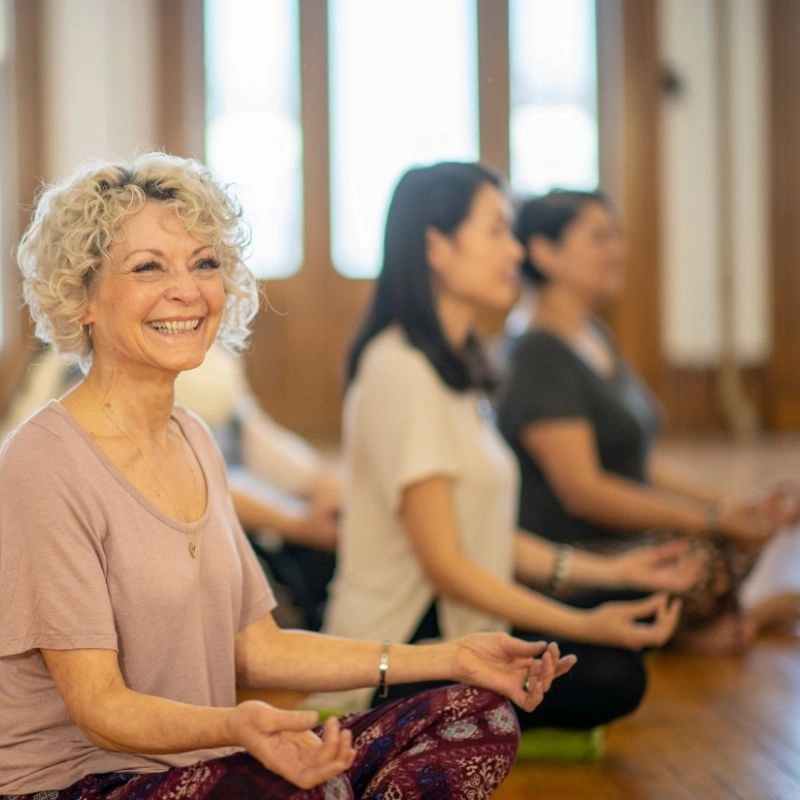
We make your yoga course in Rishikesh smooth and safe.
Free airport pickup from Dehradun Jolly Grant Airport
Pre-arrival guidance
Visa support information
Safe neighborhood environment
Assistance for solo female travelers
Our team ensures you feel supported from arrival to graduation.
Why International Students Choose Our Kundalini Yoga Teacher Training
Every year, students from the USA, Canada, the UK, Germany, France, Spain, Australia, and many other countries join our Kundalini Yoga Teacher Training in Rishikesh. We provide English-language instruction, airport pickup assistance, comfortable accommodation, beginner-friendly guidance, and ongoing support before and during your stay. Whether you are traveling solo or beginning your first yoga certification journey, our welcoming international community helps you feel safe, connected, and inspired.
Career Opportunities After Completing a 200 Hour Kundalini Yoga Teacher Training
Graduates of our 200 Hour Kundalini Yoga Teacher Training in Rishikesh may choose to teach group yoga classes, offer private sessions, organize retreats, work in wellness centers, or continue toward advanced 300 Hour training. Many students also integrate Kundalini Yoga into careers in coaching, holistic health, therapy, and mindfulness education. The training provides a strong foundation for sharing authentic yogic practices with communities around the world.
Certification & Career Benefits

Upon completion, you receive a 200 Hour Yoga Teacher Training Certificate aligned with Yoga Alliance standards.
Benefits include:
Eligibility to register as RYT 200 (depending on governing requirements)
Ability to teach internationally
Strong foundation for 300 Hour advanced training
Professional credibility
Confidence to lead classes safely
This is your first major step into the global yoga profession.
Why Learn Kundalini Yoga in India Instead of Online?
While online yoga courses offer flexibility, studying Kundalini Yoga in India provides a complete immersive experience that cannot be replicated digitally. Daily practice, direct interaction with experienced teachers, traditional ceremonies, meditation by the Ganges, and living a yogic lifestyle create an environment for profound personal transformation. Learning in Rishikesh allows students to experience the cultural and spiritual roots of yoga while building confidence through real classroom teaching practice.
Frequently Asked Questions
Is this 200 hour training beginner friendly?
Yes. It is designed for beginners with dedication and openness.
Can I teach after completing this course?
Yes. This certification qualifies you to begin teaching and register as a 200-hour teacher under Yoga Alliance guidelines.
Is Rishikesh safe for foreigners?
Yes. Rishikesh is one of the safest spiritual towns in India, welcoming thousands of international students every year
Do I need prior yoga experience?
Basic familiarity helps, but discipline and sincerity are more important than flexibility.
What should I bring?
Comfortable clothing, personal essentials, yoga mat (optional), notebook, and an open mind.
How to Reach Rishikesh Yoga Valley
Rishikesh Yoga Valley is beautifully located in the heart of Rishikesh, making it easily accessible for students joining our 200 Hour Kundalini Yoga Teacher Training in Rishikesh by air, train, or road.
By Air:
The nearest airport is Jolly Grant Airport (DED), approximately 25 km from our school. Airport pickup service is available upon request for your convenience.
By Train:
The closest railway station is Haridwar Junction, located around 25 km away. Taxi transfers to Rishikesh can be arranged smoothly.
By Road:
Direct taxis and comfortable Volvo buses operate daily from Delhi, with a travel time of about 5–7 hours.
Once your booking is confirmed, simply share your travel details and our team will ensure a smooth and hassle-free arrival experience.
Our Other Yoga TTC
Beginner
- Certification of Completion
- Duration: 11 Days/ 100 Hours
- Style: Hatha, Ashtanga, Vinyasa flow
Beginner & Intermediate
- Certification of Completion
- Duration: 24 Days/ 200 Hours
- Style: Hatha, Ashtanga, Vinyasa flow
Advance
- Certification of Completion
- Duration: 28 Days/ 300 Hours
- Style: Hatha, Ashtanga, Vinyasa flow