
Beginner’s Guide to Yoga: The Complete Step-by-Step Guide for Beginners

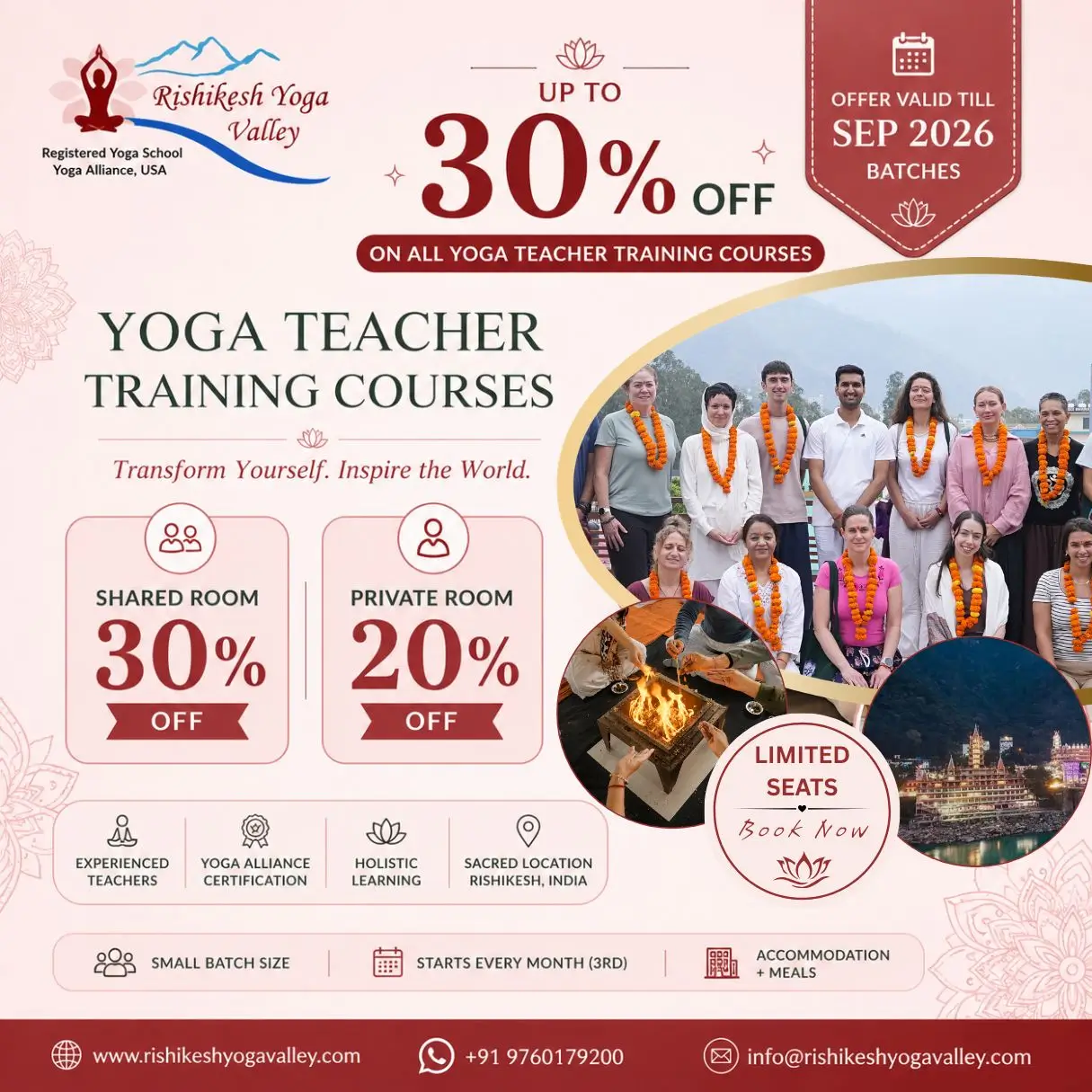
Group photo of 200 hour yoga teacher training students and teachers at yoga ashram in Rishikesh with Himalayan mountain backdrop

If you’re searching for a complete beginner’s guide to yoga, you probably feel excited — and maybe slightly confused. With so many yoga styles, poses, breathing techniques, and teacher training programs available, starting yoga can feel overwhelming.

This comprehensive yoga guide for beginners will walk you through everything step-by-step — from understanding what yoga really is, to choosing the right yoga class, learning foundational poses, avoiding injuries, and even exploring yoga teacher training if you wish to go deeper.

By the end of this guide, you’ll feel confident, prepared, and ready to begin your yoga journey.

What Is Yoga?

Yoga is an ancient mind-body practice that combines:

  • Physical postures (Asanas)

  • Breath control (Pranayama)

  • Meditation

  • Mindfulness

  • Yogic philosophy

For beginners, yoga is not about flexibility. It’s about connection — between body, breath, and awareness.

Modern science confirms that yoga improves flexibility, strength, posture, mental clarity, emotional stability, and nervous system regulation.

Why Beginners Should Start Yoga

Starting yoga as a beginner offers powerful benefits:

Physical Benefits

  • Improves flexibility

  • Builds lean muscle strength

  • Enhances posture

  • Improves joint mobility

  • Supports weight balance

Mental Benefits

  • Reduces stress and anxiety

  • Improves sleep quality

  • Increases focus

  • Balances mood

Emotional & Energetic Benefits

  • Builds self-awareness

  • Improves breath awareness

  • Increases energy levels

  • Enhances emotional resilience

How to Start Yoga as a Beginner

Step 1: Choose the Right Yoga Style

Best yoga styles for beginners:

Hatha Yoga

Slow-paced and alignment-focused.

Yin Yoga
Gentle and deeply relaxing.

Slow Vinyasa

Breath-based flow, beginner-friendly if guided properly.

Avoid fast-paced power yoga in the beginning.


Step 2: Start with Basic Yoga Poses for Beginners

Here are essential foundational poses:

  • Mountain Pose (Tadasana)

  • Downward Facing Dog (Adho Mukha Svanasana)

  • Child’s Pose (Balasana)

  • Warrior I (Virabhadrasana I)

  • Cat-Cow Stretch

  • Cobra Pose (Bhujangasana)

  • Bridge Pose (Setu Bandha Sarvangasana)

These poses create strength, flexibility, and body awareness.


Step 3: Focus on Breath (Pranayama for Beginners)

Breathing is the heart of yoga.

Start with:

  • Deep diaphragmatic breathing

  • Equal inhale and exhale breathing

  • Simple awareness breathing

Never hold your breath unless instructed by a qualified teacher.

Beginner Yoga Mistakes to Avoid

Many beginners make these mistakes:

  • Forcing flexibility

  • Comparing themselves to others

  • Ignoring pain signals

  • Holding their breath

  • Skipping warm-ups

Yoga is a personal journey — not a competition

How Often Should Beginners Practice Yoga?

Ideal beginner schedule:

  • 2–3 times per week

  • 20–45 minutes per session

  • Focus on consistency over intensity

Consistency builds strength and flexibility safely.

What Equipment Do Beginners Need?

You only need:

  • A non-slip yoga mat

  • Comfortable clothes

  • Optional yoga blocks

  • Optional yoga strap

You do not need expensive gear to begin.

Yoga at Home vs Yoga Classes

Yoga at Home

Pros:

  • Flexible schedule

  • Comfortable environment

Cons:

  • No alignment correction

  • Easier to develop bad habits

Studio Classes

Pros:

  • Professional guidance

  • Alignment correction

  • Community motivation

For true beginners, at least a few guided sessions are recommended.

Can Beginners Join Yoga Teacher Training?

Many people believe teacher training is only for advanced practitioners — this is not true.

A 200-hour yoga teacher training can:

  • Deepen your personal practice

  • Improve alignment knowledge

  • Teach yoga philosophy

  • Build confidence

  • Prepare you to teach

If you’re serious about yoga, teacher training accelerates growth.

The Long-Term Benefits of Yoga for Beginners

With regular practice, yoga can:

  • Improve spine health

  • Strengthen core muscles

  • Improve digestion

  • Enhance immunity

  • Improve emotional balance

  • Increase mindfulness

Yoga becomes a lifestyle, not just exercise.

FAQ

Is yoga hard for beginners?

No. Start with beginner-friendly classes and move at your own pace.

How flexible do I need to be to start yoga?

You do not need to be flexible at all. Flexibility develops over time.

Can beginners do yoga every day?

Yes, but start gently and listen to your body.

What is the best yoga style for beginners?

Hatha and Yin Yoga are ideal for beginners.

How long before I see results from yoga?

You may feel mental benefits immediately. Physical changes appear within 4–6 weeks.

Students doing meditation

What is the importance of yoga and meditation in students lives?

Why Students Need Yoga and Meditation Yoga and meditation are essential for students because they...

Read Full Blog
Logo - Rishikesh Yoga Valley

The Story Behind Our Logo – Rishikesh Yoga Valley

Logo was to represent every element of Rishikesh. He wished for everyone who visits Rishikesh...

Read Full Blog
200 Hour Yoga Student Cerification Day at Rishikesh Yoga Valley

5 Invaluable Lessons & Experiences of Our 200 Hour Yoga TTC Students

5 Life-Changing Lessons Our Students Learn in the 200-Hour Yoga Teacher Training at Rishikesh Yoga...

Read Full Blog

Our Yoga School in Rishikesh

Fill out form to know more about Yoga Teacher Training and Yoga Retreat in Rishikesh, India