Namaste Meaning: What It Truly Means, Why Yogis Say It, and Its Spiritual Power
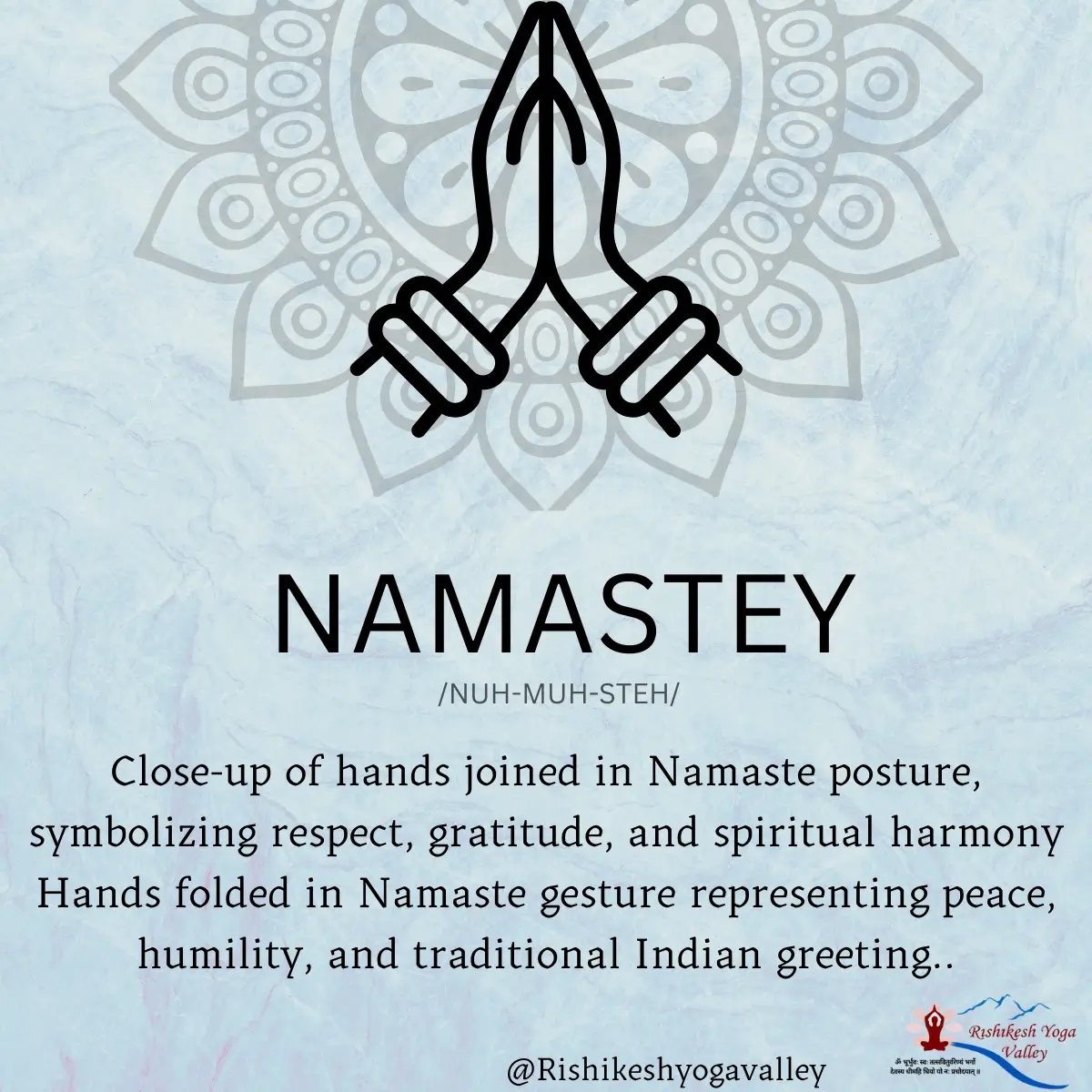
Many believe Namaste simply means “hello” or “goodbye”… but in yogic tradition, it carries a much deeper spiritual meaning that most people never truly understand.
If you’ve ever attended a yoga class, visited India, or heard spiritual teachers speak, you’ve likely heard the word Namaste.
But what does Namaste really mean?
Is it just another way of saying hello?
Or is there something deeper happening?
This guide goes far beyond surface explanations. By the end, you will understand:
The literal Sanskrit meaning
The spiritual meaning in Vedanta and yoga
The cultural history of Namaste
Why yogis say Namaste at the end of class
The correct pronunciation and gesture
The difference between Namaste and Namaskar
Common misconceptions
Whether you should say it — and how
Let’s go deeper.
What Does Namaste Mean?
Namaste literally means: “I bow to you.”
The word comes from Sanskrit:
Namaḥ = bow, salutation, reverence
Te = to you
So grammatically:
Namaḥ + te = Namaste
“Salutations to you”
“I bow to you”
But that’s just the beginning.
What Does “I Bow to You” Actually Mean?
In traditional Indian philosophy, the meaning goes beyond politeness.
It implies:
“I bow to the Divine within you.”
Or more deeply:
“The same universal consciousness that lives in me lives in you.”
Here’s what that means in simple terms:
Imagine the ocean.
Each wave looks separate — different sizes, shapes, movements.
But every wave is still water.

Similarly:
Every person looks separate
But the essence of each person is the same universal reality
When someone says Namaste, they are acknowledging that shared essence.
The Spiritual Meaning of Namaste (Vedantic Perspective)
In Vedanta (the philosophical foundation of yoga), reality is understood as:
Brahman – the absolute, infinite consciousness
Jiva – the individual person
Namaste symbolizes:
The Divine (Brahman) in me recognizing the Divine (Brahman) in you.
This removes ego from the interaction.
Instead of:
Comparing
Competing
Judging
Namaste invites:
Humility
Unity
Awareness
Reverence
It is not submission.
It is recognition.
Why Do Yogis Say Namaste at the End of Class?
In yoga classes, Namaste is usually said at the end — not the beginning.
Why?
Because yoga is designed to:
Quiet the ego
Reduce mental noise
Increase awareness
Bring you into alignment
At the end of class, students are calmer and more centered.
Saying Namaste then becomes:
A gesture of gratitude
A moment of unity
A recognition of shared presence
A respectful closing of sacred space
It transforms a workout into a conscious experience.
Learn the true tradition of yoga and become a certified teacher from its roots
The Namaste Gesture (Anjali Mudra Explained)
Namaste is not just spoken. It is performed.
The gesture includes:
Palms pressed together
Hands at the heart center (or forehead)
Slight bow of the head
This hand position is called Anjali Mudra.
Why palms together?
Symbolically:
Left and right hands = duality
Joining them = unity
It represents harmony between:
Mind and body
Self and other
Individual and universal
Why bow the head?
The bow represents:
Humility
Respect
Ego softening
It’s a physical reminder of inner alignment.
Namaste vs Namaskar: What’s the Difference?
Both come from the same root (namaḥ).
Namaste – common greeting
Namaskar – more formal or traditional version
Namaskar is often used in:
Formal settings
Religious contexts
Rituals
Namaste is widely used conversationally.
Both mean essentially the same thing.
Is Namaste Religious?
Short answer: No — but it has spiritual roots.
Namaste originated in Hindu culture and Sanskrit tradition.
However, today it is:
Cultural
Social
Spiritual
Secular in many contexts
In India, people say Namaste:
On the street
At home
In business
To elders
To strangers
It functions as:
Hello
Goodbye
Respectful greeting
It is not limited to religion.
How Did Namaste Enter English?
Namaste entered English in the 20th century as Western awareness of India increased.
It became widely recognized through:
Yoga movements
Spiritual teachers
Indian independence-era reporting
Cultural exchange
Today, it is one of several Sanskrit words commonly used in English, alongside:
Karma
Nirvana
Mantra
Yoga
Its spelling stabilized in the mid-1900s.
Slow down, Reconnect and Experience the Traditional Yoga in the Heart of Rishikesh
Is It Appropriate to Say Namaste Outside India?
Yes — if used respectfully.
However:
Avoid:
Using it as a trendy catchphrase
Over-spiritualizing it
Saying it mockingly
Treating it as aesthetic branding
Use it with:
Awareness
Respect
Proper pronunciation
Correct pronunciation:
Nah-mah-stay
Not:
Nahm-stay
Nah-mass-tee
Common Misconceptions About Namaste
❌ It only means “hello.”
It can mean hello — but it carries deeper meaning.
❌ It’s only for yoga teachers.
It is a traditional greeting used daily in India.
❌ It’s religious preaching.
It can be spiritual — but it is also cultural and social.
❌ It means “the light in me sees the light in you.”
That is a poetic interpretation, not the literal translation.
When Should You Say Namaste?
You can use it:
At the end of yoga practice
As a respectful greeting
When offering gratitude
In spiritual contexts
It is especially appropriate when:
You want to express humility
You want to honor someone
You wish to acknowledge shared humanity
The Deeper Teaching Hidden in Namaste
Namaste is more than etiquette.
It is a reminder.
A reminder that:
You are not separate
You are not small
You are not isolated
Your essence is shared
If understood properly, Namaste becomes a teaching tool.
It gently dissolves ego and reinforces unity.
FAQ
What does Namaste literally mean?
Namaste literally means “I bow to you.” It comes from Sanskrit: namaḥ (bow) + te (to you).
What is the spiritual meaning of Namaste?
Spiritually, Namaste means recognizing the Divine or universal consciousness in another person.
Is Namaste a Hindu word?
Namaste originates from Sanskrit and Hindu culture, but today it is widely used socially and culturally beyond religion.
Why do yoga teachers say Namaste?
Yoga teachers say Namaste to close practice with gratitude, unity, and respect.
What is the difference between Namaste and Namaskar?
Namaste is a common greeting; Namaskar is a more formal variation. Both mean offering respectful salutations.
Is it disrespectful for non-Indians to say Namaste?
No — as long as it is used respectfully and not as a trend or caricature.
What does Namaste mean in yoga?
In yoga, Namaste signifies unity, shared presence, and acknowledgment of deeper consciousness.
Check out our Retreats in Rishikesh for Beginners and intermediates: