Padmasana (Lotus Pose): Complete Guide to a Safe, Pain‑Free & Meditative Lotus

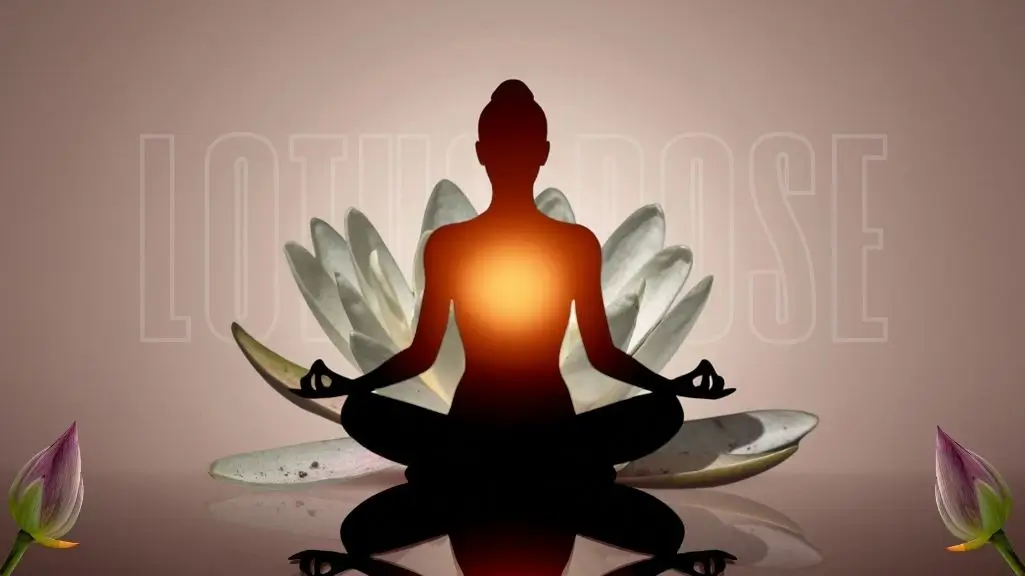
LOTUS POSE

What Is Padmasana? (Meaning & Origin)

Padma means lotus, and asana means posture.

Pronunciation: Puh‑DAH‑muh‑suh‑nuh

Padmasana symbolizes inner purity and spiritual awakening. Just as the lotus rises untouched from muddy water, this posture represents clarity of mind, detachment, and enlightenment, even amidst worldly challenges.

Padmasana is known as Vajra Position in Tibetan and Chinese Buddhism and is traditionally used for meditation (Dhyana), pranayama, and mantra practices.

Why Padmasana Is Considered the Best Meditation Pose

Unlike casual seated positions, Padmasana creates:

  • A stable triangular base through the knees and pelvis

  • An upright, effortless spine

  • Minimal muscular effort for long sitting

  • Balanced stimulation of the parasympathetic nervous system

Modern neuroscience confirms that stable seated postures with spinal alignment help reduce mental noise, improve focus, and deepen meditative states.

Padmasana naturally encourages alpha and theta brainwave dominance-associated with calm alertness and deep awareness.

How to Do Padmasana (Lotus Pose) - Step‑by‑Step (Safe Method)

  1. Sit on the floor in Dandasana (legs extended, spine upright).

  2. Bend the right knee, externally rotate from the hip (not the knee), and gently place the foot onto the left thigh, sole facing upward.

  3. Bend the left knee and place the foot onto the right thigh in the same manner.

  4. Knees ideally rest toward the floor without force.

  5. Lengthen the spine upward; keep the chest open and shoulders relaxed.

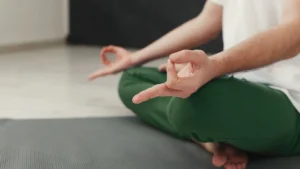
  6. Place hands on knees in a meditative mudra.

  7. Close the eyes and breathe slowly through the nose.

⏱ Hold: 1-5 minutes initially, progressing to longer meditation sittings.

Mudras for Padmasana (Energy & Focus Enhancement)

Practicing Padmasana with mudras enhances pranic flow and mental stillness:

  • Chin Mudra: Improves concentration and meditation depth

  • Chinmaya Mudra: Encourages internal awareness

  • Adi Mudra: Grounds the nervous system

  • Brahma Mudra: Balances prana across the body

Hold any mudra for several minutes while observing breath and sensations.

Padmasana for Beginners (Important Progression)

Full Padmasana requires hip flexibility, not knee force.

Begin with:

  • Ardha Padmasana (Half Lotus)

  • Sukhasana (Easy Pose)

  • Using props under knees or hips

⚠️ Never force the feet onto the thighs. Knee pain is a sign to stop immediately.

Scientifically Proven Benefits of Padmasana

Physical Benefits

  • Improves postural alignment and spinal stability

  • Enhances hip mobility and ankle flexibility

  • Stimulates digestion and abdominal organs

  • Reduces muscular tension in the lower body

Nervous System & Mental Benefits

  • Activates the parasympathetic (relaxation) response

  • Lowers stress hormones like cortisol

  • Improves focus, emotional regulation, and mental clarity

Therapeutic & Lifestyle Benefits

  • May help regulate blood pressure

  • Reduces menstrual discomfort (when practiced before cycles)

  • Supports prenatal breathing awareness (with guidance)

These benefits are amplified when Padmasana is combined with pranayama or meditation.
Chakras Activated in Padmasana

Padmasana creates an aligned pathway for kundalini energy:

  • Muladhara (Root Chakra) – grounding and stability

  • Swadhisthana (Sacral Chakra) – fluidity and emotional balance

  • Manipura (Solar Plexus) – inner strength

  • Anahata (Heart Chakra) – calm awareness

Contraindications & Safety Guidelines

Avoid or modify Padmasana if you have:

  • Knee or ankle injuries

  • Recent hip or spinal surgery

  • Severe sciatica or disc herniation

✔ Practice under guidance if recovering from injury.

✔ Use props liberally-comfort is essential for meditation.

Preparatory Poses Before Padmasana

  • Baddha Konasana (Bound Angle Pose)

  • Janu Sirsasana (Head‑to‑Knee Pose)

  • Ardha Matsyendrasana (Spinal Twist)

These poses gradually open hips and protect the knees.

Counter Poses After Padmasana

  • Paschimottanasana (Seated Forward Bend)

  • Adho Mukha Svanasana (Downward‑Facing Dog)

  • Savasana (Corpse Pose)

Anatomy & Biomechanics (Scientifically Accurate)

Padmasana primarily involves:

  • External hip rotation (gluteus medius, tensor fascia lata)

  • Pelvic stabilization (psoas, sartorius)

  • Knee joint protection via hamstring and quadriceps engagement

⚠️ Knee safety depends entirely on hip flexibility, not force.

Why Padmasana Is Central to Classical Yoga

Padmasana is described in classical texts such as the Gheranda Samhita and is traditionally used for:

  • Pranayama

  • Dhyana (meditation)

  • Mantra Japa

  • Kundalini practices

Its stillness allows the mind to settle naturally, making it unmatched for inner practices.

Final Thoughts

Padmasana is not about achieving an aesthetic posture – it is about creating the ideal internal environment for meditation. With patience, correct preparation, and awareness, Lotus Pose becomes a gateway to deep stillness and self‑realization.

Yoga is not about forcing the body, but listening to it.

Meditaion during sunset

MEDITATION – Self to Oneness

Meditation can be on divine forms as well as on OM. As one goes on...

Read Full Blog
Ashwini mudra

Ashwini Mudra (Horse Gesture): Meaning, Steps, Benefits & Yoga Tips

Ashwini Mudra – Meaning, Technique & Real Benefits (Complete Guide) Ashwini Mudra is one of...

Read Full Blog
LOTUS POSE

Padmasana (Lotus Pose): Complete Guide to a Safe, Pain‑Free & Meditative Lotus

Padmasana (Lotus Pose): Complete Guide to a Safe, Pain‑Free & Meditative Lotus What Is Padmasana?...

Read Full Blog

Our Yoga School in Rishikesh

Fill out form to know more about Yoga Teacher Training and Yoga Retreat in Rishikesh, India