
200 Hour YTT in Rishikesh vs Bali
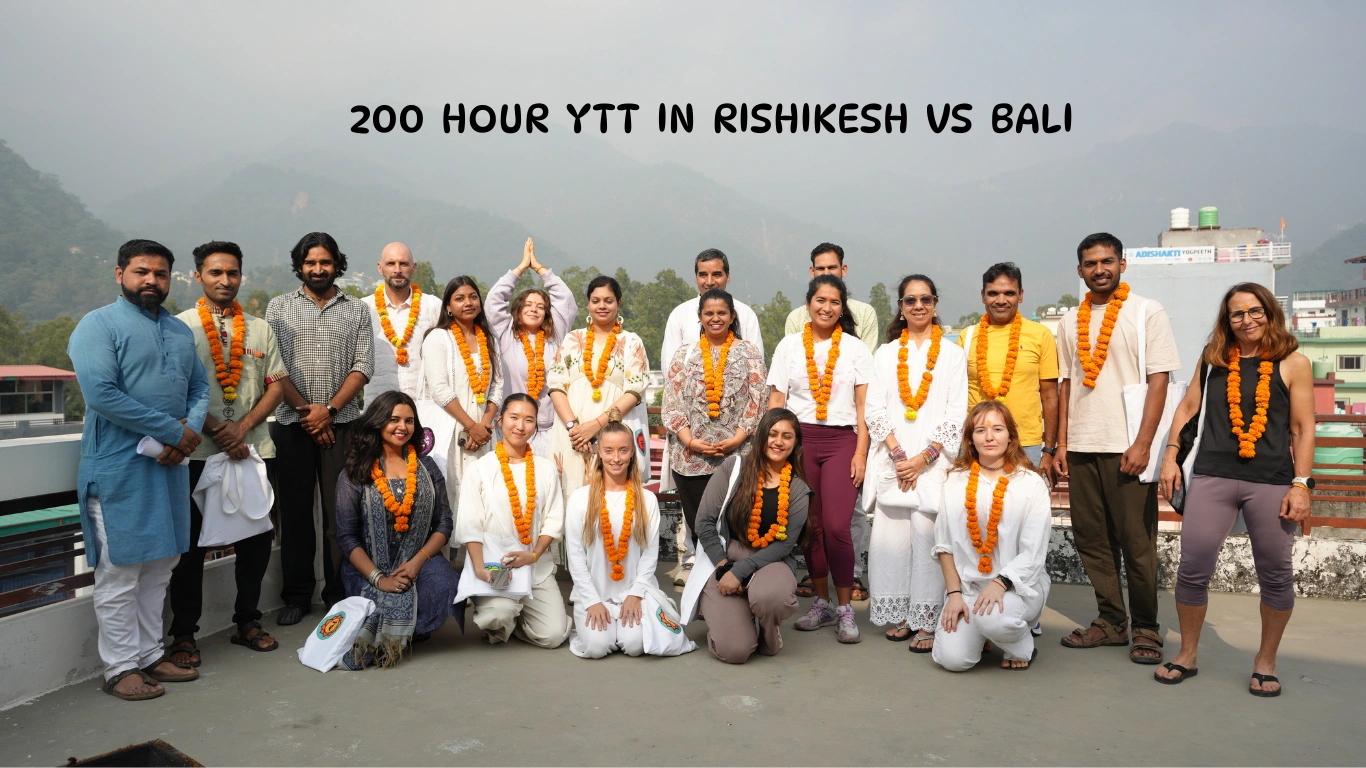
Choosing where to complete your 200-hour Yoga Teacher Training (YTT) is one of the most important decisions in your yoga journey. Two of the most popular destinations are Rishikesh, India and Bali, Indonesia. Both attract thousands of international students each year, offer Yoga Alliance–recognized certification, and provide immersive training environments.
However, the cost, cultural experience, training style, accommodation quality, and long-term teaching value differ significantly between the two destinations.
This comprehensive guide compares Rishikesh vs Bali for 200 Hour YTT across cost, immersion, certification recognition, visa requirements, safety, and career outcomes to help you choose the best option.
Quick Comparison: Rishikesh vs Bali
| Factor | Rishikesh, India | Bali, Indonesia |
|---|---|---|
| Average Tuition | $800 – $1,600 | $2,000 – $3,500 |
| Typical Course Duration | 24–28 days | 21–28 days |
| Accommodation | Usually included | Sometimes included |
| Meals | Usually included | Often included |
| Total Estimated Budget | $2,200 – $3,000 | $3,000 – $5,500 |
| Cultural Experience | Traditional yogic lifestyle | Wellness retreat culture |
| Teaching Style | Philosophy + classical yoga | Modern yoga + holistic wellness |
| Certification | Yoga Alliance recognized | Yoga Alliance recognized |
| Environment | Spiritual town in Himalayas | Tropical island retreat |
Many students find that Rishikesh offers lower costs and deeper spiritual immersion, while Bali offers comfort, luxury retreats, and modern wellness culture.
Understanding the 200 Hour Yoga Teacher Training Certification
A 200-hour YTT is the global entry-level qualification required to teach yoga professionally.
Most schools follow standards set by Yoga Alliance, which defines the curriculum for registered programs.
Typical course modules include:
Asana practice (Hatha, Ashtanga, Vinyasa)
Yoga philosophy
Anatomy and physiology
Teaching methodology
Alignment and adjustments
Meditation and pranayama
Ethics and professional development
Upon completion, graduates can register as RYT-200 (Registered Yoga Teacher) and teach internationally.
Cost Breakdown: Rishikesh vs Bali
Cost is often the primary factor when deciding between yoga teacher training destinations. However, tuition alone does not tell the full story. Accommodation, food, travel, and visa costs significantly affect the true total investment.
Cost of 200 Hour YTT in Rishikesh
Rishikesh is one of the most affordable destinations for yoga teacher training worldwide.
Typical course prices:
| Program Level | Cost Range |
|---|---|
| Budget | $800 – $1,000 |
| Mid-range | $1,100 – $1,600 |
| Premium | $1,700 – $2,500 |
Some schools offer programs as low as $820 including accommodation and meals.
Many programs include:
Accommodation
Three vegetarian meals daily
Course materials
Yoga Alliance certification
Excursions
Typical training lasts about 25 days with residential immersion.
Realistic Total Budget for Rishikesh
| Expense | Typical Cost |
|---|---|
| Course + accommodation | $900 – $1,600 |
| Flights | $600 – $1,200 |
| Visa | $50 – $100 |
| Personal spending | $200 – $400 |
| Travel insurance | $80 – $150 |
| Total Estimated Cost | $2,200 – $3,000 |
A typical 200-hour YTT in Rishikesh costs around $1,200–$1,600 for the program itself, often including housing and meals.
Cost of 200 Hour YTT in Bali
Yoga teacher training in Bali tends to be more expensive due to tourism infrastructure and luxury retreat facilities.
Typical price ranges:
| Program Type | Cost |
|---|---|
| Budget | $1,000 – $1,500 |
| Mid-range | $2,000 – $2,700 |
| Premium retreat | $3,000 – $5,000 |
Most intensive 200-hour courses cost $2,500–$3,500 and last about 3–4 weeks.
Some programs charge around $3,000 for a three-week course excluding accommodation, which can add another $1,400–$2,000.
Realistic Total Budget for Bali
| Expense | Typical Cost |
|---|---|
| Tuition | $2,000 – $3,000 |
| Accommodation | $800 – $1,500 |
| Food | $300 – $600 |
| Flights | $700 – $1,500 |
| Visa | $35 – $150 |
| Personal spending | $300 – $600 |
| Total Estimated Cost | $3,500 – $5,500 |
Some all-inclusive Bali programs offer packages around €1,600–€2,300 including accommodation and meals.
Beyond Survival: Thriving with Mindfulness
The real question is not whether yoga will survive AI. The deeper inquiry is: will we survive without it?
As the machine age accelerates, mindfulness becomes not a luxury, but a necessity. Every inhale is a return to humanity, every exhale a reminder that no algorithm can replicate the essence of being alive.
Cost Comparison Chart
| Cost Category | Rishikesh | Bali |
|---|---|---|
| Tuition | $800 – $1,600 | $2,000 – $3,500 |
| Accommodation | Included | Often separate |
| Meals | Included | Sometimes included |
| Flights | $600 – $1,200 | $700 – $1,500 |
| Total Budget | $2,200 – $3,000 | $3,500 – $5,500 |
Key insight: Rishikesh can be 30–50% cheaper overall than Bali.
Experience Comparison
Cultural Immersion
Rishikesh
Rishikesh is widely known as the “Yoga Capital of the World.”
The town sits on the banks of the Ganges River and has deep roots in yogic tradition.
Students experience:
Ashram living
Sanskrit chanting
Meditation practices
Study of ancient yoga scriptures
Ganga Aarti ceremonies
Yogic vegetarian diet
The environment focuses on traditional yogic lifestyle and philosophy.
Bali
Bali offers a very different environment.
Known as a global wellness tourism hub, Bali combines yoga with:
tropical retreats
surf culture
spa and wellness experiences
luxury accommodations
holistic therapies
Students often experience:
temple visits
Balinese ceremonies
sound healing
nature excursions
Many programs integrate modern wellness practices with yoga training.
Training Style and Curriculum
Both destinations follow Yoga Alliance standards, but the teaching emphasis varies.
Rishikesh Programs
Focus areas often include:
Classical Hatha yoga
Ashtanga yoga
Yoga philosophy
Meditation traditions
Sanskrit chanting
Spiritual discipline
Bali Programs
Programs often emphasize:
Vinyasa flow
Yin yoga
mindfulness practices
sound healing
wellness coaching
These programs may combine traditional yoga with modern holistic practices.
Accommodation Differences
Rishikesh
Most schools include accommodation as part of the package.
Common options:
Shared dorm rooms
Private rooms (upgrade)
Ashram-style lodging
Facilities usually include:
Wi-Fi
yoga halls
study areas
vegetarian dining hall
Bali
Accommodation varies significantly depending on the program.
Options include:
eco-resorts
boutique villas
guesthouses
luxury retreat centers
Some programs include housing, while others require students to book their own.
Food and Lifestyle
Rishikesh
Food is typically sattvic vegetarian cuisine, designed to support meditation and yoga practice.
Typical meals include:
rice and dal
vegetable curries
fruit
herbal teas
Meals are usually included in course fees.
Bali
Food options in Bali are more diverse.
Common offerings include:
vegetarian
vegan
smoothie bowls
tropical fruit
plant-based cuisine
However, not all programs include full meals.
Hidden Costs to Consider
Hidden Costs in Rishikesh
Possible extra expenses:
flights
visa
excursions
Ayurvedic treatments
travel insurance
Hidden Costs in Bali
Additional costs may include:
accommodation
scooter rental
excursions
wellness treatments
visa extensions
Flights and visa fees can significantly increase the total cost of training abroad.
Visa Requirements
India
Most international students use an Indian tourist e-visa.
Typical details:
Cost: $50–$100
Validity: 30–90 days
Online application
Indonesia (Bali)
Visitors usually use a Visa on Arrival (VOA).
Typical details:
Cost: about $35
Validity: 30 days
Extendable to 60 days
Safety Considerations
Both destinations are popular yoga hubs and host thousands of students annually.
Rishikesh
Generally considered safe due to:
strong spiritual community
yoga tourism infrastructure
quiet Himalayan environment
Bali
Also considered safe, but common tourist issues include:
scooter accidents
petty theft
tourist scams
Standard travel precautions are recommended.
Long-Term Teaching Value
Graduates from both locations receive Yoga Alliance–recognized certification, allowing them to teach worldwide.
Career opportunities include:
yoga studios
wellness centers
gyms
private clients
retreats
online classes
Your teaching success depends more on experience, marketing, and specialization than where you completed your initial training.
Return on Investment (ROI)
ROI: Rishikesh
Advantages:
lowest training cost
traditional yogic knowledge
immersive environment
strong spiritual foundation
Disadvantages:
basic accommodation
cultural adjustment required
intense schedule
Best for:
students seeking authentic yoga traditions
budget-conscious travelers
long-term yoga practitioners
ROI: Bali
Advantages:
comfortable retreat settings
modern wellness training
beautiful environment
balanced lifestyle experience
Disadvantages:
higher cost
less traditional yoga immersion
Best for:
wellness professionals
retreat lovers
students seeking comfort and lifestyle balance
Decision Framework: Rishikesh or Bali?
Use this quick framework.
Choose Rishikesh if you want:
authentic yoga philosophy
traditional ashram training
lower costs
spiritual immersion
disciplined learning environment
Choose Bali if you want:
retreat-style training
luxury environment
wellness lifestyle
tropical destination experience
FAQs
Is yoga teacher training cheaper in Rishikesh or Bali?
Rishikesh is generally cheaper. Total training costs typically range $2,200–$3,000, while Bali programs often cost $3,500–$5,500 including travel and accommodation.
Is certification from Bali or Rishikesh recognized internationally?
Yes. If the school is registered with Yoga Alliance, the certification is recognized worldwide.
Which destination is better for spiritual yoga training?
Rishikesh is widely considered better for traditional yoga philosophy and spiritual immersion because it is a historic center of yoga practice.
Which destination offers better accommodation?
Bali generally offers more luxurious accommodations such as villas, eco-resorts, and retreat centers.
Can beginners join a 200-hour yoga teacher training?
Yes. The course is designed for beginners and intermediate practitioners who want to deepen their yoga practice or become instructors.