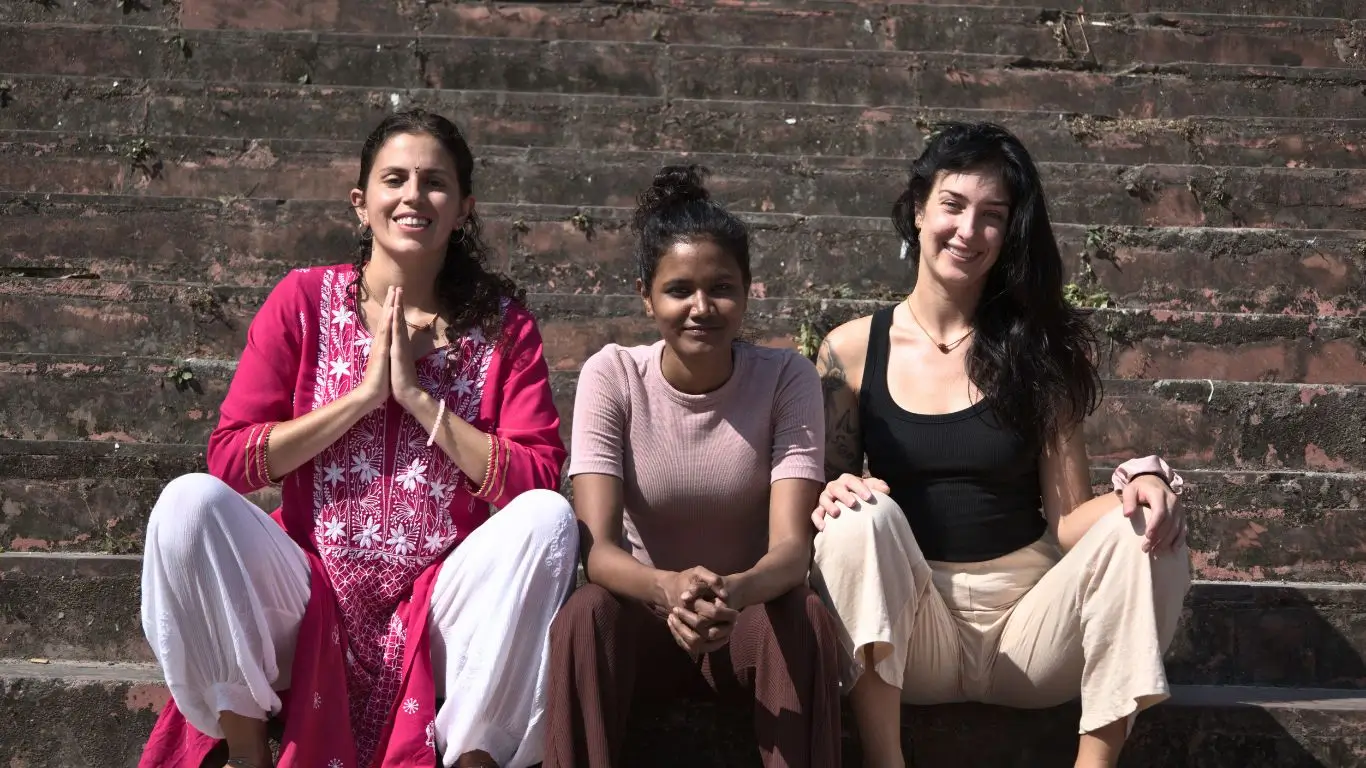
A yoga teacher training in Rishikesh isn’t only about asanas and deepening your practice — it’s a chance to actually live inside the spiritual character of this town. Between its connection to the Ganges and its long spiritual history, Rishikesh gives you plenty of ways to recharge outside of training hours. Here’s a guide to making the most of that time.
10 Things to Do in Rishikesh Beyond the Mat
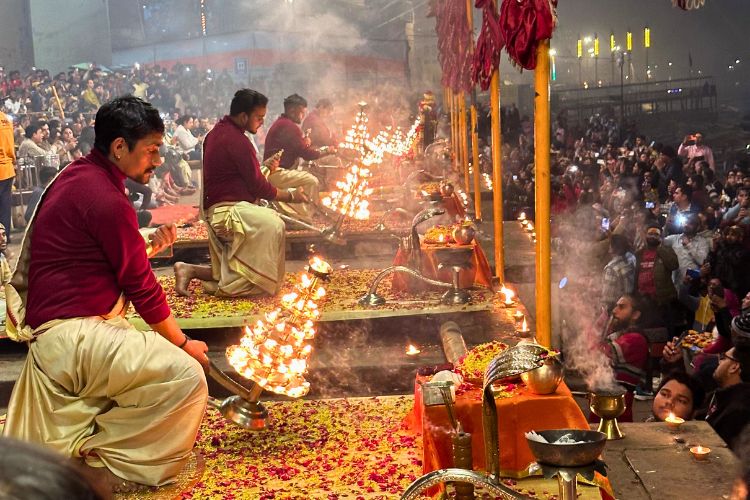
1. Experience the Ganga Aarti
Each evening, the Ganga Aarti fills the riverbank with a real sense of devotion — light, chants, and offerings honoring the Ganga, at a scale that’s hard to describe until you’ve stood in it. Parmarth Niketan hosts the largest and most well-known ceremony in town; arrive 20–30 minutes before sunset to get a spot with a clear view, since it fills up fast in peak season.
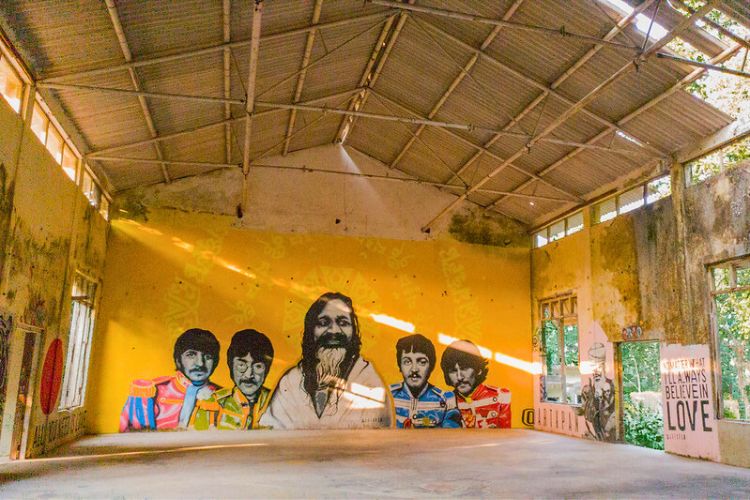
2. Explore the Historic Beatles Ashram
Officially the Maharishi Mahesh Yogi Ashram, this is where the Beatles stayed and wrote much of the White Album in 1968. It’s since been reclaimed by the jungle in parts and covered in murals and graffiti by visiting artists — half meditation site, half open-air gallery. for international participant: Rs 1200 and for Indian participant: Rs 150 — it’s run by the forest department now, not a religious institution, so check current visiting hours before planning your trip there.
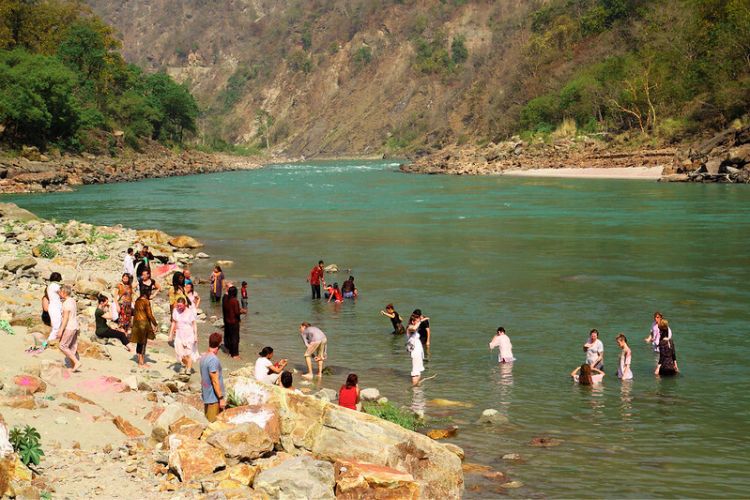
3. Purify Yourself with a Dip in the Ganges
Bathing in the Ganges is a practice with centuries of spiritual weight behind it, believed to cleanse both body and mind. Stick to designated ghats near the main town — the current gets genuinely strong once you’re past the shallows, even in sections that look calm from the bank, so this isn’t the place to swim out for a proper dip.
4. Indulge in an Ayurvedic Massage
After a full day of training, an Ayurvedic massage is one of the more direct ways to recover — sore muscles, better circulation, and a session built around your own dosha rather than a generic spa treatment. Rishikesh has genuine, long-established practitioners, not just tourist-facing spas, so it’s worth asking your teacher for a recommendation rather than picking the nearest signboard.
If you’re interested in a 200-hour yoga teacher training with expanded Ayurvedic knowledge, check out our 200-Hour Yoga Certification.

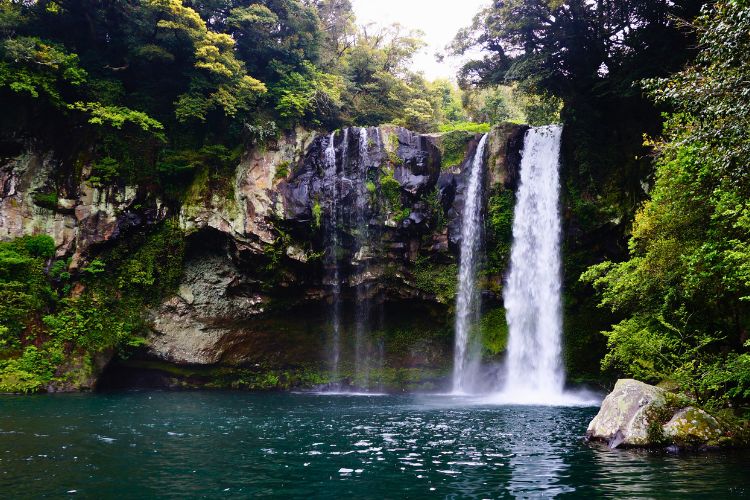
5. Hike to Neer Garh Waterfall
A short trek out of town, Neer Garh is genuinely quiet compared to the ghats — a natural pool at the base, good for sitting, meditating, or just getting away from a packed training schedule for an afternoon. Go earlier in the day if you want it to yourself; it fills up with day visitors by midday.
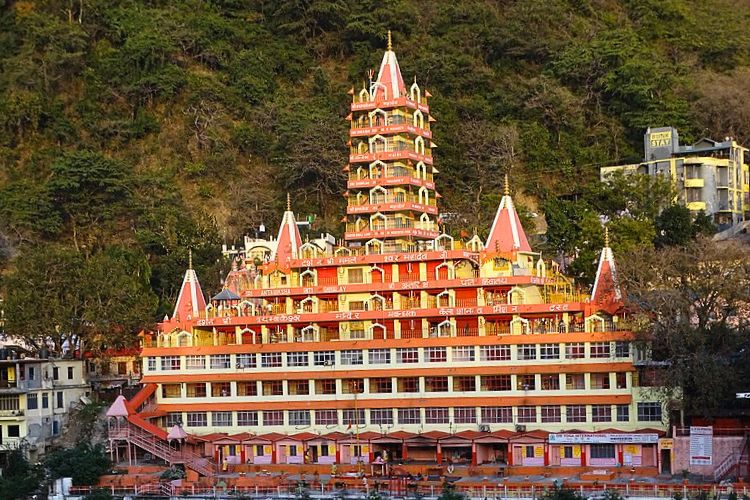
6. Visit Rishikesh’s Historic Temples
Temples like Trayambakeshwar and the cluster near Lakshman Jhula carry centuries of spiritual history, each with its own stories and rituals worth learning rather than just photographing. If the deeper “why” behind these places interests you, it connects to a lot of what shaped Rishikesh Yoga Valley’s own founding — the same mountains and river run through both.
7. Try River Rafting (If You’re Adventurous!)
The rapids on the Ganges here are genuinely well-regarded for whitewater rafting, and it’s a good reset from the stillness of daily training. Season matters a lot for this one — rafting typically runs March through June and resumes after monsoon; see our month-by-month Rishikesh weather guide if you want to time a training around it.

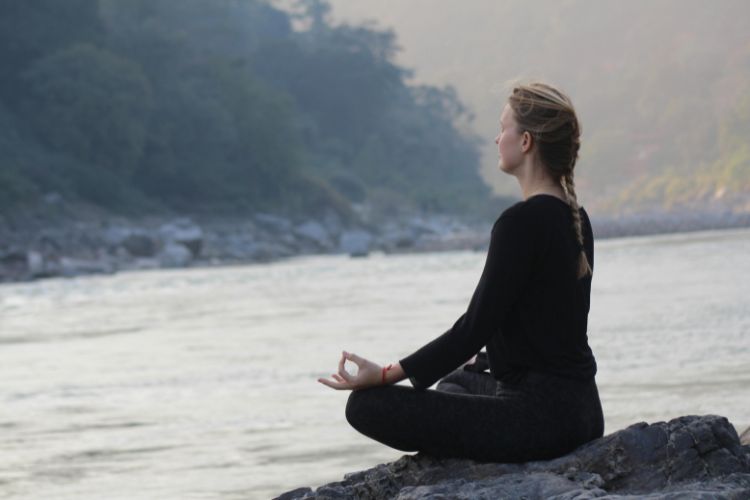
8. Take Morning Meditation by the River
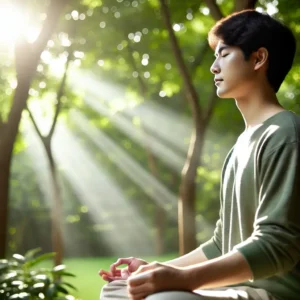
Early morning on the Ganga is genuinely different from any other time of day — the stillness, the temperature, the near-absence of noise. Find a quiet stretch of bank, sit before the town properly wakes up, and let the river’s sound anchor the sit rather than fighting for silence indoors.
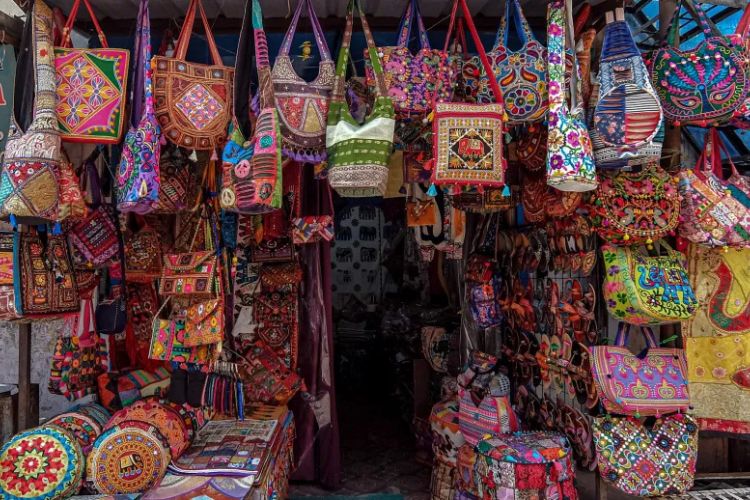
9. Explore the Local Markets
Rishikesh’s markets carry a real mix — spiritual artifacts, local clothing, Ayurvedic products — much of it made or sourced locally rather than mass-produced tourist stock. A good rule: prices are rarely fixed, so a bit of friendly negotiation is normal and expected, not rude.
10. Connect with Fellow Trainees
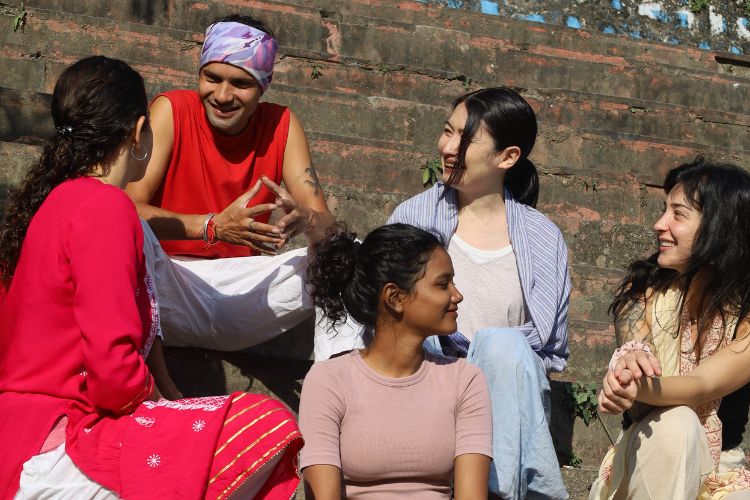
Training gets richer through the people going through it alongside you. A chai stall conversation after class, comparing notes on what’s landing and what isn’t, tends to teach you as much as the session itself did — community here isn’t a side benefit, it’s part of how the learning actually sticks.
Each of these experiences complements your practice rather than distracting from it — the town’s rhythm, its river, its people, all become part of what you take home alongside the certification itself. At Rishikesh Yoga Valley, we build time for exactly this into the training, not around it.
If you’re ready to build a training around this kind of experience, explore our Yoga Teacher Training courses in Rishikesh.