
Prone Yoga Poses (Belly-Down Asanas): Complete Guide
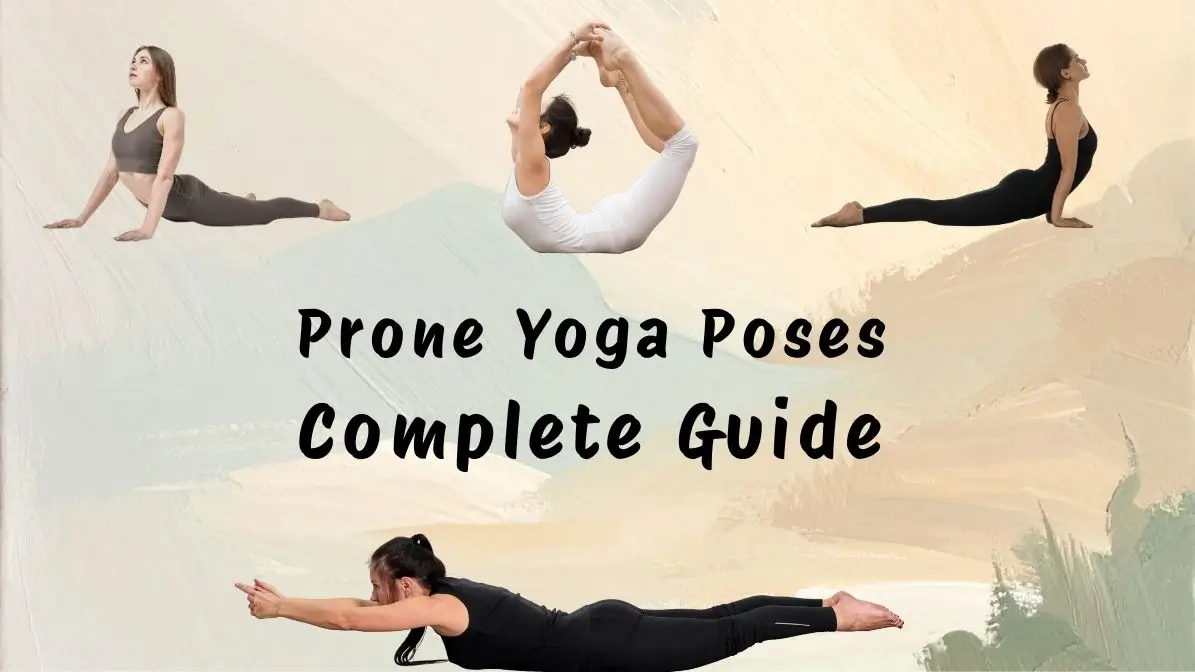
Prone yoga poses, also known as belly-down asanas, are postures practiced with the front of the body facing or resting on the floor. These poses are a fundamental part of yoga practice and are especially known for strengthening the spine, opening the chest, and energizing the entire body.
Most prone poses are backbends, meaning they gently or deeply arch the spine. When practiced correctly, they build strength, improve posture, and support healthy breathing.
Table of Contents
What Are Prone Yoga Poses?
Prone poses are yoga postures performed while lying face-down on the mat, with the torso, abdomen, or pelvis touching the ground.
In simple terms:
“Prone” means lying on your stomach.
These asanas work primarily on:
The spine and back muscles
The chest and lungs
The core, glutes, and hips
Because of this, prone yoga poses are often used to counteract slouching, long sitting hours, and weak back muscles.
Why Prone Poses Are Important in Yoga Practice
Prone yoga poses play a key role in balancing the body. In modern life, we spend much of our time bending forward – sitting, using phones, and working on computers. Prone asanas help reverse this forward-folding pattern.
They:
Strengthen the posterior chain (back body)
Improve spinal extension
Encourage upright posture
Increase lung capacity and chest expansion
This makes them essential for both beginners and advanced practitioners.
Are Prone Yoga Poses Beginner-Friendly?
Yes. Prone poses can be simple or highly challenging, depending on how they are practiced.
Gentle poses like Sphinx Pose and Crocodile Pose are ideal for beginners.
Stronger poses like Bow Pose or Upward Facing Dog require more strength and flexibility.
The key is proper alignment, slow breathing, and gradual progression.
Yoga trains us to pause, breathe, and notice before reacting. Without mindfulness, we risk outsourcing not just our work—but our will.
Take the next step in your practice with our courses below.
Tips for Practicing Prone Yoga Poses Safely
To practice prone asanas safely and effectively, keep these points in mind:
Avoid excessive pressure on the lower abdomen and hip bones
If pregnant or recovering from abdominal surgery, avoid belly-down poses unless medically approved
Use props like blankets under the hips for comfort
Stop immediately if you feel sharp pain or discomfort
Maintain slow, deep breathing to avoid tension
Engage the gluteal muscles gently – neither clenching nor relaxing completely
Rest in a neutral prone position between poses to allow integration
Proper technique matters more than depth.
Benefits of Prone Yoga Poses
Prone yoga poses offer a wide range of physical, mental, and energetic benefits.
Physical Benefits
Strengthen the spine, lower back, and core
Improve posture and spinal alignment
Open the chest and shoulders
Increase flexibility in the hamstrings and hip flexors
Support heart and lung function
Improve circulation and digestion
Mental & Emotional Benefits
Reduce stress and anxiety
Build confidence and body awareness
Improve focus and mental clarity
Create a feeling of strength and stability
Belly-down poses naturally encourage a sense of grounded strength.
When Are Prone Poses Used in a Yoga Class?
Prone yoga poses are usually practiced:
In the middle of a yoga sequence
After warm-ups
Before deep forward bends or twists
They are often linked together in vinyasa flows or held longer in hatha yoga for strength and endurance.
Complete List of Prone Yoga Poses
There are approximately 13 primary prone yoga asanas commonly practiced in hatha yoga.
Below is a complete list of prone poses, including English and Sanskrit names:
Core Prone Asanas
Bow Pose (Dhanurasana)
Cobra Pose (Bhujangasana)
Crocodile Pose (Makarasana)
Downward Facing Frog Pose (Adho Mukha Mandukasana)
Eight-Limbed Pose (Ashtangasana)
Four-Limbed Staff Pose (Chaturanga Dandasana)
Half Bow Pose (Ardha Dhanurasana)
Half Locust Pose (Ardha Shalabhasana)
Locust Pose (Shalabhasana)
Side Bow Pose (Parsva Dhanurasana)
Snake Pose (Sarpasana)
Sphinx Pose (Salamba Bhujangasana)
Upward Facing Dog Pose (Urdhva Mukha Svanasana)
Each of these poses has unique benefits, modifications, and alignment principles.
How Prone Poses Affect the Spine & Muscles (Simple Explanation)
Prone poses strengthen the muscles that support your spine from behind. These muscles are often weak due to prolonged sitting.
Think of prone poses as:
“Re-training your back muscles to hold you upright with ease.”
They gently compress and release the spine, improving:
Nutrient flow to spinal discs
Postural endurance
Spinal resilience
Looking for short yoga program?
Check out below our:
Who Should Avoid or Modify Prone Poses?
You should practice with caution or avoid prone asanas if you have:
Severe lower back pain
Herniated or slipped discs
Recent spinal or abdominal surgery
Advanced pregnancy
Always modify or seek guidance when needed.
Final Thoughts on Prone Yoga Poses
Prone yoga poses are powerful tools for strength, posture, and vitality. Whether practiced gently or dynamically, they help restore balance in the body and mind.
When approached with awareness and patience, prone poses can transform weakness into stability and tension into openness.