Free Sound Healing Session
Free Airport Pick Up
Free Ayurveda Massage
500 Hour Yoga Teacher Training in Rishikesh, India
Transform your practice into mastery in the spiritual heart of yoga – Rishikesh, known worldwide as the Yoga Capital of the World.
This immersive 500 Hour Yoga Teacher Training in Rishikesh, India is a life-changing residential program designed for sincere seekers, future teachers, and practitioners ready for deep personal transformation – not just certification.
Over 52 intensive training days (plus a restorative week in between), you will live, breathe, and embody yoga in its authentic birthplace beside the sacred Ganges and Himalayan foothills.
Whether your goal is to teach internationally, deepen your spiritual journey, or reset your life with purpose, this program provides the knowledge, discipline, and inner clarity to guide others – and yourself.
- You’ll gain advanced knowledge of asanas, pranayama, meditation, philosophy, and teaching methods to strengthen your practice and teaching journey. Led by experienced instructors at Rishikesh Yoga Valley (a Yoga Alliance-registered school), this 500 hour yoga teacher training course in Rishikesh India offers deep immersion into authentic yogic culture.
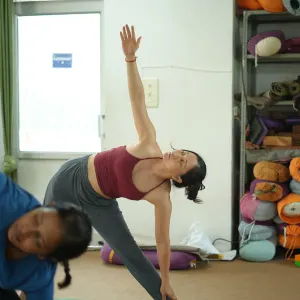
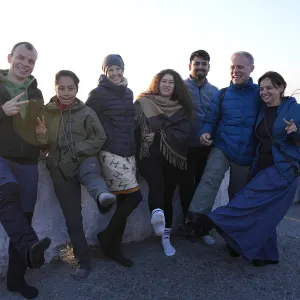
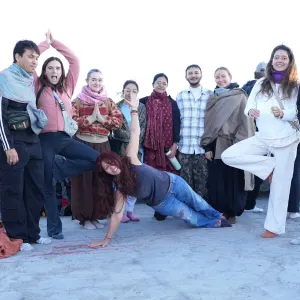
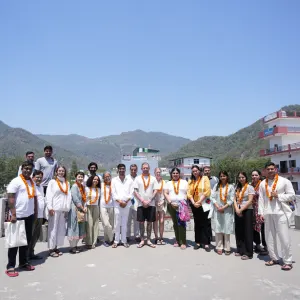
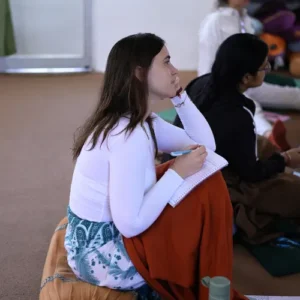
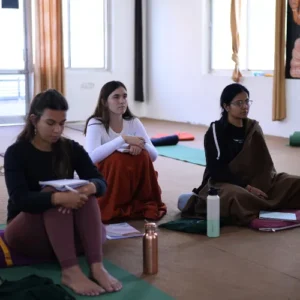
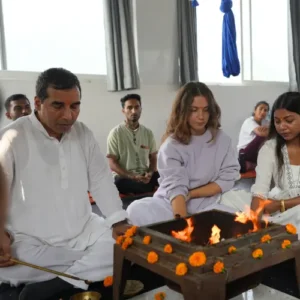
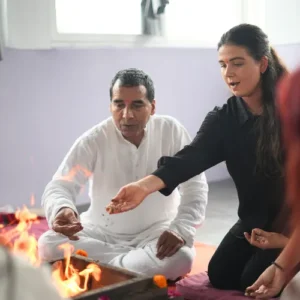
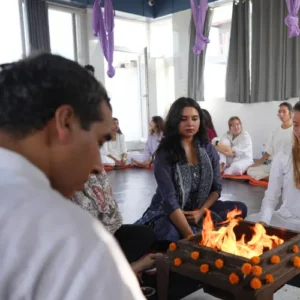
- Explore real moments from our 500 Hour Yoga Teacher Training in Rishikesh - from advanced yoga practices and meditation to traditional ceremonies, in-depth learning, practical teaching, and the transformative experiences shared by our students.

EXCELLENT Based on 152 reviews
 Posted on Google
 Swati Gogia15/03/2026I visited for a 5 day retreat and this was definitely a retreat for my body mind and soul. Not just that but I got to learn so much about Hatha yoga, Ashtanga yoga , ayurveda and yoga philosophy. I am coming again for regular yoga classes. The sound healing session was rejuvenating for my body and mind. I got clarity after it about my goals. We got to visit Kunjapuri temple and the sunrise was mesmerising. I made new friends and had meaningful conversations. Loved my stay here and the food was delicious. Thankyou so much to all teachers.Posted on Google
 Carolina Enciso14/03/2026
Trustindex verifies that the original source of the review is Google.
It has been an amazing experience to stay at Rishikesh Yoga Valley School. The staff is great, delicious meals home cooked, the teachers are dedicated and sharing lots of knowledge.Posted on Google avinash lanka17/02/2026I did 100 hours yoga trainer training program at Rishikesh yoga valley, highly recommend this institute for training program. Good natured staff, both teaching and non teaching, and very helpful. They really take care of trainees. Enjoyed my stay, food is good, private room is decent with hot water geyser. We did 3 outings during my 10 days of stay. Planning to do my remaining 100 hours later this year.Posted on Google
 Sonia Boustani30/01/2026Amazing life changing experience! This ashram is beautiful, the teachers are wonderful very good teachers, the vibe of the place is so nice and amigable! Food is all vegetarian and learnt a lot about Ayurveda too! I really recommend it!! I am sonia from Argentina and did 200hours certificationPosted on Google
 Florencia Bardecio28/01/2026Amazing experience. The quality of the teachers is outstanding. They have a very complete program. Rooms and installations are very good for Indian standards. Is very important to communicate with them ahead in order to have the proper dates and schedule. Will highly recommend it!Posted on Google
 Varnika Shukla28/01/2026I did 100 hours YTTC and the experience was just outstanding & memorable. It was the best start of 2026 by joining rishikesh yoga valley.The teachers were well trained and educated…Stay, food, classes everything was well organised and maintained. I met some amazing people here, build some great bonds that I will cherish for life. The overall experience was just as I expected. Weekend excursions were also well planned and executed. The staff was also very helpful and each person will take care of your health, wellbeing and basic needs. I would definitely do my remaining 100 hours again from here.Posted on Google
 Isha28/01/2026Namaste I completed 200 hours TTC with Rishikesh Yoga Valley and I had a very good experience, the management was good, food was delicious, the overall environment in the school was peaceful, teachers and students all were so inspiring. In short I had a very pleasant experience ✨Posted on Google
 Bhawana B22/01/2026It was a great experiencePosted on Google
 Satya Vaishnav20/12/2025I had a really nice experience at this yoga school. I came here for a 100-hour retreat, and honestly the rooms, teachers, and facilities are all very good. During my stay, I was taught Hatha Yoga, Ashtanga Yoga, Yoga Philosophy, and Ayurveda Yoga. A special thanks to Neeraj Sir, who taught Ashtanga Yoga in a very clear and effective way, and Upendra Sir, whose Pranayama sessions were excellent and easy to understand. The people here are also very friendly and welcoming, which made the experience even better. The facilities are well maintained, and the food was really nice and nourishing. One thing to keep in mind: if you are planning to come here, it’s better to opt for the 200-hour Yoga TTC, because the curriculum is the same for people coming for a short stay (like 10 days) and for those receiving a TTC certificate. Overall, it was a positive and enriching experience, and I would definitely recommend this place to anyone serious about yoga practice.Posted on Google
 saakshi joshi08/12/2025I completed my 200-hour Yoga Teacher Training at Rishikesh Yoga Valley, and it was one of the most transformative experiences of my life. The curriculum is perfectly balanced with asanas, pranayama, anatomy, alignment, philosophy, and teaching methodology. The teachers are true masters—supportive, knowledgeable, and passionate. The accommodation was clean and comfortable, and the sattvic meals were delicious. What I loved most was the positive energy and the personal attention given to each student. I feel confident and fully prepared to start teaching. Highly recommended for anyone serious about deepening their practice or becoming a yoga teacher.Verified by TrustindexTrustindex verified badge is the Universal Symbol of Trust. Only the greatest companies can get the verified badge who has a review score above 4.5, based on customer reviews over the past 12 months. Read more
500 Hour Yoga Teacher Training Course Overview
This Yoga Alliance certified RYT-500 program combines a full 200 Hour Yoga Teacher Training + 300 Hour Advanced Training into one complete journey.
You begin as a student and graduate as a confident teacher with a profound understanding of yoga’s physical, mental, and spiritual dimensions.
- DURATION: 52 DAYS
- MODULE: ONSITE TRAINING + ACCOMODATION
- STYLE: MULTISTYLE YOGA TTC
- LEVEL: INTERMEDIATE TO ADVANCED
- CERTIFICATION: YOGA ALLIANCE - RYT 500
- LANGUAGE: ENGLISH
- LOCATION: NEAR RAM JHULA RISHIKESH
- DATE: 3RD OF EVERY MONTH
- FOOD: SATVIK VEGETERIAN MEALS
- ACCOMMODATION: PRIVATE & SHARED ROOMS
500 Hour YTTC Fees
$1499
Triple Shared Room
$2200
Double Shared Room
$2500
Private Room
Inside Our 500 Hour Yoga Teacher Training Course in Rishikesh
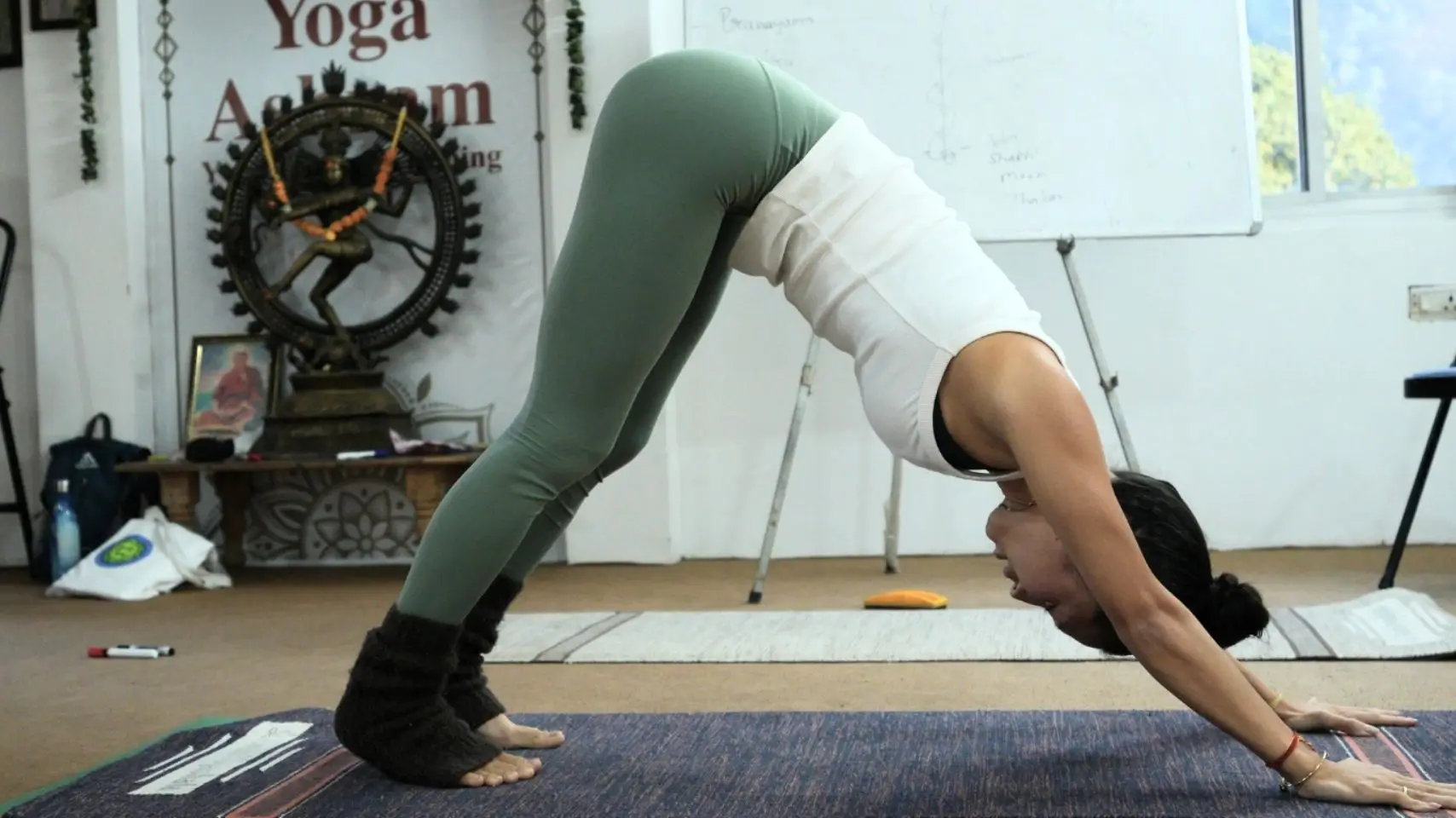
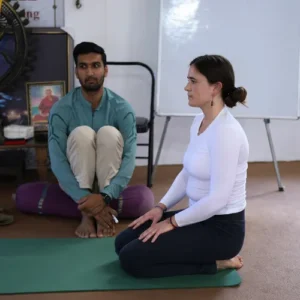
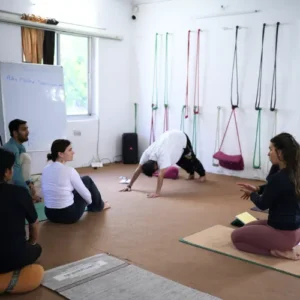
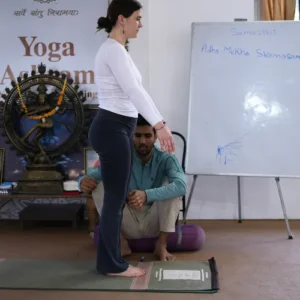
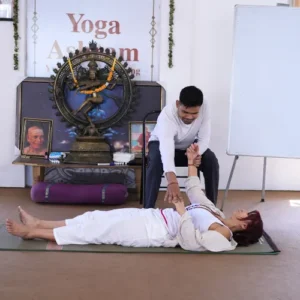
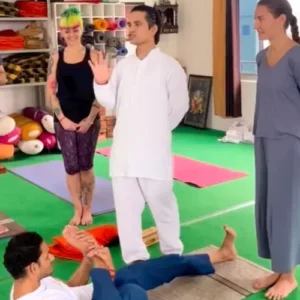
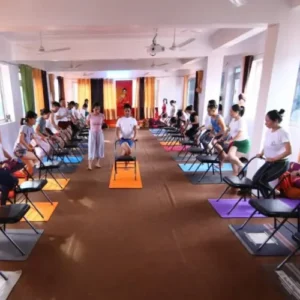
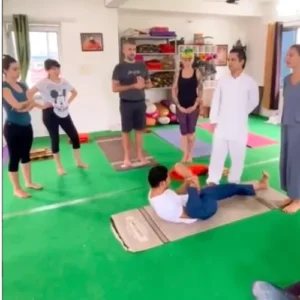
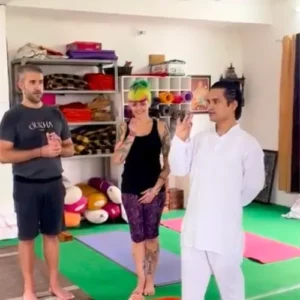
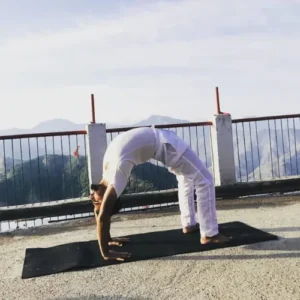
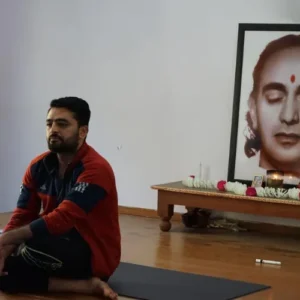
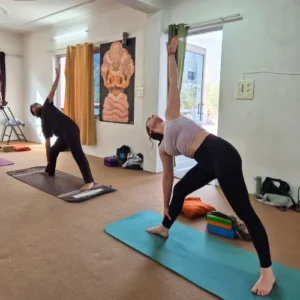
Experience a glimpse of daily life at our 500 Hour Yoga Teacher Training Course in Rishikesh through these real practice sessions. From guided asana and alignment work to Hatha Yoga, outdoor practice, meditation, and deeper yogic experiences, these videos showcase how students learn through consistent practice and personal guidance. Each session reflects our immersive approach to yoga education, helping students deepen their practice, expand their knowledge, and develop the confidence to teach yoga with greater awareness.
Course Package Includes
What's Included, What's Not, and What To Bring
Your 500 Hour Yoga Teacher Training in Rishikesh at Rishikesh Yoga Valley is a complete residential programme designed for dedicated practitioners seeking the highest level of yoga education. The course fee includes comfortable accommodation, nourishing satvik meals, yoga props, comprehensive study materials, selected excursions, and your course completion certificate, allowing you to fully immerse yourself in advanced practice, refined teaching skills, and profound personal transformation in the Yoga Capital of the World.
Accommodation: 42 Days / 41 Nights stay in clean, comfortable, nature-surrounded rooms with attached bathrooms
Structured 500 Hour Program:
200 Hour Foundation Training (3rd–26th)
7-Day Relaxation & Integration Period
300 Hour Advanced Training (3rd–30th of the following month)
Airport Pickup: One-way taxi transfer from Dehradun (Jolly Grant) Airport on arrival
Complete Yoga Curriculum: All practical classes, theory sessions, teaching methodology, workshops, and practicum for both 200 & 300 Hour levels
Daily Sattvic Meals: Three nutritious vegetarian meals per day based on Ayurvedic principles, plus morning & evening herbal tea
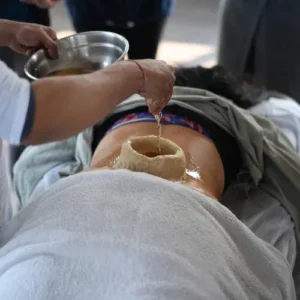
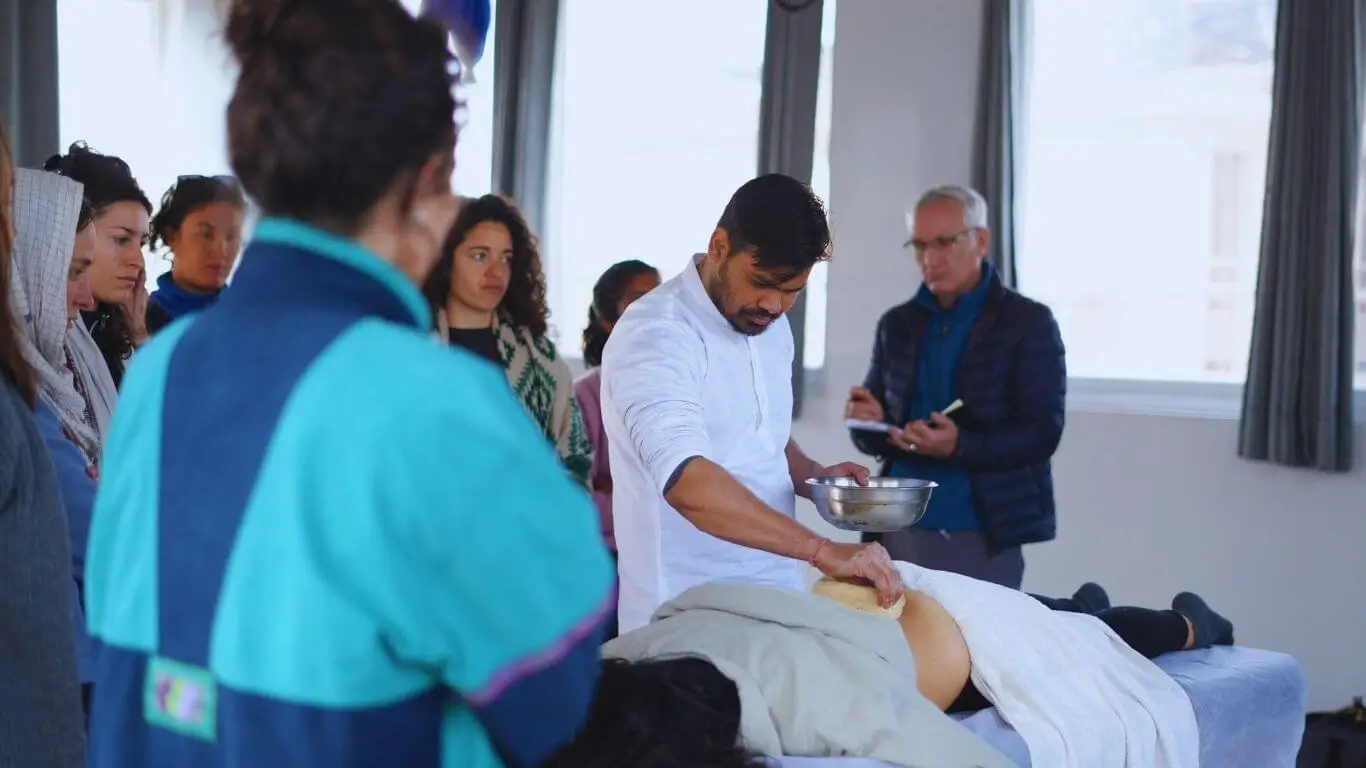
Ayurvedic Massage: One complimentary traditional Ayurvedic therapy session for deep relaxation and recovery
Sound Healing Session: One complimentary group sound healing experience for mental calm and energetic balance
Yoga Alliance Certifications: Internationally recognized certifications upon successful completion
Study Materials: Comprehensive course manuals, notes, yoga bag, and yoga t-shirt
Facilities: Free Wi-Fi, hot water, filtered drinking water, and peaceful study spaces
Excursions & Cultural Activities: Guided weekend trips to mountains, waterfalls, spiritual sites, Ganga Aarti, ashrams, and local heritage experiences (Meals during outings are not included and can be purchased individually).
Integration Break: 7 days free time between trainings for rest, self-practice, or exploration
Note: You will receive two separate Yoga Alliance certifications – 200 Hour (RYT 200) and 300 Hour Advanced (RYT 300). The 300 Hour advanced training runs from the 3rd to the 30th of the following month, making you eligible for the prestigious RYT 500 designation.



Flight Tickets: International and domestic airfare to and from India is not included
Ayurvedic Massage (Indian Students): Available at an additional cost
Personal Expenses: Laundry, shopping, medical needs, taxi fares, etc. are not included
Sunday Meals: Not included, as Sundays are reserved for outings and personal exploration of local cuisine
Visa & Travel Insurance: Participants are responsible for their own visa arrangements and insurance (if required)
Unlisted Items: Any services or items not specifically mentioned in the inclusions list


We want you to feel comfortable, relaxed, and fully prepared for your time with us. Here is a simple checklist of essential items to bring during the course.
Clothing Essentials
One white outfit for the opening and closing ceremonies
2–3 pairs of comfortable yoga leggings or pants with supportive tops
Casual clothes for local walks, outings, or short treks
A light jacket or sweatshirt for cool mornings and evenings
Sleepwear and undergarments for daily comfort
Flip-flops or sandals for easy movement around the campus
Personal bath towel
Yoga Gear
Yoga mats are available at the school
You may bring your personal mat if you prefer
All course study materials will be provided
Toiletries & Personal Care
Basic toiletries (soap, shampoo, toothpaste, deodorant, sanitary items)
Personal hygiene essentials
Most items are also available at nearby shops if you prefer to buy after arrival
Medicines & Supplements
Personal prescription medicines (if any)
Basic medications for cold, flu, allergies, muscle soreness, or eye dryness
Supplements or multivitamins if you are not used to a vegetarian diet
We provide pure Satvik vegetarian meals throughout the course
If you need any guidance before arrival, our team will be happy to assist you. We look forward to welcoming you and supporting your journey.

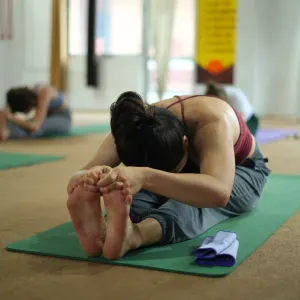

Why Choose a 500 Hour Yoga Teacher Training in Rishikesh, India?
Rishikesh is internationally known as the birthplace of yoga and attracts thousands of practitioners, teachers, and spiritual seekers every year. Studying a 500 hour yoga teacher training in Rishikesh allows students to learn in an authentic yogic environment while experiencing India’s ancient traditions firsthand.
Unlike short yoga retreats or studio-based certifications, a residential 500 hour yoga teacher training course in Rishikesh offers complete immersion in daily practice, meditation, philosophy, pranayama, and mindful living. Surrounded by the Himalayas and the sacred Ganges River, students have the opportunity to deepen both their personal practice and teaching skills in one of the world’s most respected yoga destinations.
At Rishikesh Yoga Valley, students combine internationally recognized Yoga Alliance standards with traditional Indian teachings, creating a balanced approach that supports both spiritual growth and professional development.
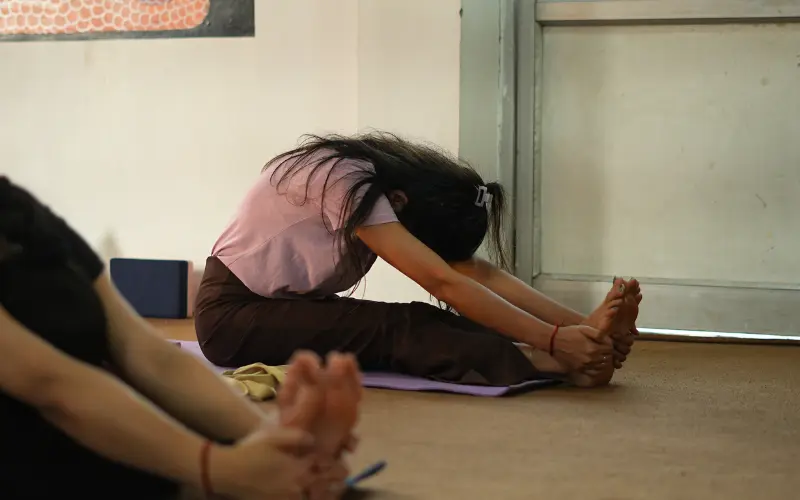
Why This Training Matters
Traditional yoga transforms your entire being.
This course bridges ancient wisdom with practical teaching skills, covering:
Authentic classical yoga traditions
Meditation and breath mastery
Modern anatomy and safe alignment
Teaching confidence & professionalism
Ayurvedic lifestyle integration
Personal spiritual growth
It is designed to create not just instructors – but grounded, compassionate leaders.
Relax, Rest & Feel at Home
A comfortable place to stay is an important part of your yoga teacher training experience. At Rishikesh Yoga Valley, we offer peaceful accommodation where you can unwind after daily classes, recharge your energy, and enjoy a balanced lifestyle in a supportive yogic community.
Nestled in the tranquil area of Upper Tapovan, our campus provides easy access to the holy Ganga, yoga cafés, and spiritual landmarks while remaining away from the city’s noise. Every room is thoughtfully maintained to create a calm atmosphere where students can focus on learning, self-practice, and personal growth.
- Private Room Option
- Double Occupancy Room
- Triple Sharing Room
- Attached Modern Bathroom
- 24/7 Hot Water Supply
- Complimentary High-Speed Wi-Fi
- Daily Housekeeping Service
- Peaceful Himalayan Neighborhood





Healthy Satvik Dining Every Day
Good nutrition plays a vital role in supporting your yoga practice and overall well-being. Throughout the course, you’ll enjoy freshly prepared satvik vegetarian meals that provide the energy needed for daily yoga sessions while encouraging mental clarity and inner balance.
Our meals are cooked using fresh vegetables, fruits, whole grains, lentils, herbs, and natural ingredients inspired by traditional yogic nutrition. We also try our best to accommodate vegan and other dietary preferences when informed before the course begins.
- Fresh Vegetarian Breakfast
- Nutritious Lunch
- Wholesome Dinner
- Seasonal Fruits
- Herbal Tea Selection
- Purified Drinking Water





Practice in an Inspiring Learning Environment
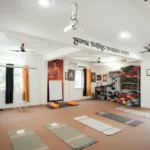
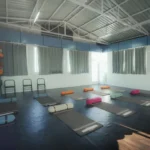
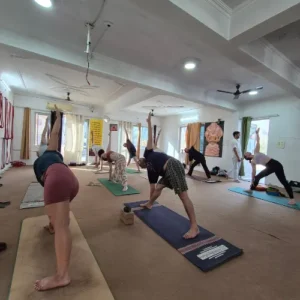
Learning becomes more meaningful when you train in a peaceful and well-equipped environment. Our yoga spaces are designed to help students stay focused during every class while receiving quality instruction from experienced yoga teachers in a calm and welcoming atmosphere.
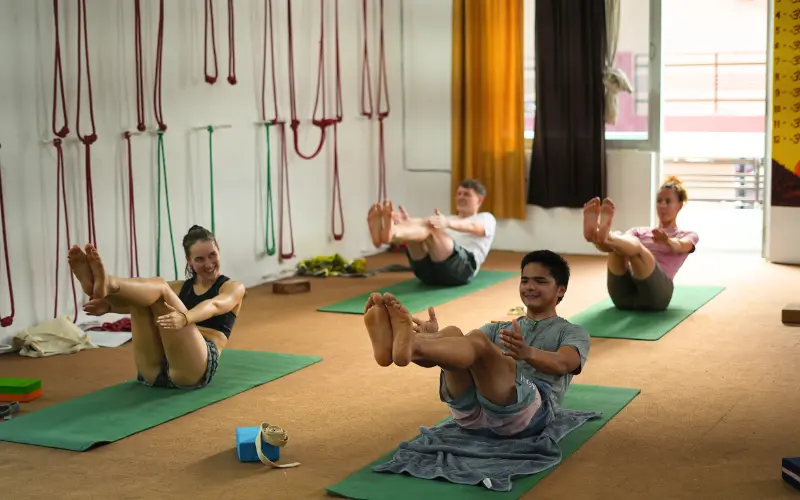
Each practice hall is spacious, naturally ventilated, and fully equipped with yoga props for comfortable learning. Small class sizes ensure every student receives individual attention, practical adjustments, and continuous support throughout the training.
- Spacious Yoga Practice Hall
- Professional Yoga Props
- Dedicated Meditation Room
- Self-Study & Reading Space
- Bright, Airy Classrooms
- Peaceful Natural Surroundings


Experience the Spiritual Essence of Rishikesh
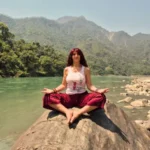
Your training extends beyond the yoga mat by introducing you to the culture, spirituality, and natural beauty that make Rishikesh a truly special destination. These experiences help students develop a deeper appreciation for yogic traditions while creating unforgettable memories.
Depending on the course schedule and seasonal conditions, students may visit sacred temples, attend spiritual ceremonies, meditate beside the Ganga, explore local ashrams, and enjoy scenic Himalayan excursions that enrich the overall learning journey.
- Ganga Aarti Ceremony
- Kunjapuri Temple Excursion
- Bhoothnath Temple Visit
- Himalayan Nature Walk
- Seasonal Waterfall Trip
- Riverside Meditation Session



Learn from an Experienced Faculty of Yoga Educators in Rishikesh
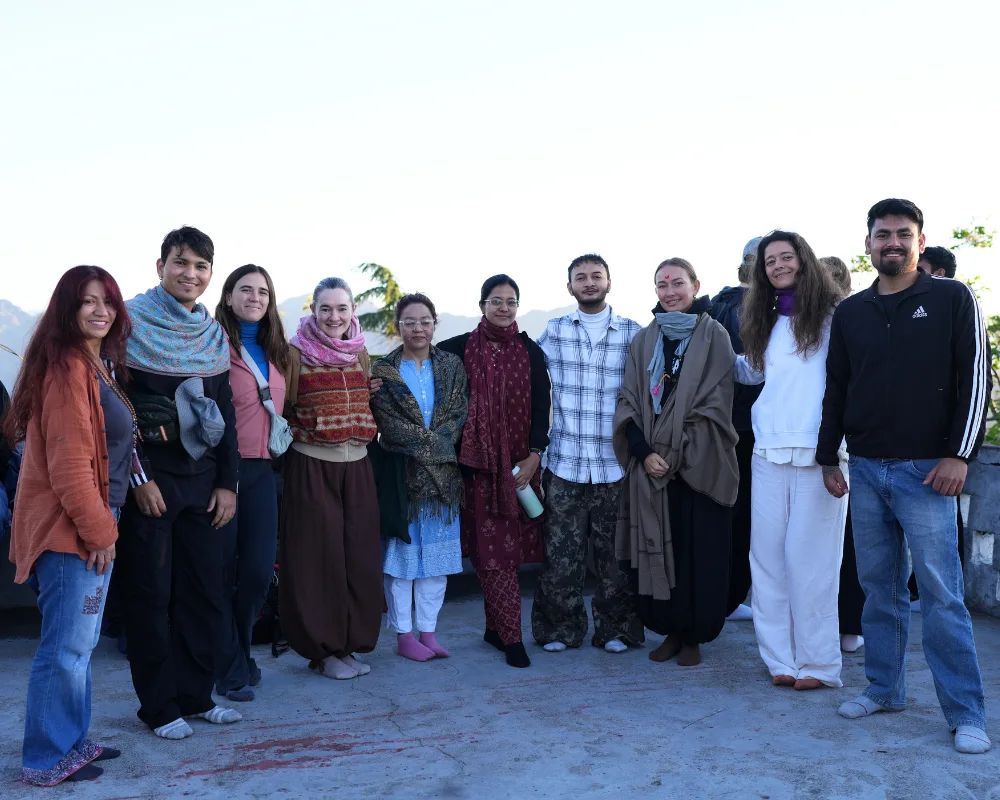
The 500 Hour Yoga Teacher Training at Rishikesh Yoga Valley is guided by a team of highly experienced yoga educators, philosophy teachers, meditation practitioners, anatomy specialists, and traditional yoga masters. Designed for serious practitioners seeking comprehensive professional training, this program integrates the foundational knowledge of a 200 Hour Yoga Teacher Training with the advanced practices and teaching methodologies of a 300 Hour Yoga Teacher Training.
Students receive direct guidance from subject-matter experts across every major area of yoga education, including Hatha Yoga, Ashtanga Yoga, alignment, anatomy, Ayurveda, pranayama, meditation, philosophy, Yoga Nidra, and holistic wellness practices. Rooted in the traditional teachings of Rishikesh, our faculty combines authentic yogic wisdom with practical teaching experience to help students develop confidence, competence, and a deeper understanding of yoga as both a practice and a profession.
Together, our teaching faculty represents more than 130 years of combined teaching experience and has trained yoga students from around the world.

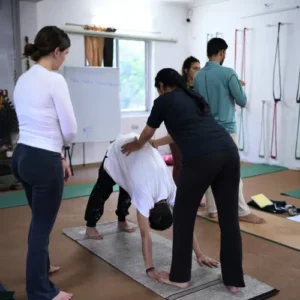
Neeraj Rayal
Ashtanga Yoga
Neeraj Ji’s traditional training and years of teaching experience provide students with a deeper exploration of disciplined practice, advanced sequencing, and the transformative principles of Ashtanga Yoga.
- Ashtanga Yoga
- Vinyasa flow
- Self Practice
- Experience: 15 + Years

Rakesh
Anatomy & Ayurveda
Rakesh combines expertise in anatomy, philosophy, Ayurveda, and yoga therapy to help students understand the therapeutic applications of yoga. His classes explore movement mechanics, injury prevention, body systems, and holistic wellness, enabling teachers to design safer and more effective classes for diverse student populations.
- Anatomy
- Ayurveda
- Experience: 15 + Years
Jaggi
Yoga Philosophy & Satsang
With a Master’s Degree in Yoga Science and years of dedicated spiritual practice, Jaggi Ji guides students through advanced yogic philosophy, classical texts, self-inquiry, and traditional wisdom. His teachings help practitioners move beyond physical practice and develop a deeper understanding of yoga as a transformative way of life.
- Yoga Philosophy
- Satsung
- Experience: 15 + Years
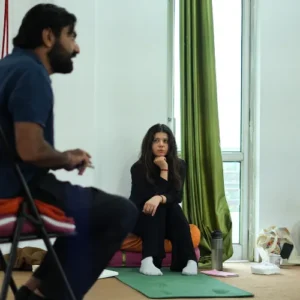
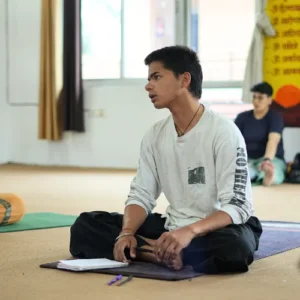

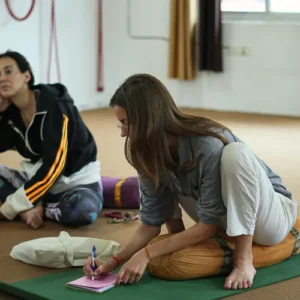

Shankar Dey
Meditation
Shankar Ji introduces students to meditation, mantra, Yoga Nidra, and contemplative practices that cultivate mental clarity, self-awareness, and spiritual growth.
- Hatha Yoga
- Pranayama
- Yoga Nidra
- Experience: 15 + Years
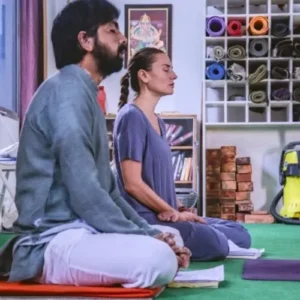
Upendra Silswal
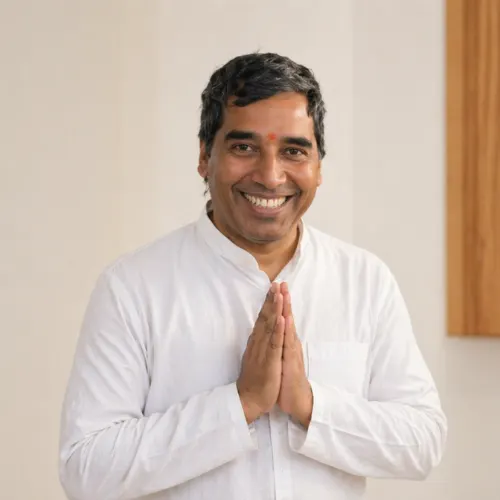
Pranayama & Shatkarma
Trained at the Bihar School of Yoga and the Yoga Vedanta Forest Academy in Rishikesh, Upendra Ji brings more than two decades of teaching experience to the advanced study of pranayama, yogic cleansing practices, and Yoga Nidra. His teachings help students understand the deeper dimensions of breath, energy management, concentration, and inner awareness that are essential for advanced yoga practice and teaching.
- Pranayama
- Shatkarma
- Breathing
- Experience: 20 + Years

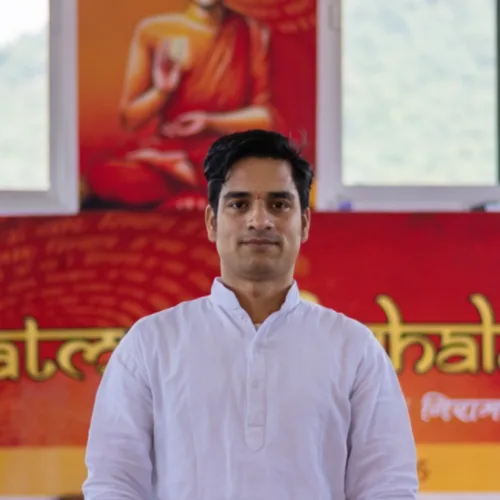
Ravi Bisht
Hatha & Iyengar Yoga
Ravi Ji specializes in advanced Hatha Yoga and alignment-based teaching methodologies. His classes help students refine posture awareness, sequencing skills, and teaching techniques while maintaining the integrity of traditional yogic practice.
- Hatha
- Iyengar
- Meditation
- Experience: 16 + Years
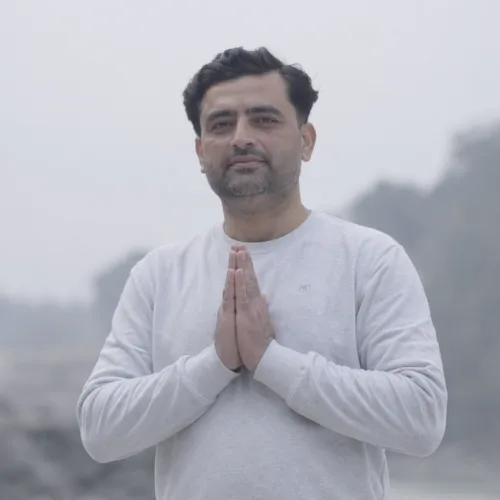
Rohit Kamboj
Hatha & Iyengar Yoga
Known for his precision and attention to detail, Rohit Ji helps students deepen their understanding of alignment principles, prop usage, and intelligent posture refinement. His approach supports both personal practice and professional teaching development.
- Hatha
- Iyengar
- Allignment
- Experience: 12 + Years
WHO THIS COURSE IS FOR
This program welcomes sincere students from around the world.
It is ideal for:
Beginners
Start from the foundations with supportive guidance during the first 200 hours.
Experienced Practitioners
Deepen alignment, philosophy, and spiritual understanding.
Yoga Teachers
Upgrade to internationally recognized RYT-500 certification.
Spiritual Seekers
Experience authentic yoga beyond fitness.
Purposeful Travelers
Combine travel with meaningful personal growth.
Wellness Professionals
Add yoga expertise to your healing practice.
Accommodation and Food
You will live in a peaceful residential campus near Ram Jhula, surrounded by nature yet close to cafes and essential amenities.
Rooms






Private or shared options
Clean, comfortable, and quiet
Wi-Fi available inside campus
Complimentary stay before & after course
Yoga Meals


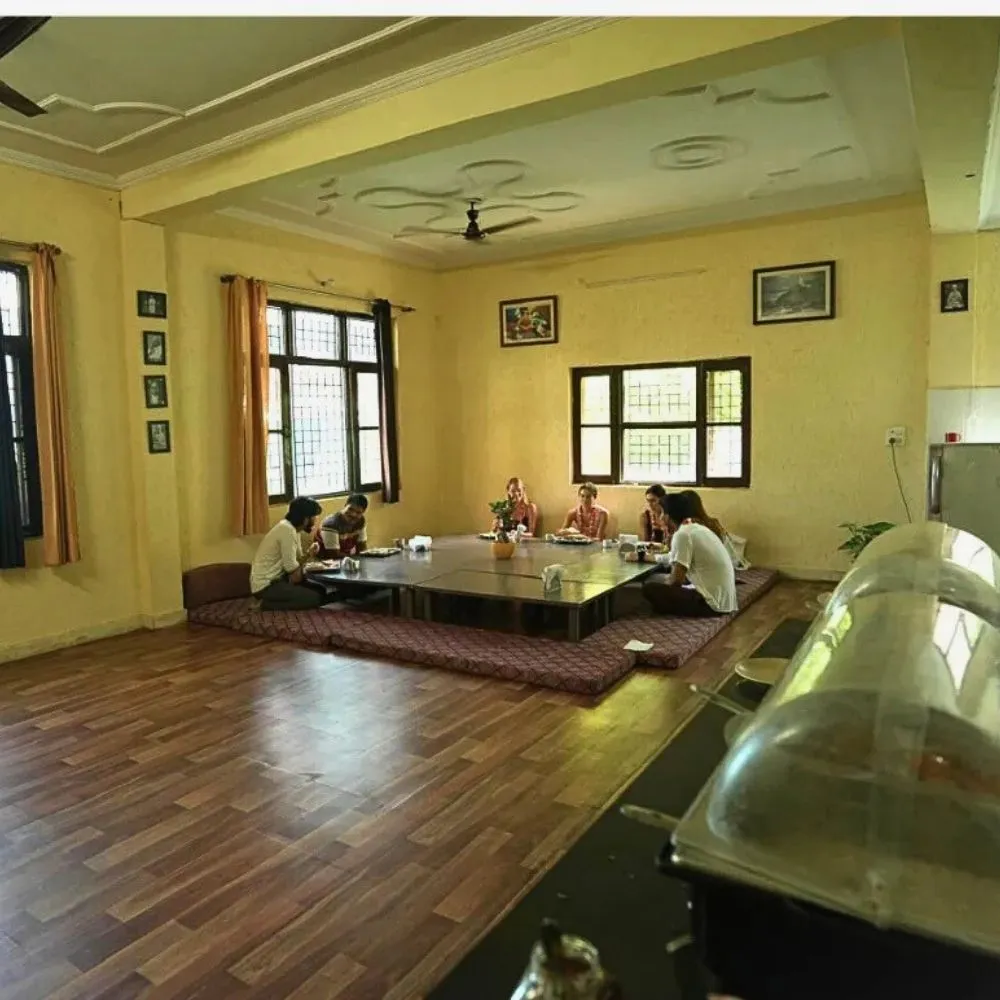
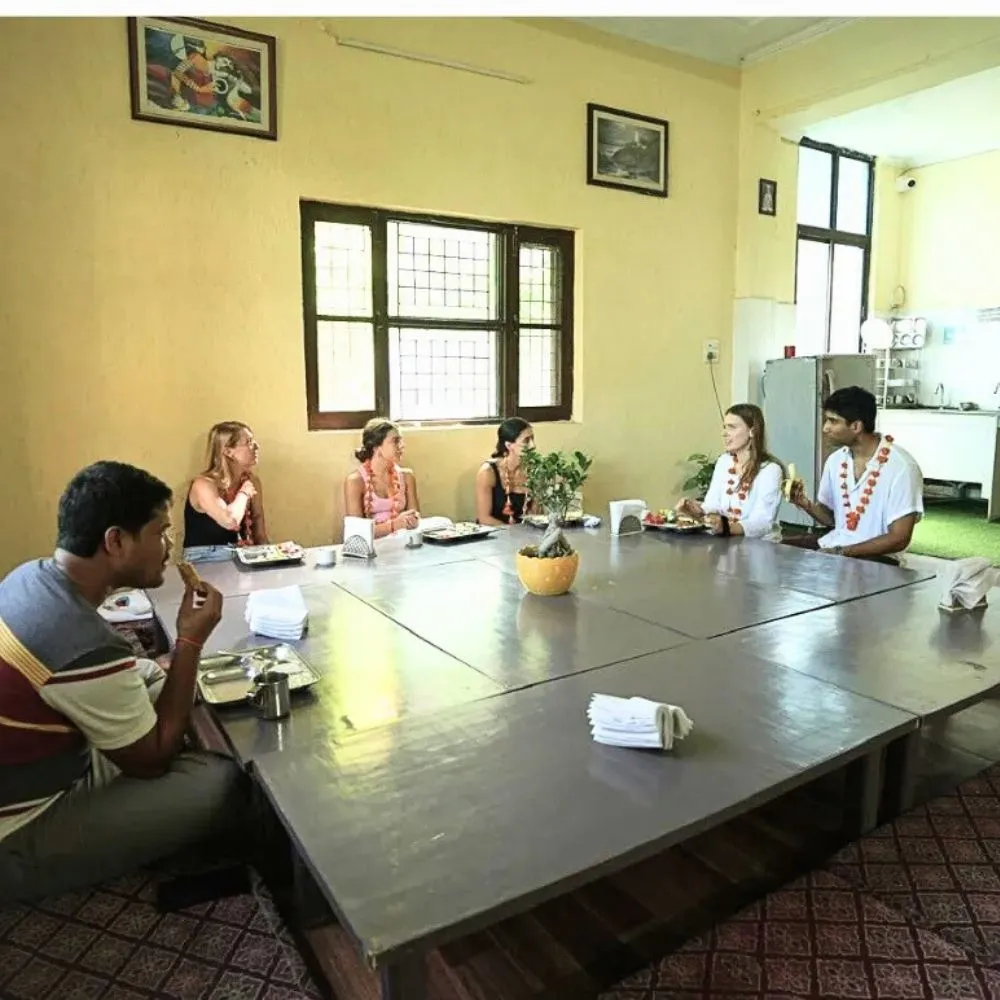


Vegetarian & vegan options
Freshly prepared
Herbal teas included
Dietary needs accommodated
500 Hour Yoga TTC Upcoming Dates
03rd Jan - 28th Feb
Open for 2027
03rd Feb - 30th Mar
Open for 2027
03rd Mar - 30th Apr
Open for 2027
03rd Apr - 30th May
Open For 2027
03rd May - 30th June
Open for 2027
03rd June - 30th July
Open For 2027
03rd July - 30th Aug
Open For 2027
03rd Aug - 30th Sept
Seats Available
03rd Sept - 30th Oct
Seats Available
03rd Oct - 30th Nov
Seats Available
03rd Nov - 30th Dec
Seats Available
03rd Dec - 30th Jan
Seats Available
Our 500 Hour Yoga Teacher Training in Rishikesh begins on the 3rd of every month.
The program includes:
200 Hour Foundation Training (3rd–26th) | 7 Days Integration Break (27th–2nd) | 300 Hour Advanced Training (3rd–30th of the following month)
We recommend booking your seat in advance, as batches are kept small to maintain personal guidance and traditional teaching standards.
500 Hour Yoga TTC Daily Schedule
| ACTIVITY | TIME |
|---|---|
| Pranayama | 06:00 AM – 06:45 AM |
| Hatha Yoga | 07:00 AM – 08:30 AM |
| Breakfast | 08:30 AM – 09:45 AM |
| Yoga Philosophy | 10:00 AM – 11:00 AM |
| Ayurveda & Anatomy | 11:15 AM – 12:15 PM |
| Alignment & Adjustment | 12:30 AM – 01:30 PM |
| Lunch | 01:30 PM – 02:00 PM |
| Free Time | 02:00 PM – 04:00 PM |
| Ashtanga-Vinyasa | 04:00 PM – 05:30 PM |
| Tea & Relax | 05:30 PM – 06:00 PM |
| Meditation & Mantra Chanting | 06:00 PM – 07:00 PM |
| Self Study | 07:00 PM – 07:30 PM |
| Dinner | 07:30 PM – 08:30 PM |
LIMITED SEATS | BOOK NOW
What You Will Learn in Our 500 Hour Yoga Teacher Training in Rishikesh
Asana Practice
Build strength, flexibility, and awareness through:
Hatha Yoga (classical foundations)
Ashtanga-Vinyasa flow
Alignment principles
Adjustments and modifications
Safe sequencing
Pranayama
Learn techniques that regulate energy and calm the mind:
Nadi Shodhana
Kapalabhati
Bhastrika
Ujjayi breathing
Therapeutic breathing practices
Meditation & Mind Training
Develop inner stability and awareness through:
Guided and silent meditation
Mantra practices
Mindfulness techniques
Concentration training
Emotional balance tools
Yoga Philosophy
Understand the deeper purpose of yoga:
Yoga Sutras of Patanjali
Eight Limbs of Yoga
Ethics for teachers
Yogic lifestyle principles
Spiritual psychology
Anatomy & Physiology
Modern science meets traditional wisdom:
Musculoskeletal system
Injury prevention
Safe adjustments
Body mechanics in yoga
Functional movement
Teaching Practicum
Become a certified and confident instructor:
Class planning and sequencing
Voice projection and presence
Teaching diverse groups
Hands-on adjustments
Practice teaching with feedback
Ayurveda Integration
Discover yoga’s sister science with us:
Body constitutions (doshas)
Yogic diet principles
Daily routines for balance
Preventive wellness practices
Why Choose Rishikesh Yoga Valley
Not all yoga schools offer genuine depth.
This school is known for authenticity, warmth, and personalized guidance.
🌿 Traditional Indian Teaching
Learn from experienced Indian teachers with 10–20+ years of practice and study.
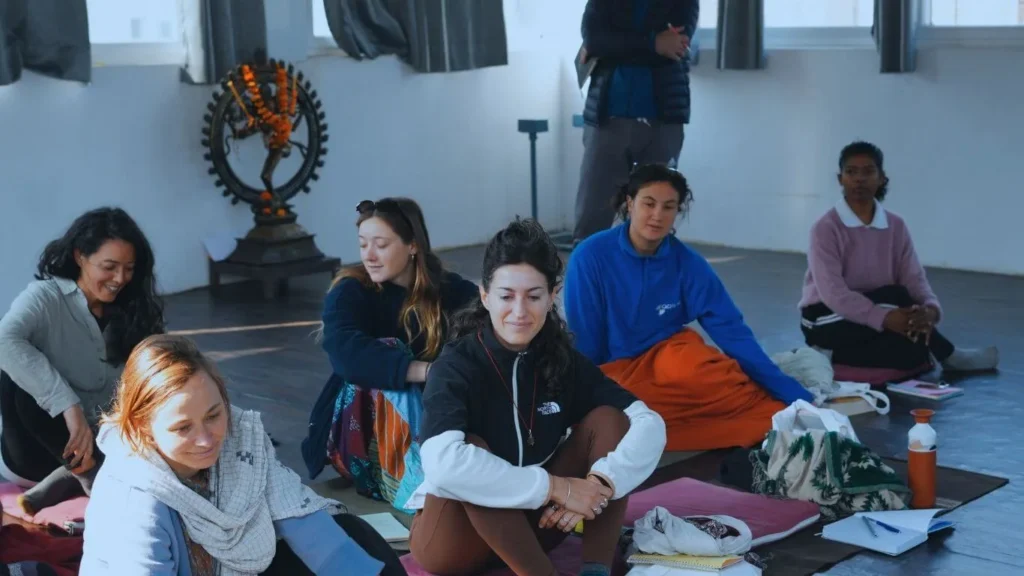
👨👩👧 Small Groups = Real Attention
Maximum 15–20 students ensures:
Individual corrections
Mentorship
Safe learning environment
Strong community bonds
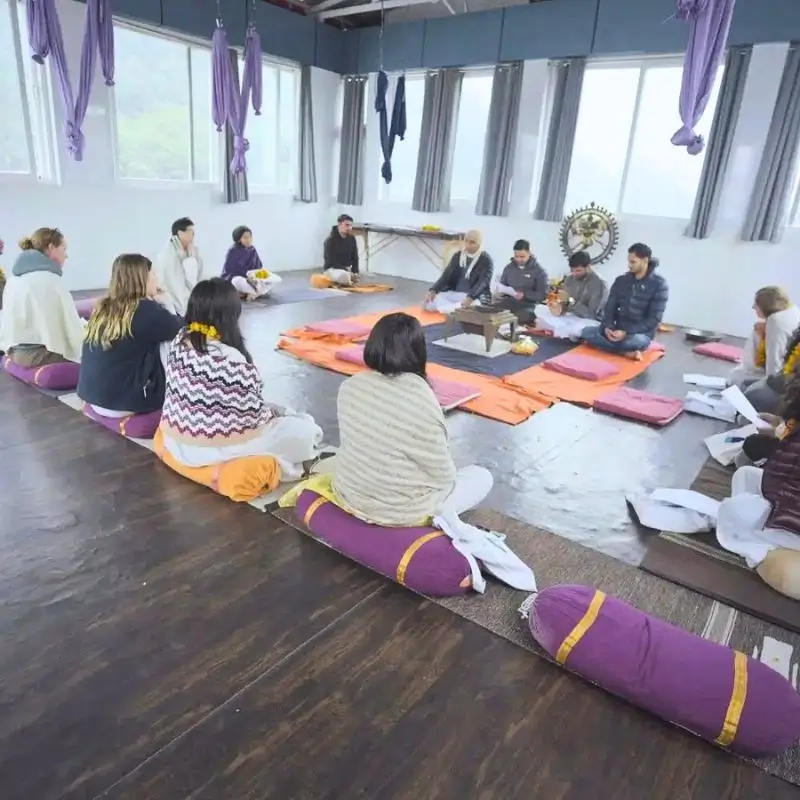
❤️ Family-Like Atmosphere
Students often describe the experience as “a home away from home.”
🕉️ Spiritual Depth, Not Just Fitness
Emphasis on transformation, discipline, and inner growth.
🧭 Personalized Mentoring
Teachers support your unique journey – physical, emotional, and spiritual.
🌎 International Student Friendly
Programs designed for global participants with cultural sensitivity and clear communication.
Begin your transformation
500 Hour Yoga Teacher Training Curriculum
275 Hours
Asana Practice | Guided Assignments | Pranayama (Breathwork) | Meditation Sessions
50 Hours
Anatomy & Physiology
75 Hours
Yoga Humanities
History | Philosophy | Ethics
100 Hours
Professional Essentials
Teaching Methodology | Professional Development | Practicum
Yoga Philosophy
Understand the true meaning of Yoga – Yoga is a complete system for inner balance, not just physical exercise. The word comes from the Sanskrit root meaning “to unite,” pointing to harmony between body, mind, and consciousness. Its purpose is self-awareness, clarity, and alignment with a higher truth.
Explore the origin and evolution of Yoga – Yoga began in ancient India and developed through centuries of oral tradition, spiritual practice, and philosophical refinement. Over time, it evolved into structured paths that guide ethical living, physical discipline, breath control, and meditation—while keeping its core aim of self-realization intact.
Study classical Yoga through the Yoga Sutras of Patanjali – This foundational text, compiled by Patanjali, defines yoga as the stilling of the mind’s fluctuations. It presents a practical and systematic framework for mastering thoughts, emotions, and awareness.
Dive deep into the Eight Limbs of Yoga (Ashtanga Yoga) – A step-by-step path for inner and outer transformation that integrates ethics, discipline, posture, breath, and meditation:
- Yama – Ethical principles that promote harmony, truthfulness, non-violence, and self-restraint in relationships.
- Niyama – Personal observances that cultivate purity, contentment, discipline, self-study, and spiritual surrender.
- Asana – Steady and comfortable postures that build strength, flexibility, and prepare the body for meditation.
- Pranayama – Conscious breath regulation that balances life force, calms the nervous system, and sharpens focus.
- Pratyahara – Withdrawal of the senses to reduce distraction and deepen inner awareness.
- Dharana – Focused concentration that trains the mind to stay steady on one point.
- Dhyana – Continuous meditation that fosters insight, peace, and heightened awareness.
- Samadhi – Deep absorption where separation fades and true unity is experienced.
Apply these timeless teachings in daily life – When practiced consistently, yoga builds mental clarity, emotional stability, physical vitality, and spiritual depth—leading to a balanced, purposeful, and deeply fulfilling life.
Yoga Alignment & Adjustment
- Definition of Yoga Alignment & Adjustment – Yoga alignment means placing the body correctly in each asana so the joints, muscles, and spine work in balance. Adjustment refers to mindful verbal or hands-on guidance that refines posture, improves awareness, and enhances stability without force.
- Importance of Studying Yoga Alignment & Adjustment – Learning proper alignment builds body intelligence, prevents strain, and improves long-term posture. It helps practitioners progress safely and prepares teachers to guide students with clarity, confidence, and anatomical understanding.
- Safe Practice with Yoga Alignment (Self-Practice & Teaching) – Correct alignment protects the knees, hips, shoulders, and spine during daily practice. For self-practice, it develops discipline and awareness. For teaching, it ensures safe cueing, structured sequencing, and responsible adjustments for future students.
- Learning B. K. S. Iyengar Principles of Adjustment & Use of Props – The Iyengar approach focuses on precision and therapeutic application. Using yoga blocks, belts, ropes, and chair demonstrations supports structural balance, improves accessibility, and adapts postures for different body types and skill levels.
Safety While Using Yoga Props – Props must be positioned correctly to avoid pressure on sensitive areas like the lower back and neck. Proper instruction ensures they
- enhance support, prevent injury, and maintain correct alignment throughout the pose.
- The Art of Adjustment – Effective adjustment is subtle, respectful, and informed by anatomy. It involves timing, sensitivity, and communication to help students experience depth and stability without discomfort or overcorrection.
- Safety & Ethics During Yoga Adjustment – Ethical practice requires consent, clear communication, and professional boundaries. Teachers must respect personal space, understand contraindications, and prioritize student comfort and injury prevention at all times.
- Alignment of Limbs, Torso & Head – Coordinating hands, legs, thorax, abdomen, head, and neck creates structural integrity. Balanced alignment distributes weight evenly, protects the spine, and allows smooth, unrestricted breathing.
- How to Avoid Risk of Injuries (Beginner & Advanced Levels) – Beginners should focus on foundational alignment and gradual progression. Advanced practitioners must avoid overextension and ego-driven practice. Consistent breath awareness and proper technique reduce injury risk.
- Areas of Focus & Importance of Gaze (Drishti) in Asanas – A steady gaze improves balance, concentration, and mental steadiness. Specific drishti points in each posture help anchor attention and enhance overall stability.
How to Be Present During Practice – Presence develops through mindful breathing, body awareness, and focused attention. When breath, movement, and concentration align, practice becomes meditative, safe, and deeply transformative.
Yoga Anatomy
Derivation & Definition of Anatomy | Anatomical Terms | Yoga Anatomy | Anatomy vs Physiology – Anatomy is the study of body structure and form, using standard terms to describe position and movement. Yoga anatomy applies this knowledge to asana practice and alignment. Physiology explains how the body functions, highlighting the key difference between structure (anatomy) and function (physiology).
Cell Anatomy – Cells are the basic structural and functional units of the human body. They manage energy, repair, growth, and communication, forming the foundation of all tissues and systems.
What Are Tissues & Organs? – Tissues are groups of similar cells working together for a specific role, such as muscle or nerve tissue. Organs are composed of multiple tissues that perform specialized functions like breathing or circulation.
Introduction to Organ Systems – Organ systems are networks of organs that maintain balance and survival. Major systems include skeletal, muscular, respiratory, nervous, digestive, and circulatory systems, all of which influence yoga practice.
Human Skeletal System: Bones & Joints (Definition, Types & Functions) – The skeletal system provides shape, support, and protection. Bones assist movement and mineral storage, while joints allow mobility. Major joints such as shoulders, hips, and knees are essential for safe yoga alignment.
Anatomical Movements – Terms like flexion, extension, rotation, abduction, and adduction describe how the body moves. Understanding these movements improves posture precision and prevents strain in asanas.
Structure of the Human Spine – The spine consists of cervical, thoracic, lumbar, sacral, and coccygeal regions. Its natural curves maintain balance, absorb shock, and support safe bending and twisting.
Muscular System: Definition, Types & Functions – The muscular system enables movement and stability. It includes skeletal, smooth, and cardiac muscles, each with distinct roles in posture, motion, and internal function.
Important Muscle Groups – Core muscles, hamstrings, quadriceps, gluteals, and back muscles are key for strength, flexibility, and joint support during yoga practice.
Respiratory System & Muscles of Respiration – The diaphragm and intercostal muscles control breathing. Efficient respiration supports endurance, oxygen flow, and pranayama techniques.
Applications of Anatomy in Yoga – Anatomical knowledge enhances alignment, improves teaching cues, supports modifications, and reduces injury risk in both beginner and advanced practice.
Common Injuries & Postural Corrections – Issues such as lower back pain, knee strain, and shoulder instability can be minimized through proper alignment, gradual progression, and balanced muscle engagement.
Ashtanga Yoga
Introduction to Ashtanga Yoga & Origin – Ashtanga Yoga is a structured and breath-centered practice based on the philosophy of the Yoga Sutras of Patanjali. It was brought to global recognition by K. Pattabhi Jois. This method follows a fixed sequence of postures linked with breath to build strength, flexibility, discipline, and mental focus.
- Ashtanga Primary & Intermediate Series – The Primary Series (Yoga Chikitsa) detoxifies and aligns the body through forward folds and hip openers. The Intermediate Series (Nadi Shodhana) deepens backbends and strengthens the nervous system, improving balance and energetic flow.
- Surya Namaskara A & Surya Namaskara B – These foundational Sun Salutations begin the practice. They generate heat, improve circulation, synchronize breath with movement, and prepare the body for the full sequence.
- Ashtanga Standing Series – The standing postures develop stability, leg strength, balance, and grounding. Proper drishti (gaze) and steady breathing create focus and alignment.
- Ashtanga Sitting Series – The seated sequence enhances flexibility, core engagement, and hip mobility. It encourages inward awareness while maintaining controlled breath and smooth transitions.
- Ashtanga Vinyasa – Vinyasa connects each movement to a specific inhale or exhale. This flowing rhythm builds internal heat, supports detoxification, and keeps the practice meditative and continuous.
- Learning Sanskrit Names & Cues for Every Series – Understanding Sanskrit posture names preserves tradition and improves teaching precision. Clear cues ensure correct alignment, safe entry and exit, and breath coordination.
- Alignment of Asanas Using Props – While traditionally prop-free, tools like blocks and straps can refine alignment, improve accessibility, and reduce injury risk without disturbing the sequence’s integrity.
- Variations of Postures – Modifications support beginners, while advanced variations challenge experienced practitioners. Progressive practice ensures steady growth, strength, and mobility.
How to Use Ujjayi Breath in Ashtanga Yoga – Ujjayi breath involves slow nasal breathing with gentle throat engagement. It creates a steady rhythm, builds endurance, maintains internal heat, and anchors concentration throughout the practice.
Hatha Yoga
Traditional Hatha Yoga Practice – Traditional Hatha Yoga is a systematic practice that balances body and mind through asana, pranayama, and concentration. Described in classical texts like the Hatha Yoga Pradipika, it aims to purify the body, strengthen discipline, and prepare the practitioner for meditation.
Mantra Chanting – Chanting sacred sounds regulates breath, sharpens focus, and creates a calm mental state. It sets a mindful tone for practice and enhances inner awareness.
Warm-Up Exercises – Gentle stretches and joint movements increase blood flow, improve mobility, and prepare muscles and ligaments for safe asana practice.
Surya Namaskara / Sun Salutations with Mantras – This flowing sequence links breath with movement and traditional mantras. It builds heat, stamina, flexibility, and full-body coordination.
Meditative Group of Asanas – Stable seated postures promote spinal alignment, steady breathing, and mental clarity, creating a foundation for meditation.
Standing Group of Asanas – Standing poses strengthen the legs, improve balance, and develop grounding and postural awareness.
Backward Bending Asanas – Backbends open the chest, strengthen the spine, and stimulate energy while requiring mindful alignment to protect the lower back.
Forward Bending Asanas – Forward folds lengthen the back body, calm the nervous system, and encourage introspection with controlled breathing.
Sitting Group of Asanas – Seated poses enhance hip flexibility, core stability, and sustained focus during longer holds.
Twisting Asanas – Twists improve spinal mobility, aid digestion, and support detoxification when practiced with proper alignment.
Relaxing Asanas – Restorative postures release muscular tension, reduce stress, and balance the nervous system.
Supine Position Asanas – Postures performed lying on the back support safe core engagement, spinal stability, and deep relaxation.
Prone Position Asanas – Poses practiced on the abdomen strengthen the back muscles and improve posture control.
Balancing Asanas – Balance poses develop coordination, concentration, and muscular endurance.
Inversion Asanas – Inversions enhance circulation, build strength, and improve mental focus when practiced safely and progressively.
Mantras
What Are Mantras? – Mantras are sacred sounds, syllables, or phrases repeated to focus the mind and elevate awareness. Originating from ancient Vedic wisdom, they carry vibrational energy that influences thoughts, breath, and consciousness.
- Importance of Mantras – Mantras calm mental fluctuations, improve concentration, and create emotional balance. Regular practice strengthens mindfulness, reduces stress, and supports spiritual growth.
- What Is Japa (Chanting)? – Japa is the disciplined repetition of a mantra, spoken aloud or silently. It connects sound with breath and awareness, building steady focus and inner clarity.
- Types of Chanting – Chanting can be vocal (Vaikhari), whispered (Upanshu), or silent mental repetition (Manasika). Each method deepens concentration and refines awareness at different levels.
- Is Chanting for Beginners? – Yes, chanting is accessible to beginners. Simple mantras like Om help develop rhythm, breath control, and confidence in meditation practice.
- Right Time to Chant Mantras – Early morning is traditionally recommended due to mental stillness, but any quiet, consistent time supports effective practice.
- Right Way to Chant Mantras – Sit upright, breathe steadily, and pronounce each syllable clearly. Maintain attention on sound vibration and meaning, practicing with sincerity and regularity.
- Benefits of Daily Mantra Chanting – Improves focus, regulates breathing, reduces anxiety, enhances emotional stability, and promotes a calm, positive mindset.
- Mantra Meditation – This practice uses continuous repetition to anchor the mind, reduce distractions, and cultivate deeper states of awareness and peace.
- Important Mantras to Study –
- Om Mantra – Represents universal consciousness and the essence of creation.
- Guru Mantra – Expresses gratitude and respect for the teacher and lineage of knowledge.
- Gayatri Mantra – A Vedic prayer invoking wisdom and divine illumination.
- Om – The Universal Mantra – Symbolizes creation, preservation, and transformation in one sacred sound.
- Mahamrityunjaya Mantra – A healing and protection mantra dedicated to Shiva.
- Shanti Paath (Peace Mantra) – Invokes harmony, unity, and collective well-being.
- Yogasana Mantra – Recited to begin or conclude practice with gratitude and awareness.
- Peace & Purifying Mantra – Chanted to cleanse negative energy and cultivate inner purity.
- Om Mantra – Represents universal consciousness and the essence of creation.
Asana Practice & Alignment
Everyday Asana Practice (Integrated Approach) – A consistent daily asana practice builds strength, flexibility, breath awareness, and mental clarity. It may include traditional Hatha, precision-based Iyengar, dynamic Ashtanga Vinyasa, and other contemporary styles to create a balanced and sustainable routine.
- Hatha, Iyengar & Ashtanga Vinyasa Integration – Classical Hatha Yoga emphasizes steady posture and breath control, as described in the Hatha Yoga Pradipika. The Iyengar method, developed by B. K. S. Iyengar, focuses on precise alignment and the use of props for safety and therapeutic benefit. Ashtanga Vinyasa, systematized by K. Pattabhi Jois, links breath with movement in a structured sequence to build stamina and discipline.
- Detailed Alignment of Each Pose – Proper alignment ensures correct positioning of joints, spine, and muscles in every asana. Attention to anatomical structure enhances stability, improves posture, and reduces strain during practice.
- Adjustment Techniques (Verbal & Hands-On) – Skillful adjustments refine posture, deepen awareness, and correct imbalances. Ethical and safe guidance supports practitioners in experiencing each pose without force or risk.
- Variations & Modifications of Poses – Each asana can be adapted for beginners, intermediate, and advanced practitioners. Variations improve accessibility, address physical limitations, and encourage gradual progression.
- Use of Props for Safety & Precision – Blocks, belts, ropes, and chairs support structural integrity and allow practitioners to maintain alignment while developing strength and flexibility.
References to Classical Texts – Teachings are grounded in traditional sources such as the Yoga Sutras of Patanjali and the Hatha Yoga Pradipika, ensuring authenticity while applying principles to modern practice.
Teaching Methodology
Principles of Effective Yoga Teaching – Effective teaching combines clear knowledge, confident delivery, and student-centered awareness. A skilled teacher creates a safe, structured, and inclusive environment where students can progress with stability and understanding.
Communication Skills for Yoga Teachers – Clear verbal instruction, appropriate tone, and concise language improve student comprehension. Non-verbal communication, including demonstration and body language, strengthens trust and enhances learning.
Class Management & Leadership – Strong class management includes time planning, organized sequencing, and maintaining group energy. Teachers must observe students carefully, manage different ability levels, and ensure safety throughout the session.
Hands-On Adjustment Techniques – Mindful and ethical hands-on adjustments refine alignment and deepen awareness. Consent, anatomical knowledge, and sensitivity are essential to prevent injury and maintain professional boundaries.
Creating Themes for Yoga Classes – A clear class theme—such as balance, grounding, breath awareness, or mindfulness—adds purpose and cohesion. The theme guides posture selection, transitions, and closing reflection.
Sequencing Techniques – Intelligent sequencing follows a logical progression: warm-up, peak posture, and cool-down. Balanced sequencing prepares the body gradually, builds intensity safely, and allows proper recovery.
Effective Cueing Techniques – Precise cues focus on alignment, breath coordination, and safe transitions. Simple, action-based language improves clarity and helps students move confidently through each posture.
Meditation & Mindfulness
Introduction to Meditation – Meditation is a systematic practice of training the mind to develop awareness, clarity, and inner calm. Rooted in yogic philosophy and texts like the Yoga Sutras of Patanjali, meditation helps reduce mental fluctuations and cultivate steady focus and emotional balance.
Asana Stability for Meditation – A stable and comfortable seated posture is essential for effective meditation. Proper spinal alignment supports steady breathing, reduces physical distraction, and allows longer periods of focused awareness.
Mantra Meditation / Nada Yoga Meditation – Mantra meditation uses repeated sacred sounds to anchor the mind. Nada Yoga focuses on inner sound awareness. Both methods calm thoughts, regulate breath, and deepen concentration.
Awareness Meditation – This practice develops mindfulness by observing breath, sensations, and thoughts without judgment. It improves self-awareness, emotional regulation, and present-moment focus.
Trataka Meditation – Trataka is a concentration technique that involves gazing steadily at a fixed point, such as a candle flame. It strengthens focus, improves mental clarity, and prepares the mind for deeper meditation.
Chakra Meditation – Chakra meditation centers attention on the body’s energy points to balance emotional and mental states. Visualization and breath awareness are used to harmonize internal energy flow.
Beeja Mantras & So Hum Meditation – Beeja (seed) mantras are single-syllable sounds linked to specific energy centers. So Hum meditation synchronizes breath with the natural mantra “So” on inhale and “Hum” on exhale, promoting deep inner awareness.
Yoga Capsules / Sadhana – A daily sadhana is a disciplined spiritual routine that may include asana, pranayama, chanting, and meditation. Consistent practice strengthens focus and builds inner resilience.
Right Time & Place to Meditate – Early morning is traditionally ideal due to mental stillness, but any quiet, clean, and distraction-free space supports consistent meditation practice.
How Long to Meditate? – Beginners may start with 10–15 minutes daily and gradually increase duration. Consistency is more important than length, as regular practice builds deeper awareness over time.
Pranayama/Breathwork
Definition of Pranayama, Types & Importance – Pranayama is the yogic science of breath control that expands and regulates vital energy. The term combines prana (life force) and ayama (extension or expansion). Different types of pranayama balance the nervous system, improve lung capacity, and prepare the mind for meditation.
Prana – The Life Force – Prana is the subtle energy that sustains all physical and mental functions. In yogic philosophy, it flows through energy channels (nadis) and supports vitality, clarity, and overall well-being. Balanced prana leads to better health and emotional stability.
Yogic Breathing – Yogic breathing involves slow, deep, and conscious inhalation and exhalation. It engages the diaphragm fully, improves oxygen exchange, and calms the mind while strengthening respiratory efficiency.
Anulom Vilom – A foundational alternate nostril breathing technique that balances the left and right energy channels. It reduces stress, improves focus, and promotes mental clarity.
Chandrabhedi (Purification of Nadis) – This cooling pranayama activates the left nostril and calms the nervous system. It supports relaxation and reduces excess heat in the body.
Suryabhedi (Purification of Nadis) – A heating breath practice that stimulates the right nostril. It increases alertness, boosts metabolism, and enhances vitality.
Nadi Shodhana – A refined alternate nostril breathing technique that purifies energy channels and harmonizes body and mind. It is widely recommended for emotional balance and concentration.
Bhastrika – Known as bellows breath, Bhastrika uses forceful inhalation and exhalation to energize the body, improve lung strength, and stimulate circulation.
Kapalbhati – A cleansing breath involving active exhalations and passive inhalations. It detoxifies the respiratory system, strengthens abdominal muscles, and increases mental alertness.
Bhramari Pranayama – The humming bee breath creates a soothing sound during exhalation. It relieves anxiety, reduces tension, and promotes inner calm.
Sheetali Pranayama – A cooling breath practiced by inhaling through a rolled tongue. It reduces body heat, calms emotions, and refreshes the system.
Shitakari Pranayama – A cooling technique where air is inhaled through gently clenched teeth. It supports temperature regulation and mental relaxation.
How to Increase Life Energy with Breathing – Consistent pranayama practice improves oxygen supply, balances prana flow, strengthens lung capacity, and enhances physical stamina and mental clarity. Regular, mindful breathing builds sustained energy and overall vitality.
Shatkarmas - The Yogic Way of Cleansing
What Are Shatkarmas? – Shatkarmas are six traditional yogic cleansing techniques designed to purify the body and balance internal systems. Described in classical texts like the Hatha Yoga Pradipika, these practices remove toxins, clear energy channels, and prepare the body for pranayama and meditation.
- Benefits of Shatkarmas – Regular practice improves respiratory health, digestion, and mental clarity. Shatkarmas help remove excess mucus, balance the nervous system, enhance concentration, and support overall vitality.
- Indications & Contraindications of Shatkarmas – These cleansing techniques are recommended for individuals with sinus congestion, sluggish digestion, or low energy. However, they should be avoided during acute illness, high blood pressure (in some cases), recent surgery, or without proper guidance. Professional supervision ensures safety and effectiveness.
- Preparation for Shatkarmas – Proper preparation includes learning correct technique from a qualified teacher, maintaining hygiene, using clean equipment, and practicing on an empty stomach. Mental calmness and a relaxed environment are also essential.
- Post-Shatkarma Practices – After cleansing, it is important to rest and follow with gentle pranayama or relaxation. Proper hydration and balanced nutrition help stabilize the body and maintain benefits.
Practical Techniques:
- Jal Neti – A nasal cleansing technique using lukewarm saline water poured through one nostril and allowed to flow out the other. It clears nasal passages, improves breathing, and reduces sinus congestion.
Sutra Neti – A more advanced nasal cleansing practice using a soft thread or rubber catheter. It removes deeper blockages and strengthens nasal sensitivity, and should only be practiced under expert supervision.
Ayurveda
Basic Principles of Ayurveda – Ayurveda is a traditional system of natural healing that originated in India more than 5,000 years ago. The term means “science of life.” It is based on balance between body, mind, and spirit, and emphasizes prevention, proper diet, daily routine, and harmony with nature. Classical knowledge is preserved in texts such as the Charaka Samhita.
- Definition of Health According to Ayurveda – Ayurveda defines health as a state where the body’s energies (doshas), digestion, tissues, elimination, and mind are in balance. True health is not only freedom from disease but also emotional stability and mental clarity.
- Ayurvedic Body Types & Constitution (Doshas) – Every person has a unique constitution based on three doshas: Vata (movement), Pitta (metabolism), and Kapha (structure). Understanding your body type helps guide food choices, lifestyle habits, and stress management.
- Knowledge of Diet & Sleep – Ayurveda highlights the importance of mindful eating and proper sleep. Fresh, seasonal foods that match your constitution improve digestion and immunity. Regular sleep cycles restore energy, balance hormones, and support mental well-being.
- Ayurvedic Daily & Seasonal Regimen (Dinacharya & Ritucharya) – Daily routines such as waking early, cleansing practices, oil massage, and regular meals promote stability. Seasonal adjustments in diet and habits protect the body from climate-related imbalances.
- Importance of Digestive Fire (Agni) – Agni, or digestive fire, is central to health in Ayurveda. Strong digestion ensures proper nutrient absorption and toxin elimination, while weak digestion may lead to fatigue and disease.
- Introduction to Panchakarma & Ayurvedic Treatment Principles – Panchakarma is a detoxification therapy that removes deep-rooted toxins and restores balance. Ayurvedic treatment focuses on correcting the root cause of imbalance through herbs, diet, cleansing, and lifestyle changes.
- Common Lifestyle Mistakes & Disorders | Role of Yoga & Ayurveda – Irregular meals, poor sleep, stress, and inactivity can cause lifestyle disorders such as obesity, digestive issues, and anxiety. Yoga and Ayurveda work together to correct habits, improve metabolism, reduce stress, and restore natural balance.
- Common Medicinal Plants for Everyday Use – Herbs like turmeric, ginger, tulsi, and ashwagandha are widely used in Ayurveda to support immunity, digestion, and vitality in daily life.
- Special Note for International Students – A complimentary Ayurvedic full-body massage is included in the package, offering relaxation, improved circulation, and a direct experience of traditional healing therapy.
Bandhas
- Introduction, Definition & Types of Bandhas – Bandhas are yogic energy locks that regulate the flow of prana in the body. The three main bandhas—Mula Bandha (root lock), Uddiyana Bandha (abdominal lock), and Jalandhara Bandha (throat lock)—enhance stability, energy control, and mental focus in asana, pranayama, and meditation.
- Practice of Mula Bandha, Uddiyana Bandha, Jalandhara Bandha – Mula Bandha engages the pelvic floor for grounding and energy stabilization. Uddiyana Bandha lifts the diaphragm and abdominal muscles to activate core energy. Jalandhara Bandha tucks the chin, controlling prana in the upper body. Practicing all together harmonizes the body’s energy flow.
- Indications & Contraindications of Bandhas – Bandhas are recommended for improving core stability, energy flow, and concentration. Avoid or practice with caution during pregnancy, hernia, high blood pressure, heart conditions, or abdominal injuries. Guidance from a qualified teacher is essential.
- Benefits of Practicing Bandhas – Bandhas strengthen internal muscles, improve circulation, activate digestive fire (Agni), and stabilize prana. They also enhance focus, prepare for advanced pranayama, and support meditation.
- Common Mistakes During Practice – Over-tensing muscles, incorrect breath control, and misalignment reduce effectiveness. These mistakes can cause strain, discomfort, or prevent energy flow from properly activating.
- Tips to Improve & Deepen Practice – Engage muscles gradually, coordinate with slow breathing, and focus on internal sensations. Consistent practice, mindful observation, and proper guidance increase strength, awareness, and the overall benefits of bandhas.
Yoga Ethics & Lifestyle
Embrace the Principles of Holistic Living – Holistic living focuses on harmonizing body, mind, and spirit. By integrating mindful movement, conscious breathing, and mental awareness, you develop balance, resilience, and a deeper connection to yourself and the world around you.
Cultivate a Minimalistic Mindset – Adopting simplicity in daily life reduces distractions, promotes clarity, and fosters inner peace. Minimalism encourages conscious choices, intentional living, and a sense of purpose beyond material accumulation.
Learn About Nutrition and Yogic Diet – A yogic diet emphasizes fresh, seasonal, and sattvic foods that support energy, digestion, and mental clarity. Understanding nutrition helps maintain physical vitality while enhancing focus, calmness, and overall well-being.
Explore the Ethics of Teaching Yoga – Teaching yoga requires compassion, integrity, and responsibility. Ethical practice involves respecting boundaries, providing safe guidance, and fostering a supportive, inclusive environment for students at all levels.
Integrate a True Yogic Lifestyle – Yoga extends beyond the mat into daily life. Practicing mindfulness, ethical living, conscious eating, and regular self-reflection helps embody yogic principles consistently, creating balance, awareness, and sustained personal growth.
Practicum & Student Teaching
Practice Assisting and Supporting Live Yoga Sessions – Gain hands-on experience by helping in real yoga classes. Assisting builds confidence, improves observation skills, and teaches you how to support students safely and effectively.
Design Your Own Mini-Classes – Create short, structured sessions to develop creativity, sequencing skills, and clarity in teaching. Designing classes helps you understand pacing, alignment cues, and thematic flow.
Lead Practice Sessions in a Supportive Group Setting – Take the lead in guiding small groups, practicing clear communication, energy management, and responsive instruction. This fosters leadership, confidence, and group dynamics awareness.
Receive Personalized Feedback from Experienced Teachers – Expert guidance refines your teaching skills, improves cueing and adjustments, and helps you address areas for growth. Constructive feedback ensures safe, effective, and confident instruction.
Final Assessment
Written Examination on Yoga Knowledge – You will complete a written test designed to evaluate your understanding of yoga philosophy, anatomy, and practical techniques. This assessment ensures you can integrate theory with practice and demonstrate a clear grasp of foundational concepts.
Practical Teaching Examination – The hands-on teaching exam allows you to lead a yoga class under guidance. You will practice sequencing, cueing, and alignment while receiving support to refine your delivery.
Discover Your Unique Teaching Style – Leading the class helps you explore your personal approach to instruction, communication, and energy management, shaping a style that reflects your strengths and personality.
Build Confidence as a Future Yoga Teacher – The combination of written and practical assessments equips you with the experience, feedback, and assurance needed to step into your role as a competent, confident yoga teacher.
Cultural Immersions & Day Trips to Mountains
Day Trips and Spiritual Experiences – Enjoy excursions to the mountains, witness the world-famous Ganga Aarti, meet spiritual gurus, and immerse yourself in local mountain culture. Share stories, build lasting friendships, and experience the warmth of community during fun evenings and Sundays at the school.
Connecting with Nature and Inner Self – These trips encourage slowing down, appreciating the natural elements, and reflecting inward. The experiences help cultivate mindfulness, deepen self-awareness, and foster a meaningful connection with the journey of life.
Course Certification
Global Teaching Opportunities – Yoga teachers certified by Rishikesh Yoga Valley gain an internationally recognized qualification. This certification empowers them to teach professionally and even establish their own yoga schools anywhere in the world, opening doors to a global career in yoga.
WHY STUDY YOGA IN RISHIKESH
Learning yoga in India – especially in Rishikesh – is profoundly different from studio training in the West.
Here you experience yoga as a living tradition, not a trend.
Benefits include:
Practice near the sacred Ganges River
Himalayan energy and peaceful environment
Exposure to authentic yogic lifestyle
Spiritual atmosphere supporting deep focus
Connection to yoga’s historical roots
Many students report that studying here feels transformative from the very first days.
What Makes Our 500 Hour Yoga Teacher Training Different?
We believe a yoga teacher training should offer more than a certificate. Our 500 hour yoga teacher training in Rishikesh combines traditional yogic wisdom with practical teaching experience in a supportive and welcoming environment.
What sets this program apart:
- Yoga Alliance registered school.
- Small batch sizes for individual guidance.
- Experienced Indian teachers with years of dedicated practice.
- Residential campus near Ram Jhula and the Ganges.
- Authentic study of yoga philosophy, meditation, and Ayurveda.
- Complimentary airport pickup, sound healing session, and Ayurvedic massage.
- International student support before and during the course.
- Two-stage journey combining 200 Hour and 300 Hour teacher training.
This balanced approach helps students develop not only technical teaching skills but also confidence, discipline, and a deeper understanding of the yogic path.
INTERNATIONAL STUDENT SUPPORT
Traveling to India can feel daunting – support is provided throughout.
Included assistance:
Free Dehradun Airport pickup
Pre-arrival guidance
Safety support
Help with local logistics
Friendly staff available on campus
Rishikesh is considered one of the safest destinations in India for international travelers.

Apply Now & Transform Your Practice into Mastery
CERTIFICATION DETAILS
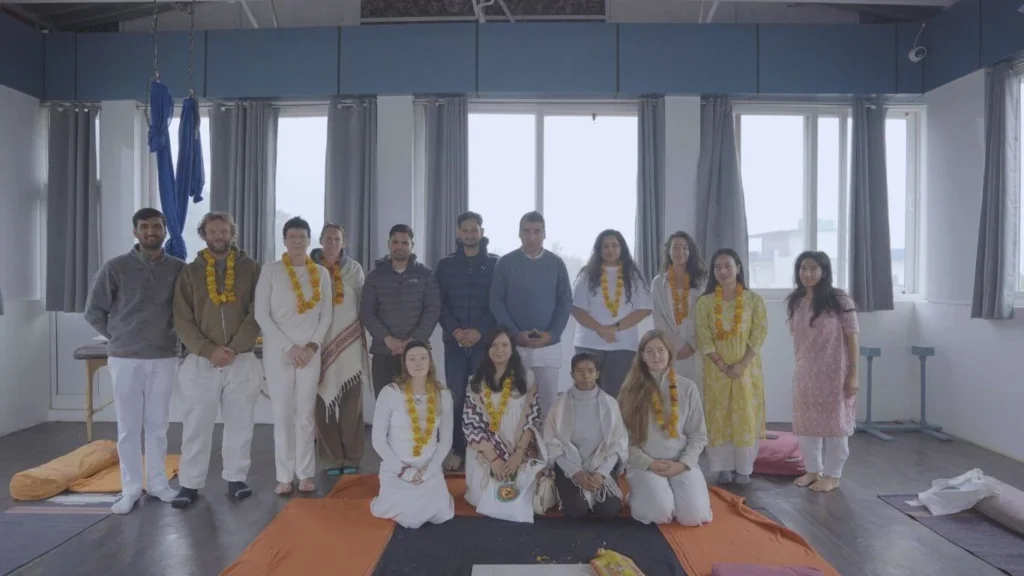
Upon successful completion, you receive:
Yoga Alliance RYT-500 Certification
This globally recognized credential allows you to:
Teach yoga internationally
Register as an RYT-500 teacher
Conduct workshops and retreats
Continue advanced yoga education
Build a professional yoga career
Career Opportunities After Completing a 500 Hour Yoga Teacher Training
Completing a Yoga Alliance certified 500 hour yoga teacher training in Rishikesh opens a wide range of personal and professional opportunities. Graduates often go on to
Teach yoga classes internationally.
Register as an RYT-500 certified yoga teacher.
Lead yoga retreats and workshops.
Integrate yoga into wellness, fitness, or therapeutic professions.
Offer private yoga and meditation sessions.
Continue advanced studies in Ayurveda, meditation, and holistic health.
Many students also complete this training for personal transformation, deeper self-understanding, and to establish a sustainable yogic lifestyle, even if they do not intend to teach professionally.
Frequently Asked Questions
Is this course beginner friendly?
Yes. The first 200 hours build strong foundations suitable for beginners.
Can I teach after completing this program?
Yes. Graduates receive Yoga Alliance recognized RYT-500 certification.
Is Rishikesh safe for foreign students?
Yes. It is a major international yoga destination with a peaceful spiritual environment.
Do I need prior yoga experience?
Basic familiarity helps but is not required. Commitment matters more than experience.
What should I bring?
Comfortable yoga clothing, personal essentials, an open mind, and willingness to learn.
Why is there a break between courses?
Yes. The first 200 hours build strong foundations suitable for beginners.
Is this course beginner friendly?
Yes. The first 200 hours build strong foundations suitable for beginners.
International Student Travel Guide
Every year, students from the USA, Canada, the UK, Australia, Germany, France, Spain, Italy, and many other countries join our 500 hour yoga teacher training in Rishikesh, India.
Pre-arrival guidance and travel support.
Complimentary pickup from Dehradun (Jolly Grant) Airport.
Assistance with local transportation and arrival planning.
Support for first-time visitors to India.
We recommend arriving one day before the course begins to rest, settle in, and connect with fellow students before the opening ceremony.
How to Reach Rishikesh Yoga Valley
Our school is located in the heart of Rishikesh, easily accessible by air, train, or road for students joining the 500 Hour Yoga Teacher Training in Rishikesh.
By Air:
The nearest airport is Jolly Grant Airport (DED), just 25 km away. We provide airport pickup on request.
By Train:
The closest railway station is Haridwar Junction, around 25 km from Rishikesh. Taxi transfer can be arranged.
By Road:
Direct taxis and Volvo buses are available from Delhi (5–7 hours drive).
Once you confirm your booking, simply share your travel details and our team will assist you with smooth arrival arrangements.
Our Other Yoga TTC
Beginner
- Certification of Completion
- Duration: 11 Days/ 100 Hours
- Style: Hatha, Ashtanga, Vinyasa flow
Beginner to Intermediate
- Certification of Completion
- Duration: 24 Days/ 200 Hours
- Style: Hatha, Ashtanga, Vinyasa flow
Advanced Training
- Certification of Completion
- Duration: 28 Days/ 300 Hours
- Style: Hatha, Ashtanga, Vinyasa flow