

Kunjapuri Temple: One of Uttarakhand’s Most Sacred Places
Kunjapuri Shakti Peeth is not just a temple—it is a powerful spiritual destination where divine energy, Himalayan beauty, and ancient mythology meet.
Located near Rishikesh in the Tehri Garhwal district of Uttarakhand, Kunjapuri Temple near Rishikesh stands at an altitude of around 1,676 meters (5,500 feet) above sea level. It is revered as one of the most important Shakti Peeths in North India and offers breathtaking panoramic views of the snow-covered Himalayan peaks.
Pilgrims, spiritual seekers, trekkers, and photographers visit Kunjapuri for:
Goddess Durga’s blessings
Sunrise and sunset views
Spiritual awakening
Nature-based meditation
Sacred pilgrimage
This guide covers everything you need to know about Kunjapuri Shakti Peeth, from mythology to travel planning.
What Is Kunjapuri Shakti Peeth Temple?
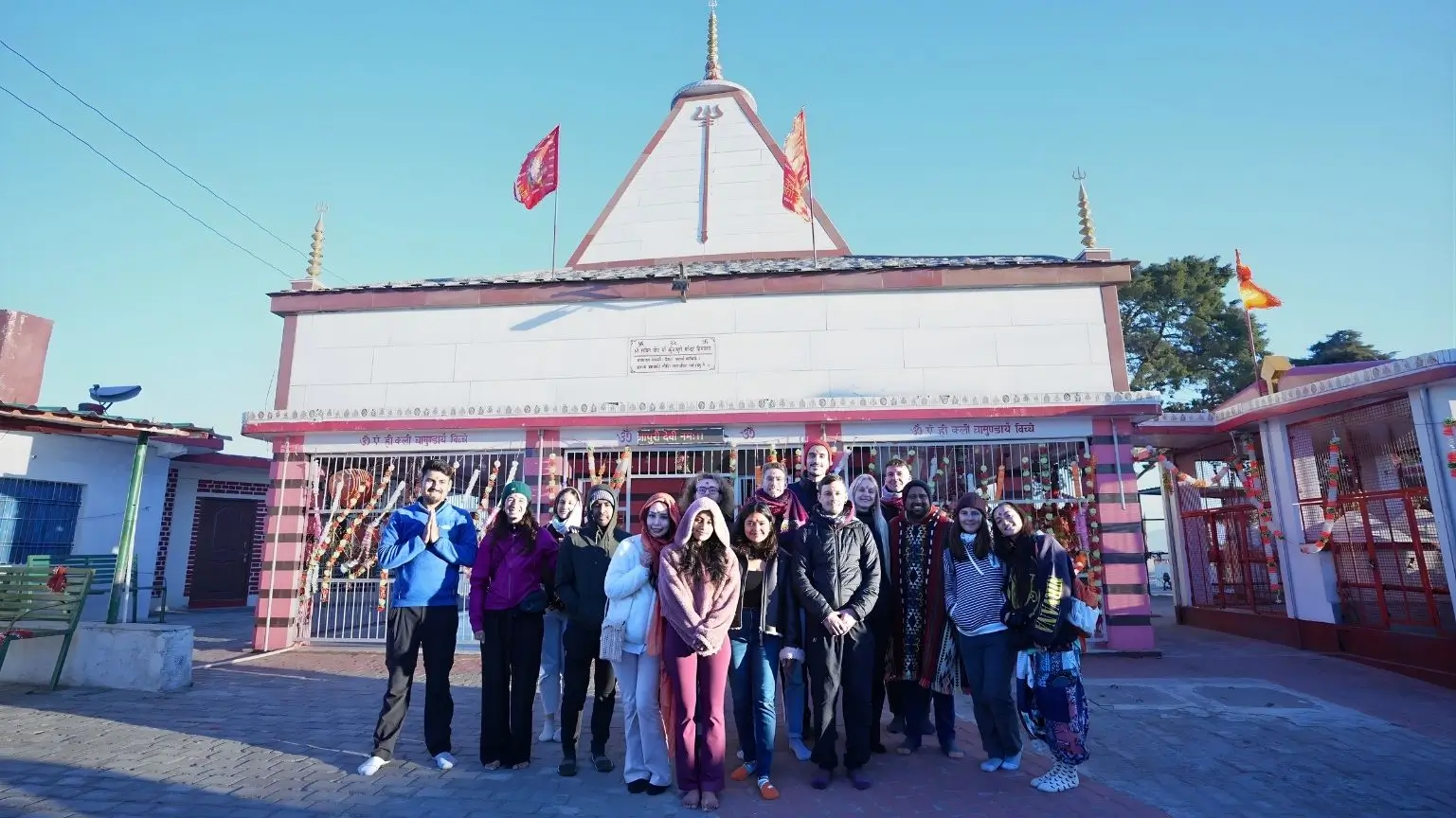
Kunjapuri Shakti Peeth is a sacred Hindu shrine dedicated to Goddess Durga, believed to be a place where parts of Goddess Sati’s body fell.
It is one of the thirteen major Shakti Peeths in the Shivalik Himalayan range and forms a holy triangle with:
Surkanda Devi Temple
Chandrabadani Temple
Together, they represent an important spiritual circuit in Garhwal.
In simple terms:
Kunjapuri temple is considered a place where divine feminine energy is extremely strong, making it ideal for prayer, meditation, and spiritual healing.
Location and Altitude of Kunjapuri Temple
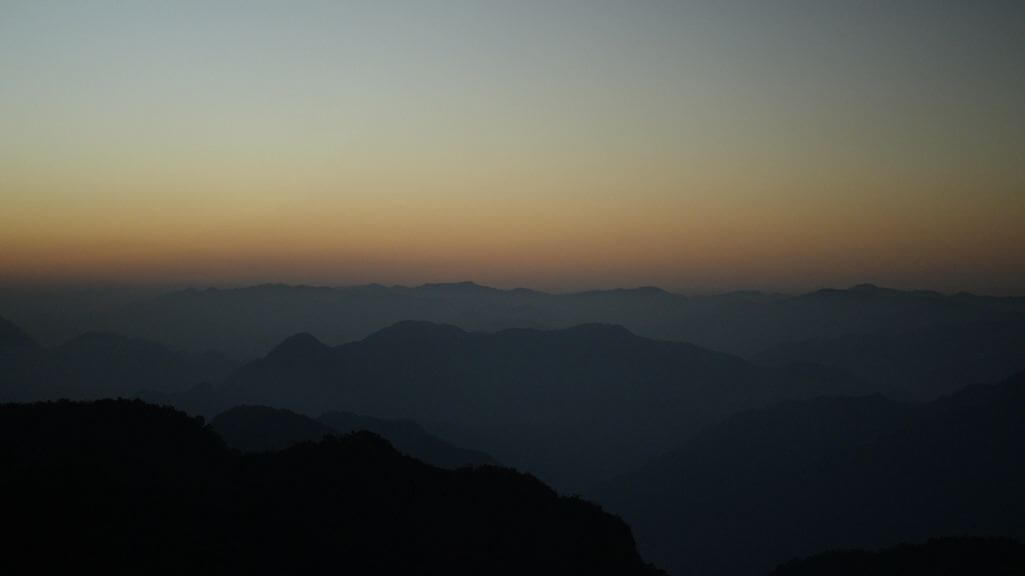
📍 Where Is Kunjapuri Temple Located?
District: Tehri Garhwal, Uttarakhand
Nearest City: Rishikesh (15 km)
Nearest Town: Narendra Nagar (7 km)
⛰️ Kunjapuri Temple Altitude
Height: Approx. 1,676 meters (5,500 feet)
Because of this height, visitors enjoy cool weather and panoramic Himalayan views.
Kunjapuri Temple History and Mythology

The Legend of Goddess Sati
According to Hindu mythology:
Goddess Sati, wife of Lord Shiva and daughter of King Daksha, sacrificed herself in a sacred fire after her father insulted Lord Shiva.
Overcome by grief, Lord Shiva carried her body across the Himalayas while performing Tandava, the cosmic dance of destruction.
To restore balance, Lord Vishnu used his Sudarshan Chakra to divide Sati’s body. Wherever her parts fell, Shakti Peeths were formed.

Kunjapuri temple is believed to be one of those sacred locations.
Check out our Yoga Retreat with local excurion in Rishikesh
Establishment by Adi Shankaracharya
Kunjapuri Temple was established and systematized by Jagadguru Adi Shankaracharya, who revived Hindu spiritual centers across India.
He recognized this site as a powerful center of Shakti (divine energy).
Religious Significance of Kunjapuri Devi Temple
Kunjapuri Devi Temple is worshipped as a manifestation of:
Goddess Durga
Goddess Parvati
Divine Mother Shakti
Devotees believe that prayers offered here help with:
Emotional healing
Family harmony
Career obstacles
Spiritual progress
Inner strength
Many pilgrims report deep peace and clarity after visiting.
Panoramic Views from Kunjapuri Temple
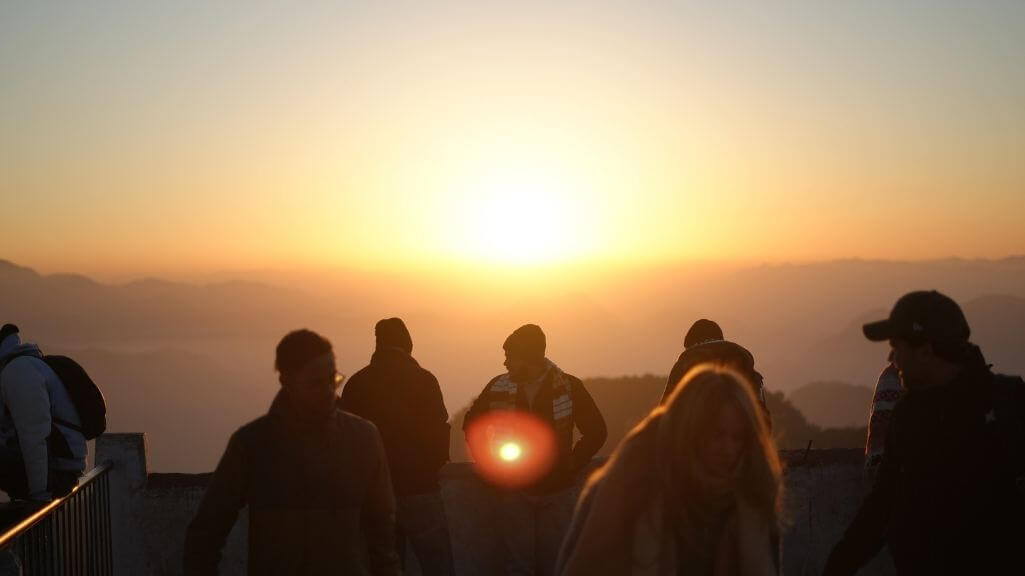
One of Kunjapuri’s biggest attractions is its unmatched Himalayan scenery.
Visible Peaks Include:
Swargarohini
Gangotri Range
Chaukhamba
Banderpunch
Valleys Visible:
Rishikesh
Haridwar
Doon Valley
Bhagirathi Valley
This makes Kunjapuri one of the best viewpoints near Rishikesh.
Kunjapuri Sunrise and Sunset Experience
Sunrise at Kunjapuri
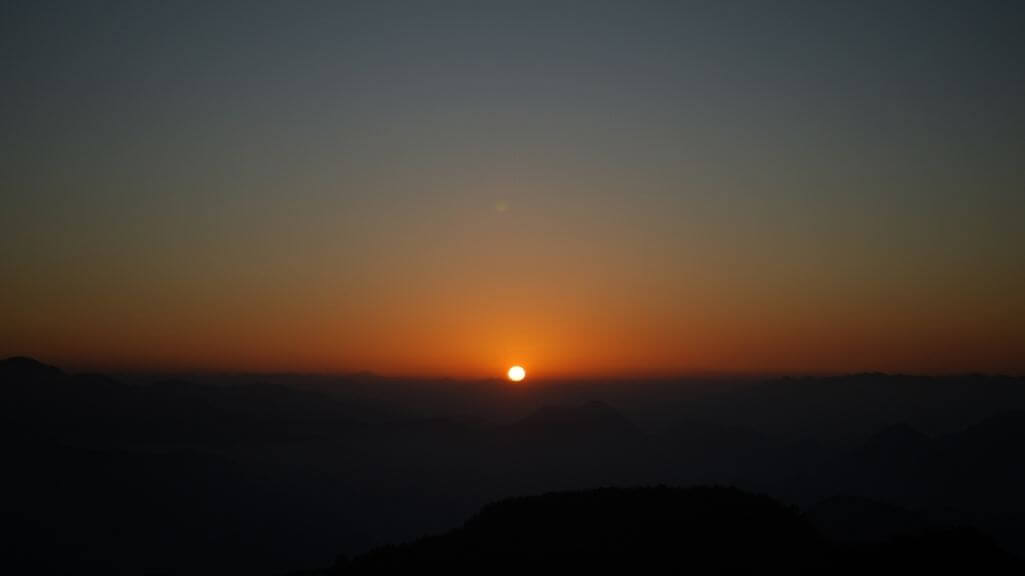
Kunjapuri is famous for its sunrise.
At dawn, the Himalayan peaks glow golden and orange, creating a spiritual atmosphere.
Many visitors start early morning drives or treks to witness this.
Sunset Views
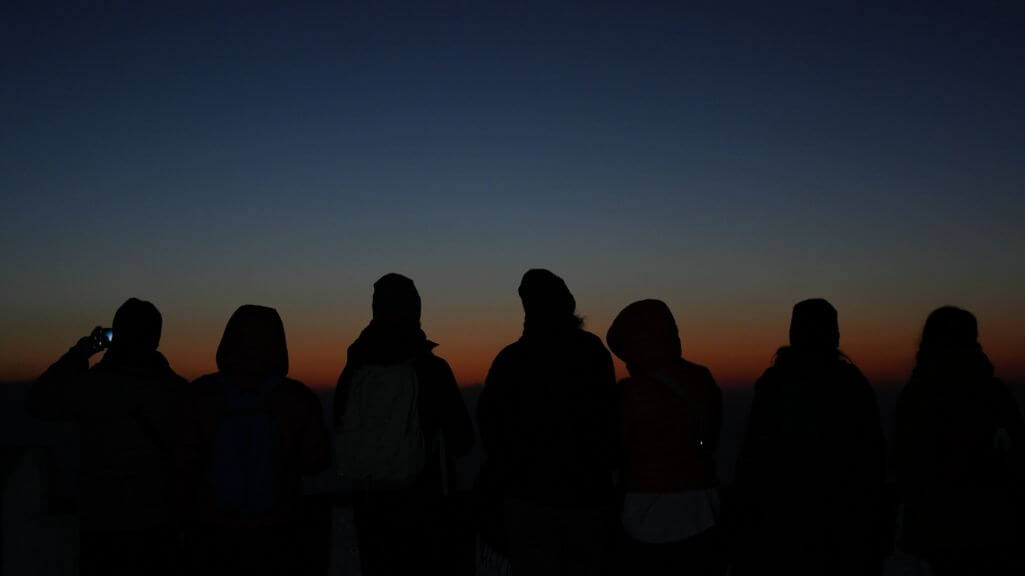
Evenings offer peaceful sunset views with temple aarti, creating a deeply devotional experience.
Kunjapuri Temple Timings and Darshan
Temple Opening Hours
Morning: 6:00 AM
Evening: Usually till sunset
Aarti: Morning and Evening
Timings may vary during festivals and winters.
Best Time to Visit Kunjapuri Temple

🌸 Summer (March–June) – Best Overall
Pleasant weather
Clear views
Ideal for trekking
🌧️ Monsoon (July–September) – Caution
Lush greenery
Slippery roads
Limited visibility
❄️ Winter (October–February)
Cold weather
Occasional snowfall
Fewer crowds
🌺 Navratri Season (March/April & Sept/Oct)
Most auspicious time
Special rituals
Large gatherings
How to Reach Kunjapuri Shakti Peeth Temple?
✈️ By Air
Nearest Airport: Jolly Grant Airport, Dehradun
Distance: ~43 km
Taxis available from the airport.
🚆 By Train
Nearest Railway Station: Rishikesh
Distance: ~27 km
Connected to Haridwar and major cities.
🚗 By Road
Well-connected by road from:
Rishikesh
Haridwar
Dehradun
Delhi
Taxis, buses, and bikes are available.
Rishikesh to Kunjapuri Temple Route
Distance: ~15 km
Travel Time: 40–50 minutes
Popular Routes:
Rishikesh → Narendra Nagar → Kunjapuri
Via Hindola Khal (for trekkers)
Road conditions are mostly good, but caution is advised in monsoon.
Kunjapuri Temple Trekking Guide
🥾 Trek Route
Start Point: Hindola Khal
Distance: ~5 km
Difficulty: Easy to Moderate
Duration: 1.5–2 hours
Trek Highlights
Dense forests
Birdwatching
Mountain air
Peaceful surroundings
Perfect for beginners and spiritual trekkers.
Yoga, Meditation, and Spiritual Retreats at Kunjapuri Temple

Kunjapuri is close to major yoga centers in Rishikesh.
Many seekers combine temple visits with:
Meditation sessions
Pranayama practice
Silent retreats
This connects closely with Himalayan spiritual traditions (explained in detail separately).
Immerse into yogic culture of Rishikesh.
Yoga Retreats in Rishikesh for all age group
Things to Do at Kunjapuri Temple
1. Attend Morning Aarti
2. Watch Sunrise
3. Photography
4. Nature Walks
5. Meditation
6. Temple Trek
7. Festival Participation
Nearby Places to Visit from Kunjapuri
Surkanda Devi Temple
Another major Shakti Peeth.
Chandrabadani Temple
Part of the sacred triangle.
Narendra Nagar
Royal town with scenic views.
New Tehri
Lake and dam views.
Chamba
Hill town with river scenery.
Tehri Dam
India’s highest dam.
Nag Tibba
Popular trekking destination.
Practical Travel Tips for Visitors

Carry warm clothes
Wear comfortable shoes
Start early for sunrise
Carry water
Respect temple customs
Avoid plastic waste
Check weather updates
Spiritual Importance of Kunjapuri in Modern Life
In today’s stressful world, Kunjapuri offers:
Mental peace
Emotional balance
Digital detox
Spiritual clarity
Many visitors use this journey for self-reflection and inner healing.